

Wine that goes with Chinese food means a wine with bubbles or acidity that can handle the oil, the chili heat and the sweet-savory seasoning of the dishes. The short answer: a well-chilled sparkling like Prosecco is the all-rounder. From gyoza to mapo tofu to Peking duck, it pairs across a surprisingly wide table.
Hello, I am Federico, pouring Italian wine in Tokyo. People often say Chinese food calls for beer or Shaoxing, not wine. That is a missed opportunity. Today I will explain how Chinese food and wine fit together, dish by dish.
A common misconception: does wine even work with Chinese food?
Chinese food is called tricky because of the abundant oil, the heat of chili, and the sweet-savory seasoning. But those three things are exactly where wines with bubbles, acidity and a touch of sweetness fill the gaps. Force a heavy red and the tannins clash, but once you have the principles, Chinese food is a treasure trove for wine.
The basics of pairing with Chinese food
| Type of dish | Recommended wine |
|---|---|
| Fried and dim sum (gyoza, spring rolls, chili shrimp) | Well-chilled sparkling (Prosecco) |
| Spicy dishes (mapo tofu, Sichuan food) | An off-dry, sweeter white (Moscato) |
| Light stir-fries and steamed dishes (pepper-beef, steamed chicken) | A crisp dry white (Pinot Grigio) |
| Rich sweet-savory dishes (sweet-and-sour pork, Peking duck, char siu) | A fruity light to medium red (Primitivo) |
Why bubbles work with Chinese food
Here is a note from Venice. In the Veneto there is a custom called sgroppino: lemon sorbet whipped with Prosecco (and vodka), served as a palate refresher. Sgroppino in the Venetian dialect means to untie the knot, as in untying your stomach. After a rich meal, the bubbles and acidity rinse the mouth clean.
That very action, bubbles and acidity cutting through fat, is why sparkling wine works so well with oil-rich Chinese food. A bite of fried gyoza or a spring roll, then a sip of well-chilled Prosecco. Your mouth resets and the next bite is just as good. It is little known in Japan, but it is everyday wisdom where the wine comes from.
Enjoying it in Japan (by dish)
Let us look at the Chinese dishes familiar at Japanese tables.
With gyoza, well-chilled Prosecco. The bubbles cleanly cut the savory char and the fat, and they meet the vinegar-soy dip beautifully. With mapo tofu and other spicy dishes, a sweet Moscato. A touch of sweetness softens the chili, and a sweat-inducing heat turns gentle. For lighter things like pepper-beef or steamed chicken, a crisp dry Pinot Grigio. For rich sweet-savory dishes like sweet-and-sour pork, Peking duck and char siu, a fruity light to medium red such as Primitivo sits beautifully alongside.
One tip for home: chill the whites and the sparkling well (6 to 8C). The cold refreshes the oil and gives the flavors definition. Even a red, with Chinese food, is best slightly chilled (14 to 16C).
Federico's picks
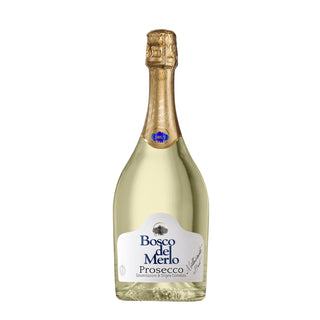
If you pick just one, the bottle I often pour is Prosecco Millesimato Brut. It is the most reliable all-rounder, handling both the oil and the heat of Chinese food. Chill it well and it carries the table from the first dish to the last.
For spicy Sichuan dishes, the sweet Doppio Passo Moscato; for light stir-fries, Pinot Grigio; for rich sweet-savory dishes, the fruit-filled Doppio Passo Primitivo. With these four, you can cover most of Chinese cooking.
The real secret pairing: aromatic whites
Sparkling and crisp whites are the easy answers, but the pairing I find myself most excited to talk about is aromatic white wine. Traminer (Gewürztraminer), Sauvignon Blanc, Zibibbo (Muscat of Alexandria, the grape behind Moscato di Pantelleria). These three are quietly brilliant with Chinese food.
The reason is that aroma meets aroma. Traminer's lychee, rose, and spice notes resonate directly with the complex spice of Chinese cooking: star anise, five spice, ginger. Alsatian Gewürztraminer with Peking duck is in fact a classic pairing well known in fine-dining circles. Sauvignon Blanc's herbal edge and citrus acidity lift delicate steamed dishes and dim sum, and cut through lighter stir-fries. Zibibbo, with its floral and stone-fruit perfume, follows sweet-savory sauces naturally, picking up the dish's sweetness while keeping the palate fresh.
What these wines share is a sense of resonance rather than contrast: the wine's aromatics mirror the dish's complexity instead of just standing alongside it. It is a different experience from beer or Shaoxing wine, and distinctly wine's own territory. Once you try it, you will find yourself reaching for an aromatic white every time there is Chinese food on the table.
How to choose
When in doubt, match the dish's strongest element. Strong oil calls for bubbles, heat calls for an off-dry white, light dishes call for a dry white, rich sweet-savory calls for a light red. To carry a full course, start with Prosecco and move to a white or red as the dishes change. See also our guide to the aperitivo (the pre-dinner drink).
Frequently asked questions
Q. Does red wine really not work with Chinese food?
A. A heavy, tannic red clashes with the oil and heat, but a fruity light to medium red (like Primitivo), slightly chilled, pairs well with sweet-savory dishes such as sweet-and-sour pork or Peking duck.
Q. What wine for spicy Sichuan food?
A. An off-dry, sweeter white is the pick. A touch of sweetness softens the chili heat. A chilled Moscato is a great match.
Q. Is beer still the default for gyoza?
A. Beer is good, but do try a well-chilled Prosecco too. The bubbles cut the fat and meet the vinegar-soy dip neatly.
Q. How do I run wine across a full course?
A. Starting with Prosecco is the all-rounder. As the food gets richer move to a white, and for sweet-savory meat dishes a light red. If you want one bottle for everything, Prosecco carries it to the end.
Please give Chinese food and wine an easy try. It makes the familiar table feel a little new.


Comments (0)
There are no comments for this article. Be the first one to leave a message!