

Gewürztraminer is one of the world's most distinctive white wine grape varieties, famous for its bold aromas of rose, lychee, and ginger. In Italy it is known as Traminer Aromatico, and its intensely aromatic character leaves an impression on both beginners and seasoned wine lovers alike.
The Biggest Misconception: "Aromatic = Sweet" Is Wrong
The most common assumption about Gewürztraminer is that because it smells sweet — all that lychee and mango — it must be a sweet wine. In reality, most Gewürztraminer produced worldwide is dry. Alsace Gewürztraminer, the most famous style, is almost always dry. Take a sip and you will find a spicy, dry finish that is far drier than the nose suggests. That gap between a sweet aroma and a dry palate is one of the grape's greatest charms.
Flavour Profile
| Attribute | Typical Range |
|---|---|
| Body | Medium to full-bodied |
| Acidity | Low to medium |
| Alcohol | 13–15% (on the higher side) |
| Key Aromas | Rose, lychee, ginger, grapefruit peel, spice |
| Serving Temperature | 8–10°C |
Styles by Region
| Region | Style |
|---|---|
| Alsace, France | The most famous producer. Powerful and dry, with late-harvest sweet styles too |
| Alto Adige, Italy | Higher acidity and refined aromatics. Elegant and light |
| Veneto, Italy | Approachable fruit. Balanced, food-friendly style |
| Germany / Austria | Higher acidity. Ranges from dry to sweet |
There is a fascinating story behind the name. In the Alto Adige region of Italy lies a small village called Tramin (Italian: Termeno sulla Strada del Vino), and the "Traminer" in Gewürztraminer is widely believed to derive from its name. Every year the village hosts the GewurzTRAMINer Wineday festival, where locals set tables in the village square and enjoy Traminer alongside Speck, the iconic smoked cured ham of South Tyrol. In South Tyrol, the "Marende" — a traditional afternoon snack break — pairs Speck with dark bread and local wine, a daily ritual inherited from farming culture that lives on to this day. It is a combination I encourage you to try in Tokyo too.
How to Enjoy It in Japan
One reason Gewürztraminer deserves far more attention in Japan is its remarkable affinity with Asian cuisine. Thai sweet-chilli sauces, Indian curry spice, biryani saffron and ginger, Vietnamese pho — pairings that defeat most white wines, Gewürztraminer handles beautifully. Its aromatic volume simply matches the spice.
For Japanese food, it partners well with saikyo-yaki (white fish or chicken marinated in sweet miso) and miso-glazed dishes. As an aperitif chilled to 8°C, it is one of my most-poured whites at Tokyo dinner parties. Let it sit 10–15 minutes out of the fridge before pouring — the aroma opens up dramatically.
Federico's Recommendation
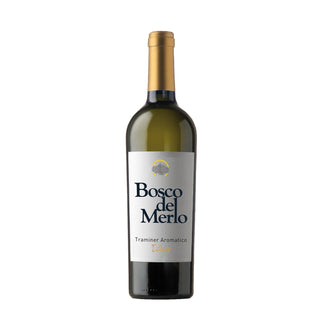
The Traminer Aromatico we carry at Swirl is Bosco del Merlo's Traminer Aromatico Ibisco from Veneto. Named after the rosehip flower, it delivers bold aromas of rose, mango, and jasmine with a crisp, clean finish. I reach for it at Thai food dinners and as a summer aperitif. The perfect entry point into Gewürztraminer.
How to Choose, Serve, and Compare
When choosing Gewürztraminer, check the label for "Dry," "Trocken," or "Sec" to confirm a dry style. Serve at 8–10°C and pair with spiced or aromatic food for best results.
Compared to similar varieties: Muscat/Moscato is lighter with more upfront fruit. Viognier is richer and oilier. Riesling is sharper with higher acidity. Gewürztraminer is the most spiced and distinctive of them all — perfect for drinkers who want something that smells like nothing else in the wine world.
Related articles: What is Riesling? / What is Muscat / Moscato?
Frequently Asked Questions
Q. What is the difference between Gewürztraminer and Traminer?
A. They are the same grape. "Gewürz" means "spice" in German. In Italy it is called Traminer Aromatico — different name, same grape.
Q. What is the ideal serving temperature?
A. 8–10°C. Over-chilling closes the aroma, so pull it from the fridge and let it sit for 10 minutes before pouring.
Q. Is it sweet or dry?
A. Mostly dry. Alsace styles are almost always dry; German styles include both dry and sweet. Check the label or ask your wine shop.
Q. Does it pair with Japanese food?
A. Yes — particularly with saikyo-yaki and sweet miso dishes. Delicate washoku can sometimes be overwhelmed by its bold aroma, but as an aperitif it is excellent. Its pairing with South and Southeast Asian cuisines is extraordinary.
Q. What is the most common mistake?
A. Avoiding it because "the aroma seems too strong for food." In fact its bold character wraps around spiced dishes beautifully. The other common error is serving it too warm — always serve chilled.


Comments (0)
There are no comments for this article. Be the first one to leave a message!