

How you open a wine bottle depends on the type of closure. Cork calls for a sommelier knife, a screw cap twists off by hand, and sparkling wine is opened by rotating the bottle and easing the cork out safely. This guide covers every closure type, from cork and screw cap to sparkling and wax seal, with clear step-by-step instructions. You will also learn how to handle a broken cork, spot cork taint, and choose the right tools for the job. Whether you are opening your first bottle or want to master a polished restaurant-worthy technique, start here.
Know Your Wine Closures
Wine bottles use five main types of closure, each requiring a different approach and different tools. Familiarise yourself with the characteristics of each before you reach for a bottle.
| Closure | Characteristics | Tools Needed | Typical Wine Types |
|---|---|---|---|
| Natural cork | Traditional closure. Allows micro-oxidation that aids ageing | Sommelier knife / corkscrew | Red wines in general, aged whites |
| Technical cork | Natural cork treated with CO₂ to reduce TCA contamination risk | Sommelier knife / corkscrew | Mid-range reds and whites |
| Screw cap | No tools needed. Preserves fresh fruit character | None | Whites, rosés, lighter reds |
| Sparkling cork | Mushroom-shaped cork expanded by carbonation pressure, secured with a wire cage | None (opened by hand) | Sparkling wines |
| Wax seal | Wax (sealing wax) applied over the cork as a traditional seal | Sommelier knife | Limited editions, long-aged wines |
In Barolo, Piedmont, the Museo dei Cavatappi (Corkscrew Museum) displays more than 500 corkscrews spanning from the 17th century to the present day, a collection that reveals how deeply wine opening is woven into culture. Interestingly, the first corkscrew is believed to have evolved from a gun-barrel cleaning tool in late-17th-century England.
Regardless of the closure, always bring the wine to the right serving temperature before you open it. A bottle that is too warm lets gas expand more readily (especially in sparkling wines), while over-chilling makes the cork stiff. A small step before opening goes a long way toward a safe, smooth experience.
How to Open a Cork-Sealed Bottle (Sommelier Knife)
For cork-sealed bottles, a sommelier knife (also called a waiter's friend) is the best tool. It is compact, portable, and with practice you can open a bottle in about ten seconds. This is the tool sommeliers around the world rely on. When buying one, choose a double-hinged model (two-step lever). It lets you pull even a long cork in two smooth stages without getting stuck. A single-hinged knife often runs out of leverage on a long cork, so go double-hinged from the start.
Steps:
- Cut the foil: Place the knife blade against the ring just below the bottle lip and score all the way around. Make a second cut across the top, then peel off the foil cap. Always cut below the lip; cutting from above can let wine touch the foil edge as you pour, transferring a metallic taste.
- Insert the worm: Set the tip of the worm at the centre of the cork and twist it in clockwise, slowly. Stop when roughly one spiral remains visible. Going too deep can punch through the bottom of the cork and drop fragments into the wine.
- Lever up (first notch): Hook the first notch of the double-hinged lever onto the bottle lip and lift the handle slowly. The cork will rise about halfway.
- Lever up (second notch): Switch to the second notch and continue lifting. Finish by easing the cork out gently by hand. The ideal sound is a soft "whoosh," not a loud pop.
Sommelier's Tip
As you ease the cork out at the very end, tilt the bottle slightly so air does not rush in and wine does not splash. Make a habit of checking the bottom of the cork after pulling it. An evenly stained surface where the wine was in contact means the bottle was stored correctly. Mould or off-odours may point to cork taint (TCA contamination).
Common Beginner Mistakes
The most common mistake is inserting the worm off-centre. Always aim for the middle. The next most frequent error is driving the worm all the way through the cork, so stop when you can still see the last spiral. Tearing the foil off by hand instead of cutting it not only looks untidy but also risks introducing small glass shards. Always use the knife blade for a clean cut.
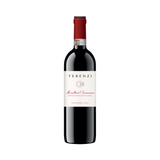
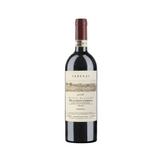
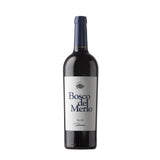
Practise your opening technique with cork-sealed Italian wines from SWIRL:
How to Open a Screw-Cap Bottle
A screw cap is the easiest closure of all: no tools, just your hands. Some people assume screw caps signal a cheap wine, but that is a major misconception. Premium wineries in New Zealand and Australia use screw caps widely, and the practice is spreading among Italian and French producers too. A screw cap blocks oxygen completely, keeping fresh fruit aromas and flavours intact.
Steps:
- Locate the perforation: Find the perforated ring near the bottom of the cap.
- Twist the cap: Hold the bottle firmly in one hand and turn the cap counter-clockwise with the other. The perforation breaks and the cap comes off.
- Pour: You are ready to serve. To re-seal, simply twist the cap back on.
A big advantage of screw caps is effortless re-sealing. You can stand the bottle upright in the refrigerator with the cap back on. For more storage tips, see our Wine Storage Guide.
Beyond convenience, screw caps deliver consistent quality. The risk of TCA contamination (cork taint) is zero, so there is no bottle-to-bottle variation. The choice of a screw cap reflects a producer's commitment to delivering the same great taste every time.
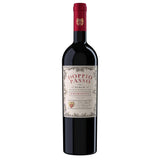
Explore SWIRL's screw-cap wines for an easy, everyday option:
How to Open Sparkling Wine
A sparkling-wine cork is under about six atmospheres of pressure (roughly three times a car tyre), giving it enough force to shoot out on its own. Follow these steps for a safe and elegant opening.
Safety First
A sparkling-wine cork can fly at up to 50 km/h. Never point the bottle at anyone's face or at a light fixture. Tilting the bottle to 45 degrees while opening spreads the liquid surface inside, letting the gas escape more gently.
Steps:
- Chill thoroughly: Bring the wine to 6-8 °C. Cooler temperatures reduce the gas pressure, making the bottle easier and safer to open. See our Wine Serving Temperature Guide for more detail.
- Remove the foil: Peel off the foil (aluminium wrapper) from the top of the bottle.
- Loosen the wire cage: Untwist the loop of the wire cage (muselet) about six and a half turns counter-clockwise. From this point on, keep your thumb pressed firmly on top of the cork. Never let go.
- Rotate the bottle: Hold the cork steady and turn the bottle by its base. The professional move is to rotate the bottle, not the cork. This small distinction makes a big difference in control.
- Ease the cork out: Aim for a gentle "psst" rather than a dramatic pop. Tilting the cork slightly at the last moment lets gas escape and prevents foam from overflowing.
Italian Prosecco, French Champagne, and other sparkling wines often take centre stage at celebrations. Opening one smoothly sets the tone for the entire occasion. For a deeper dive, see our Complete Guide to Opening Sparkling Wine.
How to Open a Wax-Sealed Bottle
Some traditional Italian and Spanish producers coat the cork with wax (sealing wax). These bottles look impressive and make popular gifts, but opening one is simpler than it appears.
Two methods:
- Drill through the wax: Push the sommelier knife's worm straight through the wax into the cork. When you lever the cork up, the wax cracks and comes away with it. This is the most practical and quickest approach.
- Remove the wax first: Score around the wax edge with the knife blade, peel off the top section, and then extract the cork as usual. The finish is neater, but wax chips may scatter.
Whichever method you use, pour a small amount into a spare glass first to check for wax fragments before serving. Beyond aesthetics, a wax seal serves a practical purpose: it prevents the cork from drying out during long ageing. Traditional Italian wineries often apply sealing wax to bottles intended for ten or more years of cellaring.
Troubleshooting Cork Problems
Trouble with corks is not unusual, especially when you are new to wine. Stay calm: most issues can be resolved without affecting the wine's quality. Here are the most common problems and how to handle them.
The cork broke in half
If the cork snaps partway, insert the worm at an angle into the remaining piece and pull gently. Going straight down can push the fragment further into the bottle, so approach at a slant.
The cork fell into the wine
A cork that drops into the wine has almost no impact on quality. Strain the wine through a tea strainer or coffee filter into a decanter (another vessel) to remove any fragments. See our Decanting Guide for more tips.
The cork is crumbling
In bottles aged 20 years or more, the cork may have dried out and become fragile. Use a two-pronged cork puller (butler's friend, also known as an Ah-So) to extract it without breaking it further. Slide the two prongs into the gap between the cork and the bottle neck, rocking them in gently, then twist and pull upward.
The cork will not budge
Warm the bottle neck under lukewarm water (about 40 °C) for 30 seconds. The glass expands slightly, loosening the cork. You can also try driving the worm one more spiral deeper for extra grip. If it still resists, rock the cork gently from side to side to reduce friction before pulling.
You suspect cork taint (TCA contamination)
If you detect a damp cardboard or musty odour the moment you pull the cork or pour the first glass, the wine may have cork taint. Drinking it is not harmful, but the wine's natural aromas and flavours will be muted. Contact the retailer: most will offer a replacement or refund. At SWIRL, the use of technical corks has reduced the risk of cork taint to near zero, but should it ever occur, please get in touch.
SWIRL's Approach to Cork Quality
Most of SWIRL's producers use technical corks: natural corks treated with low-temperature CO₂ to eliminate bacteria and mould. As a result, fewer than 0.02% of bottles sold through our shop in a year are returned for cork defects. You can pull the cork with confidence.
Technical corks allow the same micro-oxidation as natural cork, supporting gentle ageing while drastically reducing the risk of TCA contamination (cork taint). Cork selection is one of the areas where SWIRL and its Italian producers are most meticulous about quality control.
For the casual line, SWIRL actively uses screw caps. When a wine is designed to showcase fresh fruit character, a screw cap that blocks oxygen completely is the optimal choice. The type of closure does not indicate quality; it reflects the best match for the wine's style.
How you enjoy wine after opening also varies by closure. A cork-sealed red may benefit from 30 minutes of breathing after opening, letting air coax out its aromas. Full-bodied reds and young vintages especially gain from proper decanting. Screw-cap wines, on the other hand, are at their freshest the moment you pour. Glass choice can also make a big difference: for more on that, see our Guide to Choosing Rosé Wine.
Useful Wine-Opening Tools
There are many tools for opening wine. Choose one based on your experience level and what you need it for.
| Tool | Price Range | Difficulty | Why It Works |
|---|---|---|---|
| Sommelier knife (double-hinged) | ¥1,000-¥5,000 | Intermediate | The most versatile option, favoured by professionals. Highly portable |
| Wing corkscrew | ¥500-¥2,000 | Beginner | Just push the wings down. Great for those with less grip strength |
| Lever-style (Screwpull) | ¥3,000-¥8,000 | Beginner | Lever up and down, done. Very low chance of failure |
| Two-pronged cork puller (Ah-So) | ¥1,500-¥4,000 | Advanced | A lifesaver for old or fragile corks |
| Electric corkscrew | ¥2,000-¥6,000 | Beginner | One button, fully automatic. A popular gift item |
| Wine stopper (vacuum pump) | ¥1,000-¥3,000 | - | Slows oxidation of leftover wine. Essential after opening |
If you are opening wine for the first time, start with a wing corkscrew or a Screwpull. They are forgiving and require little effort. Once you feel comfortable, graduate to a sommelier knife. Elegant opening technique makes the wine moment even more special. You can find these tools at department-store wine sections, kitchenware shops, or online. Since you will use one for years, check the grip and weight in person before you buy.
Start with an easy screw-cap wine:
SWIRL Wines by Closure Type
Once you are comfortable opening bottles, choosing wines by closure type is an enjoyable way to explore. Cork-sealed wines let you savour the ritual of uncorking, while screw-cap wines are effortlessly casual. Pick the right one for the moment.
Weeknight dinner (screw cap): A screw-cap wine needs no tools and pours in seconds, perfect for a glass after work. Re-seal the cap and enjoy the rest the next day.
Weekend dinner (cork): Elevate the occasion with a cork-sealed wine and enjoy the ceremony of uncorking. The graceful act of tilting the glass as you pour adds a touch of elegance to the table.
Celebrations (sparkling): Nothing says "cheers" like sparkling wine. Master the opening technique and you become the star of the party. Opening confidently in front of guests gives you a quiet assurance as a host. Just remember to chill the bottle well before the moment arrives.
Pick up a bottle that catches your eye, and give it a try. After a few openings, the knack comes naturally. Opening wine is all about practice. Do not be afraid of mistakes: enjoy the process and keep at it.
Frequently Asked Questions
Q1. Are screw-cap wines lower quality?
No. A screw cap is not a quality indicator; it is a closure choice matched to the wine's style. Producers of New Zealand Sauvignon Blanc and fresh Italian whites increasingly choose screw caps specifically to preserve fruit aromas. In Australia, over 90% of premium wines use screw caps, and there is no correlation between closure type and quality. In fact, screw caps deliver more consistent quality by eliminating bottle-to-bottle variation.
Q2. Why do people smell the cork?
When a sommelier checks the cork at a restaurant, they are looking for signs of cork taint (TCA contamination), which smells like damp cardboard or mould. If there is no off-odour, the wine is fine. However, the cork alone cannot tell you everything about the wine's condition, so the best practice is to pour a small amount into a glass and check the aroma and taste. The incidence of cork taint is estimated at 1-3% for natural corks, but with SWIRL's technical corks the risk is reduced to near zero.
Q3. How long does wine last after opening?
A cork-sealed wine is best consumed within 2-3 days of opening. A screw-cap wine can be re-sealed and refrigerated: whites last 3-5 days, reds 2-4 days. Sparkling wine loses its fizz quickly, so finish it on the same day. In every case, store an opened bottle upright in the refrigerator. Laying it on its side increases the surface area exposed to air and speeds up oxidation. For creative ideas on using leftover wine, check our Leftover Wine Guide.
Q4. Can I open a cork without a sommelier knife?
In a pinch, a few methods work. The most reliable is to drive a long screw into the cork and lever it out with the back of a fork or a pair of pliers. Another trick is to place the bottle inside a shoe and tap the sole against a wall (the repeated impact nudges the cork upward), though this risks foaming and warming the wine. If you enjoy wine regularly, keeping a ¥1,000 sommelier knife on hand is the simplest insurance. A small one is also handy on trips and outdoor outings.
Q5. Can I re-cork a bottle with the pulled cork?
When re-corking, insert the cork with the wine-stained end facing down. Note that a pulled cork has expanded, so it will not fit all the way back in. For a tighter seal, use a wine stopper or a vacuum pump. A vacuum pump costs as little as ¥1,000 and slows oxidation, letting you enjoy the wine for an extra 2-3 days.
References: Museo dei Cavatappi (Barolo Corkscrew Museum), Wine Folly "How to Open a Wine Bottle", The Oxford Companion to Wine


Comments (0)
There are no comments for this article. Be the first one to leave a message!