

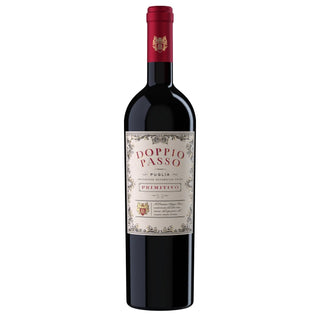
Wine labels follow different conventions in the "Old World" and the "New World." Old World countries like France and Italy lead with the place of origin, while New World countries like the USA and Australia tend to print the grape variety prominently.
Old World vs New World labelling
| Item | Old World (e.g. France) | New World (e.g. Australia) |
|---|---|---|
| Main label info | Region (Bordeaux etc.) | Grape variety (Shiraz etc.) |
| Emphasis | "Where" it's made | "Which grape" it's from |
| Beginner-friendliness | Needs regional knowledge | Easy — choose by grape |
What's usually on a label
Most labels show the producer, vintage (harvest year), region/appellation and alcohol content. New World wines also name the grape, which makes them easier for beginners to choose.
A Japan-specific tip: the back label
Wines sold in Japan always carry the importer's name on the back label. It tells you who chose the wine and how it was brought in — actually very useful information. More importers, Swirl included, now add a QR code to the back label, so you can pull up detailed information about a wine on your phone the moment you meet it in a shop or restaurant. Get into the habit of checking the back label first.
Choosing by region
To learn each region's character, see our wine region guides; to choose by grape, browse the full wine list.
FAQ
Q. Does "Reserve" mean premium?
A. It varies by country. Spain and Italy have ageing requirements for it; elsewhere there may be no strict rules.
Q. What about wines with no vintage?
A. These are "non-vintage," blended from several years and common in sparkling — a way to keep quality consistent.

Comments (0)
There are no comments for this article. Be the first one to leave a message!