

A vintage refers to the year in which the grapes used to make a wine were harvested. Because weather varies from year to year, the quality and character of the grapes differs annually — even from the same producer and the same label. This is why "great vintages" exist.
Why Does Vintage Matter?
Grapes are an agricultural product: rainfall, temperature, and the season's overall climate all affect how well the fruit ripens and how much sugar it accumulates. In regions with significant year-to-year weather variation — France, Italy, Germany — vintage has an outsized impact on quality. In warmer, more stable climates (Australia, Chile, and other New World regions), the difference between years is comparatively small.
Vintage Importance Varies by Region and Style
Not every wine calls for vintage scrutiny. How much it matters depends on where and how the wine is made.
| Wine Type | Vintage Importance | Why |
|---|---|---|
| Premium reds (Bordeaux, Burgundy) | High | Significant year-to-year variation; vintage shapes aging potential |
| Italian everyday reds (Primitivo, Morellino, etc.) | Moderate | Consistent winemaking minimises swings, but the latest vintage is always the freshest |
| New World (Chile, Australia, etc.) | Low | Warm, stable climate keeps year-to-year differences small |
| Sparkling wine (NV) | No need to worry | Blending across years is the point — consistency is built in |
How to Choose by Vintage
| Situation | Approach |
|---|---|
| Everyday drinking | Don't overthink it. Grab the latest vintage for freshness. |
| Age-worthy premium wine | Seek out a great year. Check producer notes or a vintage chart. |
| A celebratory bottle | A birth year or anniversary vintage adds real meaning. |
Vintage in Sparkling Wine: What is Millesimato?
Most Prosecco and Champagne is made as non-vintage (NV), blending grapes from multiple years to maintain a consistent house style. But in exceptional years, producers release a Millesimato — a single-vintage bottling.
Under the Conegliano Valdobbiadene DOCG rules, a Millesimato must use at least 85% grapes from one harvest year. The result has a richness and complexity that the standard NV cannot match. The first time I, Federico, tasted a Millesimato in the Veneto was at a harvest dinner in late autumn. The fineness of the bubbles and the ripe apricot fragrance of that year's Glera — I have never forgotten it. Knowing that sparkling wine has its own vintage story opens up a whole new layer of wonder.
Read more in What is Prosecco Millesimato?
A Bottle to Feel the Vintage
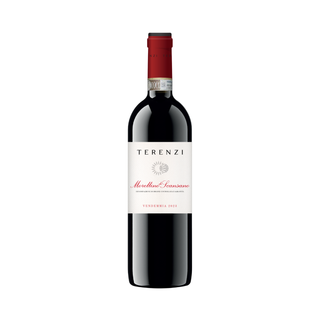
For an immediate sense of what vintage means in practice, a single-year Italian red is the clearest lesson. Sangiovese-based Tuscan wines wear the harvest number on the label like a signature. Perfect for anniversaries or whenever you want to drink "a specific year."

Curious about reading labels? See How to Read a Wine Label. To go deeper on vintage selection, The Complete Vintage Guide is the next stop.
FAQ
Q. Is an older vintage always better?
A. Not necessarily. Age-worthy wines gain in value as they mature, but most wines are made to be enjoyed young. Older does not automatically mean better.
Q. Where can I find the vintage?
A. It's printed on the label. See How to Read a Wine Label for a full guide.
Q. What does NV (non-vintage) mean?
A. It means the wine is blended from grapes harvested in more than one year. Common for base-cuvee Champagne and Prosecco, where a consistent house style year after year is the goal. If there is no year on the label, it's NV.
Q. How do I find a great vintage?
A. Wine publications and producer websites publish vintage charts. For everyday wines, don't worry too much — the latest vintage is usually your best bet.
Q. Is a vintage wine the same as an aged wine?
A. No. Vintage simply means the harvest year. An aged wine is one that has been cellared for years and developed complexity over time. Young vintages can be excellent too.

Comments (0)
There are no comments for this article. Be the first one to leave a message!