

The problem with learning wine by label and brand is that it never ends — there are always more producers, more vintages, more regions to memorise. But in practice, almost every drinking occasion can be covered by three variables: colour, region, and food. On this page I'll share the approach I've used for over a decade as a sommelier — simple enough to apply tonight.
Stop choosing by brand — it gets easier immediately
The most common mistake in wine selection is reaching for a recognisable label. The problem: wine flavour changes every vintage and every producer. The same label from a different year can taste like a different wine entirely.
Region is the reliable anchor. Every region has a climate, and climate produces a consistent style. Burgundy reds are elegant and precise; Puglia reds are dense and structured. Know the region and you can choose confidently without reading the label.
Quick-pick table: colour by occasion
| Occasion | Colour | Region example |
|---|---|---|
| Meat dishes, hearty dinner | Red | Puglia (Primitivo), southern Rhône (Grenache) |
| Seafood, light meal | White | Soave, Vermentino |
| Toast, aperitivo, celebration | Sparkling | Prosecco (Veneto) |
| Salad, prosciutto, summer table | Rosé | Provence, Languedoc |
| Cheese, dessert | Sweet white | Sauternes, Moscato d'Asti |
When in doubt, the rule is: choose a wine slightly richer than the food, not the other way round. Heavy red with fish creates a clash; a light red (Pinot Noir) with fish works fine.
What region guarantees — the Roman carafe tradition
Rome's trattorias — neighbourhood restaurants that have been feeding the city for generations — still serve wine the same way they always have. Locals don't order by brand or vintage. They say un mezzo litro di rosso — half a litre of red — and the carafe that arrives (sometimes called a foglietta) is filled with whatever is growing nearby. No label, no year. Region and colour. That's the purest form of wine selection there is.
The same principle applies in Japan. Whether you're ordering a glass at a casual Italian restaurant or opening a bottle at home, starting with region and colour is the simplest and most reliable method.
Federico's picks
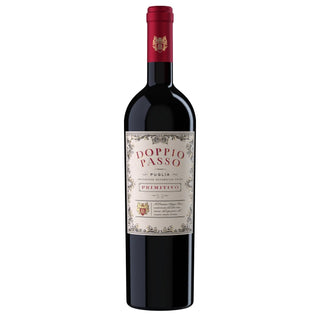
For meat dishes or robust Japanese food, Doppio Passo Primitivo (¥2,200) from Puglia, Italy is outstanding value — concentrated fruit, gentle spice, works beautifully with grilled meat, braised pork, and aubergine dishes. For a toast or aperitivo, try Prosecco Millesimato Brut (¥3,300) from Veneto.
Beginner's summary: three steps
Step 1: decide what you're eating tonight. Step 2: pick the colour from the table above. Step 3: find a bottle from that region within your budget. Grape varieties and vintages will start to make sense on their own once you're choosing this way.
Related: Wine Glass Guide / Sommelier's Italian Wine Recommendations
FAQ
- How do I tell if a wine is sweet or dry?
- The back label usually says. When it doesn't, region is your guide: German Spätlese and above, and French Sauternes, are typically sweet. Italian reds are almost always dry.
- Should red wine be served at room temperature?
- That rule comes from European cellars, where "room temperature" means 15–18°C. Japanese summer rooms often exceed 28°C, which makes reds taste heavy and flat. In summer, put even a red in the fridge for 30 minutes before opening.
- What's the difference between cheap and expensive wine?
- Mainly yield (grapes per vine) and ageing time. Inexpensive wines come from high-yield vineyards and are made to drink young. Expensive wines come from low-yield plots and are often aged longer. For everyday meals, the ¥2,000–¥3,500 range covers excellent quality.
- Is Primitivo the same as Zinfandel?
- Yes — same grape, different name. In Puglia, Italy it's Primitivo; in California it's Zinfandel. Both are rich in fruit and moderate in tannin.
- How do I choose without a sommelier around?
- Follow the shelf cards — they usually flag food pairings. If there are none, pick the mid-price bottle in your range (e.g. if the range is ¥1,500–¥4,000, aim for around ¥2,500). Low-risk regions: Puglia reds, Provence rosé.


Comments (0)
There are no comments for this article. Be the first one to leave a message!