

The key to pairing wine with duck is a red wine with medium-to-high tannins and firm acidity. Duck sits between white and dark meat — fatty yet with a delicate, lingering umami. The right wine lifts the whole experience; the wrong one fights it.
In Maremma, where I grew up, autumn means "anatra in porchetta" at every family table: a whole duck stuffed with wild fennel (selfiino), garlic, and pancetta, then slow-roasted until the fat runs clear. The natural pairing? Local Morellino di Scansano — earthy, brightly acidic, and just firm enough to cut through the richness. That principle translates directly to Japanese duck dishes.
The Common Misconception: "Duck Means Pinot Noir"
The advice to serve Pinot Noir with duck comes from a French fine-dining context — lightly seared duck breast, pink in the middle. For Japanese kamonabe (duck hot pot), duck teriyaki, or kamo nanban (duck noodle soup) — all built on a soy-mirin-sugar base — you need a wine with more structure. Pair a delicate red with heavily sauced Japanese duck and the wine disappears.
What to Look for in a Duck Wine
Three qualities matter: medium-plus tannins to cut the fat, firm acidity to reset the palate, and concentrated dark fruit to echo the meat's depth and savory character.
| Element | What to Look For |
|---|---|
| Tannins | Medium to medium-high (fat-cutting) |
| Acidity | Medium to high (palate-cleansing) |
| Fruit | Dark fruit concentration |
| Aromas | Spice, earth, forest floor nuances |
| Serving Temp | 16–18°C |
Pairing by Cooking Style
| Duck Dish | Recommended Wine | Why It Works |
|---|---|---|
| Roast duck (French-style) | Light Sangiovese, Pinot Noir | Light fat and delicate texture |
| Teriyaki / kamo nanban | Morellino di Scansano or similar mid-weight Sangiovese | Tannin mirrors the soy umami |
| Kamonabe / kamo suki | Syrah, Primitivo (full body) | Holds up to rich broth |
| Smoked duck | Barrel-aged Pinot Noir, Barbera | Smoke and wood aromas resonate |
Sangiovese — especially Morellino di Scansano DOCG from Maremma — balances acidity and fruit beautifully across virtually all duck preparations. In Maremma it is the everyday table wine, opened without ceremony, which tells you everything about its versatility.
Enjoying Duck Dishes the Japanese Way
Whether you are eating kamo nanban soba, duck rôti slices, or kamonabe, the sauce is almost always soy-based and carries natural sweetness. The key pairing variable is "handling the sweetness of the sauce." For sweet, heavily reduced sauces, Sangiovese — with its rounded tannins and bright acid — is the most reliable match.
A practical tip: kamo nanban broth is often loaded with ginger. Ginger's spicy heat and Sangiovese's own peppery, spicy aromas are a natural pair — each sip extends the finish. For hot pot, once the broth has reduced toward the end of the meal, add a small splash of red wine to deepen its body — exactly the way red wine is used in Italian risotto.
Federico's Recommendation
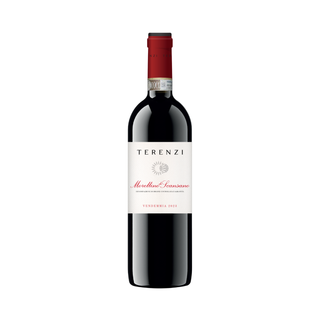
Morellino di Scansano is the wine I grew up drinking alongside "anatra in porchetta" in Maremma — and it is exactly what Swirl carries for duck nights in Tokyo. Same soil, same principle, different duck dish. Open a bottle next time you have duck on the table.
Morellino di Scansano (¥3,850)
How to Choose and Serve
Look for labels that say "medium-bodied" or "medium-full." Sangiovese-family wines (Chianti, Rosso di Montalcino, Morellino), Syrah, and Barbera are the most versatile varieties for duck. Serving temperature: 16–18°C. Pull from the fridge 30 minutes before opening so the tannins soften and the aromas open up. These same wines work beautifully with wild boar or venison. Related guides: Sangiovese Pairing Guide, Sangiovese Variety Guide.
FAQ
Q. Can white wine work with duck?
A. A full, barrel-aged Chardonnay can work with lighter French-style roast duck. For Japanese soy-based preparations, red is the safer call.
Q. Can an everyday wine pair with duck?
A. Yes — choose by variety and region rather than price. A ¥2,000–3,000 Sangiovese or Syrah handles duck just fine.
Q. Can I add wine to duck hot pot?
A. Absolutely. Once most of the broth is drunk, add a small splash of red wine to what remains — it deepens the umami. No need for anything expensive.
Q. What temperature for wine with duck?
A. 16–18°C is ideal. In winter, room temperature is fine; in summer, take the bottle out of the fridge 30–40 minutes before serving.
Next time you sit down to duck teriyaki or kamo nanban, open a Sangiovese. A grape raised under Mediterranean sun pairs with Japanese soy umami in a way that has to be tasted to be believed.


Comments (0)
There are no comments for this article. Be the first one to leave a message!