

The right wine for kabocha (pumpkin) is a white with fruit and soft acidity, or a light red, that can stand up to the vegetable's mellow, chestnut-like sweetness. The key is to choose by the seasoning rather than the pumpkin itself. The sweet-savory of a simmered dish, the richness of a gratin, the crispness of deep-fried kabocha: each calls for a different bottle. As Federico, who handles Italian wine in Tokyo, here is an easy, dish-by-dish way to choose.
Sweet vegetable does not mean sweet wine
People assume that because pumpkin is sweet, you need a sweet wine, but that is a common mistake. What you are really pairing with is the finishing seasoning, not the pumpkin alone. For nimono simmered gently sweet with dashi, sugar, and mirin, choose a white with fruit, or a lightly chilled light red. For a gratin or potage made with butter and cream, choose a rounded white with richness. Same pumpkin, different direction of flavor, different wine.
A quick reference by dish
| Kabocha dish | What to pour |
|---|---|
| Simmered (sweet-savory) | A fruit-forward white, or a lightly chilled light red |
| Gratin, potage | A rounded white with richness |
| Salad (with mayonnaise) | A crisp, well-chilled dry white |
| Deep-fried, tempura | Sparkling, or a lively white |
How the region shapes the style, and Maremma's acquacotta
White wine changes character with the climate of its home. Cool regions give crisp, lifted acidity; warm regions give roundness and richer fruit. The Vermentino I recommend here is a treasure of Maremma, the coastal stretch of central Tuscany. With a mineral hint that recalls a pleasant saltiness and clear acidity, it lifts vegetable dishes gently.
Maremma has a local dish called acquacotta, literally "cooked water." Long ago the butteri, the mounted herders who drove cattle across the land, set out with only stale bread, olive oil, and salt in a leather satchel, adding whatever vegetables they gathered along the way to the pot. Born from the wisdom of not wasting hardened bread, it later came to include an egg poached into it. This humble soup of gently simmered autumn vegetables has much in common with a pumpkin potage, a warm and comforting dish. It is still little known in Japan, yet it shows clearly how the land and its wine are connected.
Pairing with Japanese kabocha dishes
For simmered kabocha, dashi and sweetness are the deciding notes. A white like Vermentino, with fruit and moderate acidity, fits beautifully here: the acidity catches the sweetness cleanly and never turns heavy. If you want a little more richness, a lightly chilled fruit-forward red is also a good match. For kabocha salad with mayonnaise, a crisp, well-chilled dry white tightens the mayo's roundness with fresh acidity. For the creaminess of a gratin or potage, layering the richness of a rounded white adds a sense of occasion. For deep-fried kabocha and tempura, a sparkling wine rinses the oil away.
At home, chill the white well (7 to 10 degrees), and for a warm, rich dish like a gratin, let the temperature come back up a little rather than serving it too cold, so the aroma and richness open up. A tiny adjustment in temperature greatly increases the sense of harmony with the food.
Federico's picks
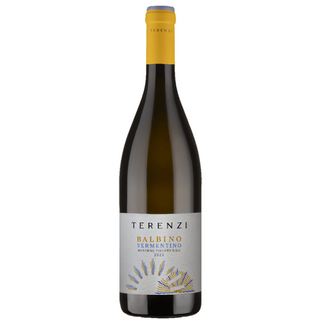
The bottle I most often pour with pumpkin dishes is Maremma's Balbino. With the fresh acidity and faint saltiness typical of Vermentino, it suits everything from simmered dishes to gratin. You can order it straight from the card below.
When you want to lean a little further into a sweet-savory simmered dish, add just a touch of the gentle Doppio Passo Moscato. For a richer roasted kabocha or a buttery dish, try the fruit-packed Doppio Passo Primitivo served lightly chilled.
How to choose, and similar wines
If you are choosing a white for pumpkin, a variety with firm acidity is easy to work with. Besides Vermentino, crisp whites like Pinot Grigio and Soave can be used the same way. When in doubt, picture whether the seasoning is sweet, creamy, or light: that alone makes the choice much easier. See also Wine with Tempura, the region background in What Is Maremma Wine, and the party-friendly Wine for Halloween.
Frequently asked questions
Q. For simmered kabocha, is red or white better?
A. Both work, but start with a fruit-forward white: it catches the sweet-savory cleanly. If you want richness, a lightly chilled light red is also a fine match.
Q. Does a sweet wine work with pumpkin's sweetness?
A. For a sweet-seasoned dish like nimono, a small pour of sweet wine can be fun. The trick is just a little, so the whole meal does not become too sweet.
Q. What is a common mistake?
A. Reaching for a heavy, tannic red. Its tannins clash with pumpkin's gentle sweetness and the pairing turns muddy. Choose a white, or a light red.
Q. If I pick only one bottle?
A. A dry white with acidity is the all-rounder. It handles simmered dishes, salad, and gratin with ease.
When kabocha appears on the autumn table, add a bottle matched to the seasoning, and make an everyday dish feel a little special.


Comments (0)
There are no comments for this article. Be the first one to leave a message!