

Rosé wine is made by extracting color from red grape skins for only a short time, creating a pink-hued wine. It combines the fruitiness of red with the freshness of white, and spans the widest style range of any wine type — from bone-dry to sweet, still to sparkling.
Rosé is not just a summer wine. It bridges the gap between white and red, making it the most versatile wine at the table — one bottle that works from appetizers to meat dishes. From pale blush to salmon pink, it's as beautiful to look at as it is to drink. In this guide, we cover how rosé is made, how to choose by style (with a handy comparison table), food pairings, and the story behind "Life in Rosé" — a project close to Swirl's heart.
How Is Rosé Wine Made?
The pink color of rosé comes from red grape skins. The two main methods are the saignée method (bleeding off a portion of juice after brief skin contact during a red wine fermentation) and the direct-press method (gently pressing red grapes to extract only the lightly colored juice). Sparkling rosés may also be made by adding a small amount of red wine to a white base. The shorter the skin contact, the paler the color and lighter the palate.
How to Choose Rosé (Style Guide)
Rosé varies enormously by color and effervescence. Use this table to match a style to your occasion.
| Style | Color & Taste | Best For |
|---|---|---|
| Pale pink, dry (still) | Light, delicate, mineral | Appetizers, Japanese cuisine, afternoon sip |
| Deeper salmon, dry | Rich fruit, fuller body | Meat dishes, spiced food |
| Sparkling rosé | Festive bubbles, celebratory | Toasts, parties, aperitivo |
| Sweet rosé | Gentle sweetness | Dessert, those who prefer low alcohol |
For food pairings, a dry rosé is the most versatile choice. Serve well chilled at 8–10°C to highlight the balance of aromas and fruit.
Food Pairings for Rosé
Rosé is the all-rounder at the dinner table. It pairs beautifully with charcuterie, tomato-based starters, seafood like salmon and shrimp, and mildly spiced dishes. For Japanese food, try it with sashimi, sushi, salted yakitori, or dashi-based dishes. When you can't decide between red and white, rosé is the safe bet. Fans of bubbles should also check out our Prosecco guide.
Provence: Where Rosé Is an Everyday Drink
One of the world's most prolific rosé-producing regions is Provence in southern France. In Côtes de Provence AOP, approximately 75% of production is rosé, and this single region accounts for around 35% of all French AOP rosé.
In restaurants across Provence, particularly in the Var department, a carafe de rosé arrives at the table alongside bread, as naturally as water. Locals sip chilled Côtes de Provence slowly with olives and anchoïade (anchovy paste), from aperitif through to the end of the meal. Here, rosé is not a special-occasion wine: it is the midweek lunch companion, which may surprise those used to seeing rosé treated as a summer novelty.
When Federico first visited a morning market in Aix-en-Provence, he was stopped in his tracks by the sight of pale pink carafes on almost every terrace table. "Rosé is the water here," he remembers thinking. That simple, unselfconscious way of drinking it still captures the essence of the wine better than anything else.
A Story in Every Bottle: "Life in Rosé"
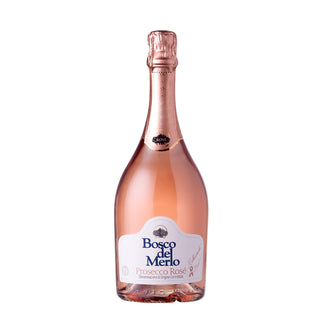
The same glass can taste different when you know its story. In 2018, Veneto producer Bosco del Merlo launched "Life in Rosé" — a project dedicated to women and life itself, supporting breast cancer prevention and research. The winery was the first in Italy to partner with LILT (the Italian cancer association) on its Pink Ribbon campaign. The symbols of the project are the Prosecco Rosé DOC and Pinot Grigio Rosé DOC, with a portion of each sale donated annually. Cumulative donations have reached €43,700. Today, the women of the winery lead the project, extending it into broader support for women's health and sport. Swirl shares this vision. A glass of pink rosé can quietly encourage someone — we think that's a beautiful kind of toast.

Frequently Asked Questions
Q. Is rosé wine sweet?
A. Most rosé is dry. Sweet styles exist too — look for "Dry / Secco" or "Dolce" on the label. For food pairings, dry rosé is the most versatile.
Q. What food does rosé pair with?
A. Almost everything: charcuterie, tomato starters, seafood, Japanese food (sashimi, sushi), and mildly spiced dishes. Sitting between red and white, rosé rarely clashes.
Q. What temperature should I serve rosé?
A. 8–10°C is ideal. Well chilled, the balance of aromas and acidity comes alive. If over-chilled, rest it a few minutes before drinking.
Q. Still or sparkling — how do I choose?
A. For toasts and aperitivo, go sparkling. For a long meal, a still rosé is more versatile.
Q. How long after opening should I drink it?
A. Still rosé: finish within 2–3 days. Sparkling: drink while the bubbles last.
Serve cold, share with someone, and let it be the start of a good evening. This summer, begin with rosé.


Comments (0)
There are no comments for this article. Be the first one to leave a message!