

Beaujolais Nouveau 2026 is released on Thursday, November 19. Every year around this time, you hear people say things like "It's just a party wine" or "It tastes the same every year." As an Italian wine importer based in Tokyo, I, Federico, used to toast the Beaujolais release with friends at a bar back when I lived in Milan. Even for Italians, the French new wine festival was a cherished autumn tradition: a fun evening to discuss "How were the grapes this year?"
In this article, I'll debunk the myth that "Beaujolais is cheap wine" while covering the winemaking process, the history of the release date, Lyon's wine culture, and Italian wines you can enjoy while waiting for the big day. Check the body scale below before reading to get a sense of how the flavors compare.
"Beaujolais Is Cheap Wine": Debunking 3 Common Myths
Myth 1: It's just a low-quality "party wine." The lightness of Beaujolais Nouveau is not a sign of poor quality. It's the result of carbonic maceration, a deliberate winemaking technique designed to minimize tannin extraction and maximize fresh fruit character. Far from being a shortcut, it is an intentional winemaking decision.
Myth 2: It tastes the same every year. Nouveau is like an "annual report" reflecting the vintage's growing conditions. A hot year yields concentrated fruit, while a cool year brings brighter acidity. The 2026 glass will taste entirely different depending on the summer Beaujolais experienced.
Myth 3: You can only enjoy it on release day. Properly stored, Beaujolais Nouveau is enjoyable for 3 to 6 months after release. In fact, the aromas often open up and the wine becomes more balanced 2 to 3 weeks after the release date. However, it's not built for aging, so aim to finish it by the following spring.
Carbonic Maceration: The Secret Behind Nouveau's Flavor
Beaujolais Nouveau's distinctive character comes from the combination of the Gamay grape and the carbonic maceration method. In conventional red winemaking, grapes are crushed before fermentation, but in carbonic maceration, whole grape clusters are placed in a sealed tank filled with carbon dioxide.
Two things happen simultaneously inside the tank. The grapes at the bottom, crushed under their own weight, begin standard alcoholic fermentation. Meanwhile, the intact grapes on top undergo intracellular fermentation (enzymatic reactions). This intracellular process produces only 1 to 2% alcohol but generates abundant fruity esters (such as isoamyl acetate), responsible for those signature strawberry and banana aromas. Because tannin extraction is minimal compared to conventional fermentation, the result is a light, smooth wine.
The entire process completes in just days to two weeks, which is how grapes harvested in September can be shipped as new wine in November. Italy has a similar tradition called "Novello," though since a 2012 regulation change in aging requirements, it has become less prominent than it once was.
Why Is the Release Date the "Third Thursday of November"?
Originally, the Beaujolais Nouveau release date was fixed at November 15. However, when this date fell on a Saturday or Sunday, logistics operators were off duty and the wine couldn't be delivered. In 1985, the French government changed the release date to the third Thursday of November each year. Thursday was chosen because it's a weekday when distribution is running, yet close enough to the weekend to extend the celebrations into Friday evening and beyond.
The shift to a day-of-week format strengthened Beaujolais Nouveau's identity as a global wine event, with the whole world uncorking on the same day. Thanks to Japan's time zone advantage (8 hours ahead of France in winter), Japan is one of the first countries to toast the release. In 2026, the moment of release is midnight on November 19 (Thursday), Japan time.
Lyon's "Pot" Culture: The Wine Traditions of France's Food Capital
Lyon, situated just north of the Beaujolais region, is known as the gastronomic capital of France. Its signature dining establishments are the "bouchons," traditional bistros that define the city's food culture. When you order wine at a bouchon, it comes not in a bottle but in a "pot lyonnais," a sturdy glass vessel holding 46 centiliters.
The pot was designed as the perfect portion for a single meal, roughly 60% of a standard 750ml bottle. The tradition traces back to Lyon's silk weavers (canuts), who would drink "one pot per meal" during their lunch breaks. Lyon has a saying: "Three rivers flow through this city: the Rhône, the Saône, and Beaujolais," illustrating just how deeply woven Beaujolais wine is into daily life. On release day, bouchons across the city serve the new vintage in pots, and diners gather to assess the year's first taste.
Flavor Profile Comparison Table
Placing Beaujolais Nouveau alongside other red wines brings its unique character into sharp focus. The table below compares it with typical red wines and shows where Italy's lighter reds stand in the spectrum.
| Comparison | Beaujolais Nouveau | Morellino (Light Red) | Doppio Passo (Medium Red) |
|---|---|---|---|
| Main Grape | Gamay | Sangiovese | Primitivo |
| Vinification Period | A few weeks (new wine) | Approx. 6 months | Approx. 6 months |
| Tannins | Very low | Gentle | Gentle to moderate |
| Key Aromas | Strawberry, banana, cherry | Cherry, violet, herbs | Plum, blackberry, vanilla |
| Drinking Window | Release to 6 months | 1 to 3 years | 1 to 3 years |
| Ideal Serving Temp | 12 to 14°C | 14 to 16°C | 16 to 18°C |
| Food Pairings | Charcuterie, light meats | Tomato dishes, stews | Grilled meats, pasta |
Food Pairing & Serving Temperature Guide
Pairing Beaujolais Nouveau with food follows a straightforward principle: light food for a light wine. To make the most of its fresh fruit and low tannins, choose dishes with delicate flavors.
Fail-safe pairings: Charcuterie (cured meats) is the classic Beaujolais partner. Italian prosciutto and salami milanese pair beautifully too, making them the top pick for release day appetizers. Japanese comfort foods like karaage (fried chicken), salt-seasoned yakitori, and potato salad also work surprisingly well.
Japanese cuisine: With almost no tannins, Beaujolais rarely clashes with delicate Japanese flavors. Dashi-based simmered dishes like nikujaga (meat and potato stew), chikuzenni (braised chicken and vegetables), and oden harmonize gently. However, rich fatty grilled meats or heavy miso-based dishes can overpower the wine's lightness; for those, a fuller wine like Doppio Passo is a better match.
Temperature tips: Serve Beaujolais Nouveau at 12 to 14°C, cooler than most reds. Take it out of the fridge 15 to 20 minutes before serving. If you don't have a wine fridge, placing the bottle in the vegetable drawer 40 minutes before serving does the job. Too warm, and the alcohol becomes prominent, obscuring the fresh fruit character.
Italian Wines to Enjoy While Waiting for Release Day
From SWIRL's Italian wine selection, here are three bottles that share Beaujolais Nouveau's spirit of freshness, easy drinking, and convivial dining. Perfect as a warm-up before November 19, as a second bottle on release day, or for those evenings when you simply want to celebrate with wine. All stock confirmed.
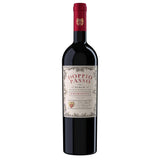
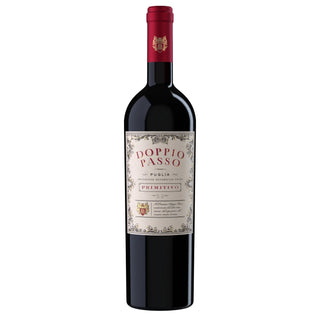
¥2,200 (tax incl.). Rich Primitivo fruit from Puglia. Slightly more body than Beaujolais, a bottle that makes any dinner table more fun. Japan's first and exclusive import by SWIRL
Doppio Passo Primitivo 2024Doppio Passo
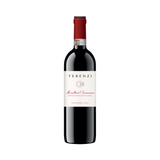
¥3,850 (tax incl.). Light Sangiovese from Tuscany's Maremma coast. Cherry aromas and gentle tannins give it the closest body to Beaujolais among our Italian reds
Morellino di Scansano 2023Terenzi
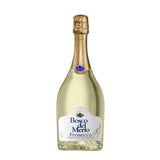
¥3,300 (tax incl.). Sparkling perfection for a release day toast. Green apple and white peach from Veneto's Glera grapes, the ideal curtain raiser for any celebration
Prosecco Millesimato Brut 2024Bosco del Merlo
Doppio Passo Primitivo is SWIRL's first and exclusive import to Japan. Made from Primitivo grapes in Puglia, it offers generous berry and plum aromas with an approachable, fruity character. It has more body than Beaujolais but keeps tannins restrained, making it welcoming for wine beginners. At ¥2,200 tax included, it's easy on the wallet too.
Morellino di Scansano is a light Sangiovese-based red from Tuscany's Maremma coast. Among SWIRL's lineup, it has the closest body profile to Beaujolais Nouveau, with cherry and violet aromas and gentle tannins. Equally at home with karaage or a tomato-based pasta, it's the all-rounder of light reds.
And for the countdown to release day, start with a toast of Prosecco. Nouveau is red wine, but nothing beats bubbles for opening a celebration. Begin with Prosecco alongside appetizers, then transition to Nouveau (or an Italian red) with the main course. This two-wine flow turns a home dinner into a restaurant-style experience.
Your 2026 Preparation Timeline for November 19
Frequently Asked Questions
Q. When is the Beaujolais Nouveau 2026 release date?
A. Thursday, November 19, 2026. Japan is 8 hours ahead of France (winter time), making midnight JST one of the world's earliest release moments. In France's Beaujolais region, the traditional "Sarmentelles" lantern-lit release party takes place on the same evening.
Q. What's the difference between Beaujolais Nouveau and "Villages"?
A. Beaujolais Nouveau Villages is a premium tier made exclusively from grapes grown in 38 designated communes. It offers more concentration and complexity than regular Nouveau. It costs a few hundred yen more, but the quality difference is clear.
Q. Why is Beaujolais Nouveau especially popular in Japan?
A. Since its first air shipment to Japan in 1976, it resonated with Japan's love of "hatsu-mono" (seasonal firsts), and the boom accelerated during the 1980s bubble era. The time zone advantage allowing the world's earliest release, November's perfect weather for red wine, and the communal joy of "everyone enjoying the same thing on the same day" all align beautifully with Japanese food culture. Import volume peaked at approximately 12.5 million bottles in 2004.
Q. How long does Beaujolais Nouveau last after opening?
A. Once opened, store in the refrigerator and drink within 1 to 2 days. It oxidizes faster than typical reds, and the fresh fruit character fades quickly. Any leftover wine works well in the next day's stew or sauce.
Q. Is Gamay grown outside Beaujolais?
A. While Beaujolais is by far the most famous region for Gamay, it's also grown in the Loire Valley's Touraine, Switzerland's Valais, and Ontario, Canada. Within the Beaujolais region itself, the 10 "Cru Beaujolais" villages (Morgon, Fleurie, and others) produce Gamay wines with a depth and complexity entirely different from Nouveau, highly regarded by wine connoisseurs.
References: Beaujolais Nouveau release date history via Euronews; Lyon's pot culture via Les Bouchons Lyonnais.


Comments (0)
There are no comments for this article. Be the first one to leave a message!