

Aperitivo is the Italian custom of enjoying a light drink and a few small snacks before a meal. It is not the name of a drink but a word for the whole early-evening moment: opening the appetite with a well-chilled sparkling or a light white, the Italian way to spend the dusk.
Behind the counter in Tokyo, the customers who come in for just a glass before dinner look the happiest of the evening. In my own home country too, aperitivo is the most relaxed hour of the day.
A common misconception: aperitivo is not only the Spritz
The Aperol Spritz looms large, but the real star of aperitivo is wine. The brief is simple: light, with clean acidity and not too much alcohol. Chilled sparkling, a crisp white or a light rosé are the classics; heavy reds and oaky whites are a little tiring before a meal. Do not overthink it: it is the glass that opens your appetite.
What makes a good aperitivo wine
The pre-dinner glass resets the palate and wakes the appetite before the food, so lightness and acidity are everything.
| Quality | Why it matters |
|---|---|
| Light body | Does not weigh you down before the meal |
| Clean acidity | Wakes the appetite and the palate |
| Bubbles, ideally | Resets both the mood and the taste buds |
| Low to medium alcohol | No fatigue from the very first glass |
| Serving temperature | 6 to 9°C (sparkling well chilled) |
How style changes by region
| Region | The classic glass |
|---|---|
| Veneto (northern Italy) | Prosecco. The default light sparkling before dinner |
| The coast (Tuscany, Sardinia) | Mineral whites such as Vermentino |
| Sicily and the south | Light whites like Grillo and Inzolia |
| Everywhere | A light rosé or a dry sparkling |
Prosecco's easy lightness comes from the Charmat method, where the second fermentation happens in a tank. Unlike Champagne, which ages in the bottle, this keeps the pear and floral aromas of the Glera grape fresh. That is exactly why it suits aperitivo.
One scene from the source. In Venice, people spend the early evening hopping between small standing wine bars called bacari. At each one they have an ombra (ombra, dialect for shade, a small glass of wine) and a couple of cicchetti (cicchetti, one-bite snacks), then move on. This crawl is called the giro d'ombre. The word ombra comes from the old days, when a wine cart in St. Mark's Square moved to stay in the shade of the bell tower. From about 6 to 8 in the evening, standing shoulder to shoulder with strangers, it is one of Venice's small treasures.
How to enjoy it in Japan, and the snacks
Aperitivo is easiest of all at home. Pour a well-chilled Prosecco into a small glass, with snacks like edamame, olives, prosciutto, dashimaki egg, hiyayakko (cold tofu), and a little salt-seasoned tempura or fried chicken. Anything with salt and a touch of fat, Japanese snacks included, pairs beautifully. People assume aperitivo belongs in a stylish bar, but it is really a relaxed everyday habit. Thirty minutes after work, opening one glass of sparkling turns the evening into a small reward.
The trick: always start the first glass with sparkling or a light white. Chill it well and keep the glass small. As a run-up to the meal, keeping things light is the authentic way.
Federico's pick
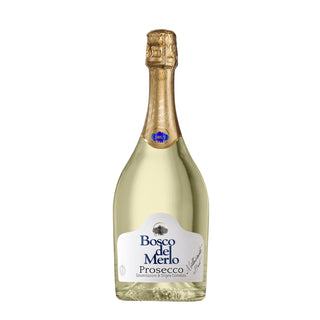
The one I most often pour before dinner is Prosecco Millesimato Brut from the Veneto producer Bosco del Merlo. Apple and pear aromas, light yet never thin: the textbook aperitivo. On days you want to start with a white, reach for Balbino (Vermentino) from the Tuscan coast; its minerality and faint salinity lift prosciutto and olives.
Choosing and serving
If the snacks are light, go sparkling; if there is a little salt or richness, a mineral white. Pair that way and you will not go wrong. Serve at 6 to 9°C, sparkling a touch lower. Among similar styles, Prosecco (Charmat method, light) and Champagne (bottle fermentation, complex) are different animals. Starting with an easy Prosecco is my recommendation. To go deeper, see our guides to Prosecco and Vermentino.
FAQ
Q. What is the difference between aperitivo and antipasto?
A. Aperitivo is the time for a drink and snacks before the meal; antipasto is the first course of the meal itself. Think of aperitivo as the run-up and antipasto as the start of the course.
Q. When do you drink it?
A. In Italy, around 6 to 8 in the evening. In Japan too, enjoy it in the 30 minutes before dinner.
Q. What snacks go with it?
A. Edamame, olives, prosciutto, nuts, dashimaki and other light, salty bites. Save the heavy dishes for the meal.
Q. A common mistake?
A. Choosing a heavy red for the first glass, and not chilling enough. Keep the pre-dinner glass light and well chilled.
Tonight, after work, pour one well-chilled glass of sparkling. Start your evening with a small aperitivo.


Comments (0)
There are no comments for this article. Be the first one to leave a message!