

Pinot Noir is a red-wine grape native to Burgundy in France. Pale in colour, it offers bright aromas of red fruit like strawberry and cherry and a fine, silky texture. With gentle tannins, it is loved worldwide as an easy entry into red wine.
What does Pinot Noir taste like?
Its hallmark is a light, elegant style. Fruit and acidity are nicely balanced, fresh when young, developing complex notes of mushroom and black tea with age.
| Attribute | Tendency |
|---|---|
| Body | Light to medium |
| Tannin | Gentle |
| Acidity | High |
| Style | Dry |
What food pairs with Pinot Noir?
Its delicacy makes it a friend to Japanese food: roast duck, mushroom dishes, salmon and tuna, and soy or dashi-based cooking such as sukiyaki and teriyaki.
How region changes Pinot Noir, and a word on price
Burgundy at home is refined and mineral; cooler New World regions like New Zealand and California give a more open, approachable fruit. Honestly, Pinot Noir is one of my favourite grapes. Done well, it combines fresh berry fruit with an elegant, balanced frame that you rarely find elsewhere. I love Burgundy above almost anything, but today its prices are simply too high for the Japanese market, which is exactly why I look to the New World, New Zealand in particular. Each has its own character, and the value for the yen is far better.
| Region | Style | Price range (approx.) | Food pairings |
|---|---|---|---|
| Burgundy (France) | Refined, mineral, complex, delicate | ¥5,000+ | Duck dishes, mushroom sauce |
| New Zealand | Full fruit, well balanced | ¥2,500–¥5,000 | Salmon, lamb, Japanese food |
| California (cool sites) | Fresh and elegant | ¥4,000–¥8,000 | Sukiyaki, mushroom dishes, chicken |
Swirl's Pinot Noir pick
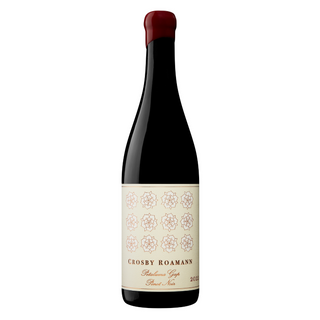
In our range, try the Crosby Roamann Petaluma Gap Pinot Noir ¥7,150 (tax incl.) from Petaluma Gap, a cool, sea-breeze California site. Made by winemaker Sean McBride, it has fresh fruit and an elegant frame, an honest New World take on Pinot at a friendly price, different from Burgundy in the best way.
How Burgundy enjoys it: the gougeres served in the cellar
At home in Burgundy there is a small custom that makes Pinot Noir even more fun: the gougere. It is a bite-sized, savoury choux puff baked with cheese such as Comte or Gruyere worked into the dough, and it is said to have been born in Burgundy (it appears as far back as a 1571 wedding menu in the town of Sens). Visit a grower and taste in the cellar, and the first thing set before you is a plate of warm gougeres and a glass. That is the local way. It is still barely known in Japan, but the salt and richness of the cheese gently lift Pinot's fruit and acidity.
The other idea you cannot skip when talking about Burgundy is the climat. Within a single village the vineyards are divided into small named parcels, and the slightest difference in soil or sun becomes the character of each individual wine, a wonderfully fine-grained worldview (it was even added to the UNESCO World Heritage list in 2015). A gougere in one hand, comparing the taste of one parcel against the next: that is how the people of Burgundy keep company with their wine.
Related Grape Variety Guides
Curious about other red wine grapes? Start here.
- What Is Merlot? Richer fruit and softer tannins than Pinot Noir; Bordeaux's star grape.
- What Is Cabernet Sauvignon? Bold structure and ageing potential; the world's benchmark red.
- What Is Sangiovese? Italy's Chianti grape, vibrant acidity at its core.
- Wine Beginner's Guide From choosing a grape to reading a label.
FAQ
Q. Is Pinot Noir sweet?
A. It is dry. The fragrant red fruit can read as sweet, but the wine is classed as dry.
Q. Best serving temperature?
A. A slightly cool 14 to 16C brings out the aroma and fruit.
Q. How do Burgundy and New Zealand Pinot differ?
A. Burgundy is refined and mineral; New Zealand tends to be more openly fruity and approachable.
Q. Why is Pinot Noir more expensive than other red wines?
A. The grape has thin skins, is prone to disease, and yields very little fruit, so it demands careful attention in both vineyard and winery. Burgundy prices have risen sharply with demand and scarcity, but New World Pinot from New Zealand or California offers the same grape's magic at far friendlier prices.
Q. What is the difference between Pinot Noir and Merlot?
A. Both are easy-drinking reds, but Pinot Noir is higher in acidity, delicate, and elegant, with Burgundy as its home. Merlot is from Bordeaux, with softer tannins and a plumper, rounder fruit character. Pinot Noir suits seafood and lighter Japanese food; Merlot handles heartier meat dishes with ease.
Q. What price range can I enjoy Pinot Noir from?
A. New World bottles from New Zealand and California deliver solid quality from around ¥2,500 to ¥5,000. Burgundy typically starts at ¥5,000, with village-level wines often exceeding ¥10,000. Starting with New World Pinot and working up to Burgundy is a great way to explore the grape.


Comments (0)
There are no comments for this article. Be the first one to leave a message!