

Decanting is the process of transferring wine from its bottle into a wider vessel, allowing it to breathe and revealing its full aromas and flavors.
Have you ever opened a wine and found it smelled of very little, or found the tannins uncomfortably tight? That wine likely needed decanting. Decanting is not just for sommeliers. Done right, it is a simple technique you can perform at home in minutes — one that genuinely transforms a wine.
Common Misconception: Decanting Is Only for Aged Wines
Many people assume decanting is only for old, expensive wines — specifically to separate the sediment that forms over decades of aging. While that is one valid purpose, young wines with firm tannins actually benefit most from decanting.
When a young wine meets oxygen, closed aromas open up and harsh tannins soften. This is called "breathing," and when wine reacts with oxygen, its full flavor potential is unlocked far faster than it would be sitting in a sealed bottle.
Many also assume you need a dedicated crystal decanter. In reality, any wide-mouthed pitcher or jug works perfectly well.
Which Wines Need Decanting?
| Wine Type | Need | Suggested Time |
|---|---|---|
| Young, tannic reds (Primitivo, Syrah, Cabernet, etc.) | High | 30 min–1 hour |
| Sangiovese-based (Chianti, Morellino, etc.) | Moderate | 20–40 min |
| Aged, premium reds (with sediment) | With care | 15–30 min (sediment separation only) |
| Light reds (Gamay, Pinot Noir, etc.) | Low | 0–15 min |
| White and rosé wines | Rarely needed | Exception: high-quality aged whites only |
| Sparkling and Prosecco | Never | CO2 escapes — forbidden |
How to Decant: 4 Steps
- Stand the bottle upright for 30–60 minutes: This lets any sediment settle to the bottom. Skip this step if your wine has no sediment.
- Pour slowly into your vessel: Tilt the bottle gently and pour into the decanter or pitcher. Rushing will stir up the sediment.
- Stop when you see sediment: Once you notice dark particles near the bottle base, stop pouring. Holding the bottle to a light source helps you see clearly.
- Let it rest on the table: No need to stir or swirl — just let the oxygen do its work.
Decanting in Everyday Life
In Tuscany, decanters sit on dining tables as naturally as bread baskets and olive oil — not reserved for formal occasions. At local restaurants, house wine is routinely served in a carafe, a small decanting vessel. The idea that decanting is only for special events simply does not exist in Italian life.
In Japan, decanting is often seen as complicated or ceremonial — but any standard pitcher works. Start with what you already have at home.
For Japanese cuisine pairings, decanted reds with softened tannins pair beautifully with sukiyaki, teriyaki-sauced chicken, and soy-braised dishes. Tannins become more rounded and less likely to clash with the saltiness of soy sauce.
Federico's Recommendation
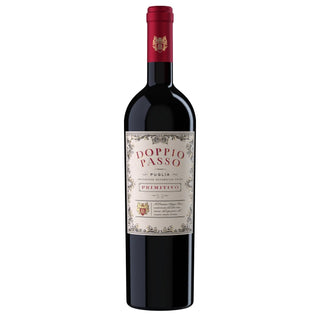
Primitivo from Puglia, southern Italy, is one of the most dramatic wines for experiencing the before-and-after of decanting. Doppio Passo Primitivo often starts with its fruit somewhat closed, but after 30–40 minutes in a decanter, dark cherry and blackcurrant aromas bloom open. I serve this regularly at Tokyo wine events precisely because the transformation is so clear — the before-and-after experience stays with guests long after the evening ends.
Choosing a Decanter
If you want a dedicated vessel, look for a wide, flat-bottomed decanter with a broad base — the greater the surface area of wine exposed to air, the faster it breathes. That said, start with whatever wide pitcher you own. It works.
FAQ
Q: Does every wine need to be decanted?
A: No. Light reds, whites, and sparkling wines generally do not need it. Decanting is most effective for young, tannic reds.
Q: Can I just leave the bottle open for an hour instead of pouring into another vessel?
A: The effect is dramatically reduced. The bottle neck is too narrow for meaningful air contact. Transferring to a wide vessel is what makes decanting work.
Q: How long should I decant an aged wine?
A: For aged wines, the primary goal is sediment separation, so keep it brief — 15 to 30 minutes. Aged wines have delicate aromas that can fade with too much aeration.
Q: Should sparkling wine ever be decanted?
A: No. It loses its carbonation. Pour Prosecco and Champagne directly from the bottle into the glass.
Q: How long does wine stay good after decanting?
A: Best to finish within 2 to 3 hours. Extended exposure to air will over-oxidize the wine.


Comments (0)
There are no comments for this article. Be the first one to leave a message!