

The Bordeaux wine classification is an official ranking system established in 1855 by order of Napoleon III, organizing Bordeaux wines by quality. One of the world's most famous wine regions, France's Bordeaux is home to thousands of châteaux, and many wine lovers find themselves lost standing in front of a shop shelf wondering which bottle to choose. The classification is your roadmap, and once you understand it, it is surprisingly straightforward.
Common Misconception: Do You Need Classified Wines to Enjoy Bordeaux?
The 1855 classification (First through Fifth Growth, 61 châteaux) covers only a small group centered on the Médoc district. Bordeaux as a whole contains thousands of wines, and there are countless bottles outside the classification that are full of character and drinking pleasure. Appellations like Côtes de Bordeaux and Blaye Côtes de Bordeaux are known for outstanding value.
Taste Profile
Bordeaux reds are primarily blends of Cabernet Sauvignon and Merlot. The Left Bank (Médoc) is Cabernet-dominant with firm structure, while the Right Bank (Pomerol, Saint-Émilion) is Merlot-dominant with roundness and softness.
| Attribute | Profile |
|---|---|
| Body | Medium to full |
| Acidity | Medium, well-balanced |
| Tannins | Medium to high (grippy in youth) |
| Aromas | Blackcurrant, plum, spice, cedar (leather and tobacco with age) |
| Serving temperature | 16–18°C |
Styles by Appellation
| District | Key Grapes | Style |
|---|---|---|
| Médoc (Left Bank) | Cabernet Sauvignon dominant | Firm structure, rich tannins, long-ageing potential |
| Pomerol and Saint-Émilion (Right Bank) | Merlot dominant | Rounded, plummy, approachable earlier |
| Blaye Côtes de Bordeaux | Merlot and Cabernet | Fruity, ideal for everyday drinking |
| Sauternes (sweet white) | Sémillon dominant | Noble-rot wines, honey and apricot |
Bordeaux Grands Crus are typically aged 12 to 18 months in French oak barrels (50 to 100% new oak). More new oak means more vanilla and spice and finer tannins. Côtes de Bordeaux wines use large tanks or used oak, bringing forward fresh, fruity character.
Enjoying Bordeaux in Japan
Bordeaux is a staple at high-end French and teppanyaki restaurants in Tokyo, but there are many great pairings for home cooking: sukiyaki (especially the sweet-salty Kanto style), beef braised in red wine, or aged salty cheeses like Cheddar or Mimolette.
Here is a local detail that rarely makes it to Japan. In the old brasseries of Bordeaux city, the entrecôte à la bordelaise is a staple lunch: rib-eye steak topped with a sauce of shallots, beef bone marrow (moelle), and local red wine, reduced to a silky glaze. Bordeaux locals eat this once a week without ceremony, much as someone in Japan might have a tonkatsu lunch. That the sauce uses local wine as a matter of course tells you everything about how deeply wine and food are intertwined in Bordeaux.
At home in Japan, if a freshly opened Bordeaux feels a little tight, 30 minutes in a decanter is all it takes to open up the aromas.
Federico's Pick
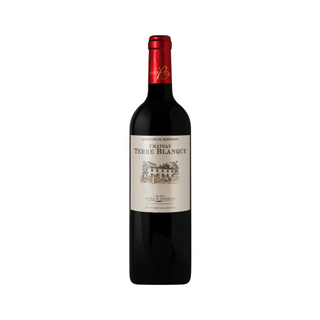
I often hear "I'd love to try Bordeaux, but Pétrus is a bit out of reach..." What I regularly pour is a Côtes de Bordeaux that delivers genuine Bordeaux character without the Grand Cru price. Château Terre Blanque Blaye Côtes de Bordeaux is a Merlot-dominant red from clay-limestone soils. Strawberry, blackcurrant, and violet aromas layer into a complex, authentically Bordeaux wine that drinks well young.
How to Choose, When to Drink, Similar Wines
Grand Cru wines have 10 to 20+ years of ageing potential. Decant if drinking within five years. Côtes de Bordeaux is at its best from three to eight years and is enjoyable straight after purchase. Similar styles: Chilean Cabernet Sauvignon or Italian Bolgheri (Super Tuscan). Related article: What Is Bolgheri DOC and Super Tuscan?
Frequently Asked Questions
Q. Which châteaux are the First Growths in the Bordeaux classification?
A. The five First Growth châteaux named in 1855 are: Château Margaux, Château Latour, Château Lafite Rothschild, Château Mouton Rothschild (elevated in 1973), and Château d'Yquem (sweet white, Sauternes).
Q. Left Bank or Right Bank — which is better for beginners?
A. The Right Bank (Pomerol and Saint-Émilion), being Merlot-dominant, tends to be softer and rounder, which many Japanese palates find more approachable. For value, satellite appellations like Blaye Côtes de Bordeaux are excellent.
Q. Is it a mistake to open a bottle straight away?
A. Grands Crus benefit from decanting, but Côtes de Bordeaux can be enjoyed immediately. Letting it breathe around 30 minutes usually opens the aromas nicely.
Q. Why is Bordeaux so expensive?
A. Demand for classified wines outpaces supply, pushing prices up. That said, Bordeaux spans a very wide price range, so equating Bordeaux with expensive is a misconception.
Q. What is Claret?
A. Claret is the English term for red Bordeaux, derived from the lighter reds shipped in large quantities to Britain during the Middle Ages. British wine drinkers still use the word today. A wine steeped in history and culture — do give it a try.


Comments (0)
There are no comments for this article. Be the first one to leave a message!