

Did you know that wine can contain gelatin or egg whites? For anyone choosing plant-based foods, wine can be a surprising blind spot. The good news is that certified vegan wines are now available in Japan. Once you understand the differences in production, you can make confident choices without relying solely on labels.
Why Do Some Wines Contain Animal Ingredients?
During winemaking, a process called fining is used to clarify the wine. After fermentation, wine is hazy with fine yeast particles and proteins that need to be settled and removed. Traditionally, the following fining agents have been used:
- Gelatin (from pigs or cattle): softens red wines with excess tannins
- Egg whites (albumin): still used in classic Bordeaux-style reds
- Fish bladder (isinglass): common in white wines
- Casein (milk protein): used in white wines as an antioxidant
Vegan wines replace these animal-based fining agents with bentonite (a mineral clay), activated charcoal, or skip fining altogether with an unfiltered approach.
Fining Methods by Region
| Region | Primary Method | Trend |
|---|---|---|
| Veneto (Northeast Italy) | Bentonite / Unfiltered | High compatibility with environmental certification |
| Sicily | Bentonite dominant / Organic winemaking growing | Adoption increasing in both red and white |
| Bordeaux | Egg whites deeply traditional | Usage quantities regulated by AOC rules |
| California | Biofine (plant-based) also growing | High certification demand |
Italian Vegan Certification: VEGANOK and V-Label
Two certifications stand out as reliable markers for vegan wine. VEGANOK is an Italian vegan certification body that audits every step of the production process: not just ingredients, but fining, filtering, and bottling are all verified to be free of animal products. V-Label, operated by the European Vegetarian Union, is a pan-European certification mark. When either label appears on a bottle, you can confidently identify it as vegan-friendly.
As a sommelier, I want to highlight that going vegan does not mean a drop in quality. Bentonite clarifies wine through electrostatic ion exchange, which barely affects aroma or fruit character. In many cases, skipping animal fining agents results in a more natural, expressive wine that lets the grape speak for itself.
Federico's Pick: A Serious Vegan Wine You Can Try Right Now
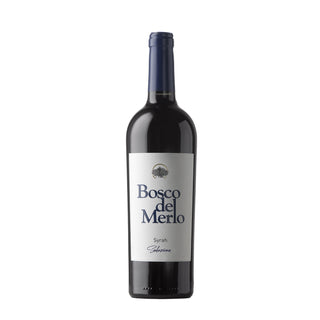
If you want to explore vegan wine, I recommend the Syrah Seduzione from Bosco del Merlo in Veneto. A genuine vegan-certified red finished with bentonite, it delivers ripe blackberry and black pepper aromas, velvety tannins, and a long, satisfying finish. Sealed with a glass stopper (screw cap), sulfite use is kept to a minimum. No compromises for the vegan drinker.
Serving and Food Pairing
Being vegan does not change the pairing principles. A Syrah-based red pairs beautifully with peppery dishes, meaty mushrooms, and tofu steaks. At a vegan table, try it alongside lentil stew, roasted eggplant, or ratatouille for a Southern France meets Southern Italy kind of evening. Serve at 16 to 18 degrees Celsius; decant for 30 minutes after opening and the aromas will fully bloom.
FAQ
Q. Are organic wine and vegan wine the same thing?
No. Organic certification covers farming practices such as pesticides and herbicides; it says nothing about fining agents used during winemaking. Vegan wine is a concept limited to the winemaking process. The two can overlap, but either can exist without the other.
Q. Can you tell if a wine is vegan just from the label?
Since 2023, the EU has required disclosure of major allergens (egg and milk derivatives), but not all animal-based ingredients are covered. To be certain, look for a VEGANOK or V-Label mark on the bottle, or check the producer's website for winemaking details.
Q. Do fining agents stay in the wine?
Fining agents are removed along with the sediment they collect, so very little remains in the finished wine. However, trace amounts can persist. Those with allergies or strict vegan requirements are advised to choose VEGANOK/V-Label certified wines or products confirmed by the producer.


Comments (0)
There are no comments for this article. Be the first one to leave a message!