

"Why does the same grape variety taste so different depending on where it grows?" Anyone who spends time with wine arrives at this question. The answer lies in terroir. As a sommelier, I find terroir the most intellectually rich subject in the entire world of wine.
What Is Terroir?
Terroir (from the French for "land") means the total natural environment of a specific place. In wine, it refers to the combination of soil, climate, topography, and drainage that shapes the character of a vineyard. In its broader sense, it also includes the human knowledge — viticultural practices and winemaking philosophy — passed down over generations in that place.
The concept traces its origins to 12th-century Burgundy. Around 1110, Cistercian monks began clearing land in the Côte de Nuits to create what would become Clos de Vougeot. Managing this fifty-hectare estate plot by plot, the monks became the first people to systematically observe and record how the same Pinot Noir produced distinctly different wines from different sections of the same vineyard. For roughly seven hundred years, until the French Revolution (1789), the Cistercians maintained this vineyard, and the concept of terroir became embedded in winemaking culture.
Three Elements of Terroir
1. Soil
The composition of the soil in which vines root directly shapes the wine's character. Limestone and clay (Burgundy) create mineral tension and vibrant acidity. Sandy and clay soils (Puglia, Maremma) yield rich fruit and supple tannins. Volcanic soils (Sicily, Etna) give wines a smoky, mineral edge. Gravel and pebbles (Bordeaux) drain well and store heat, encouraging early ripening.
2. Climate
Annual temperature, rainfall, and sunshine hours determine sugar content, acidity, and skin thickness. Puglia's Mediterranean climate — hot, dry summers — produces concentrated, full-bodied wines. Burgundy's continental climate, with pronounced day-night temperature swings, preserves acidity and builds complexity.
3. Topography
A vineyard's altitude, the direction it faces, its proximity to the sea, and the presence of rivers or lakes all shape the wine's character. In Maremma, close to the Tyrrhenian coast, Mediterranean winds cool the vines gently, preserving delicate aromatics.
How to Choose a Wine That Expresses Terroir
Terroir is most clearly felt in single-vineyard wines or wines from tightly defined DOCG appellations, where the personality of one specific place is concentrated in the glass.
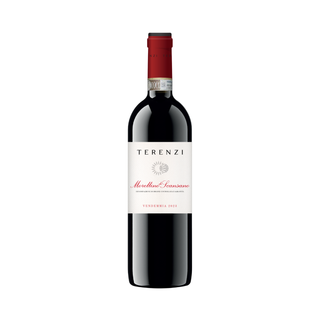
Morellino di Scansano DOCG from Tuscany's Maremma is a perfect example. Sandy clay soils and a warm, sea-influenced climate produce a wine of remarkable character. Sangiovese grown here yields aromas of cherry, violet, and herbs with soft tannins — a glass that genuinely evokes the sunshine and coastal breeze of those Maremman hillsides.
Our Pick: Tasting Maremma's Terroir
Terenzi's Morellino di Scansano is one of the most honest expressions of Maremma terroir available. Carnation, cherry, and a hint of spice in the nose carry the memory of those sandy soils and long summer light.
Climat vs. Terroir — What's the Difference?
A climat (a Burgundy-specific term) is a legally defined, named vineyard parcel — Musigny, Gevrey-Chambertin, and so on. Terroir is the broader concept: the full natural environment of a place. The Burgundy climats were inscribed as a UNESCO World Cultural Heritage Site in 2015, a recognition that their meticulous parcel management is terroir expressed at the highest level of precision.
Japan Has Terroir Too
Terroir is not a French or Italian exclusive. The silica-rich soils of Hokkaido's Yoichi produce mineral qualities well suited to Pinot Noir. Yamanashi's Koshu grape, grown in granite soils, develops a distinctive citrus acidity. Wine regions everywhere are articulating what makes their land irreplaceable.
Drink the Land, Not Just the Label
The appellation on a wine label is not just a geographic name — it is evidence of soil, climate, and centuries of human knowledge. Next time you choose a wine, ask: "What kind of land produced this?" The more you learn about where wine comes from, the more you see in every glass. That is where the real pleasure begins.


Comments (0)
There are no comments for this article. Be the first one to leave a message!