

A great-value wine is one that gives you more satisfaction than the price tag suggests. Even at an affordable price point, choosing by region and producer almost always leads you to a bottle that genuinely enriches the dinner table. As an Italian wine importer pouring every day in Tokyo, here's how I approach the selection.
The Myth: "Cheap Wine Is Bad Wine"
The most common misconception is that low price equals low quality. In reality, price is shaped by many factors beyond quality — production volume, shipping costs, and brand recognition all play a role. Wine made in large quantities from broad, sun-drenched regions can be genuinely delicious at a modest price. The flip side: expensive doesn't automatically mean better. What matters isn't the price itself, but the satisfaction you get per yen spent.
3 Criteria for Choosing Well
| Factor | What to Look For |
|---|---|
| Price range | ¥1,000–¥2,000 range offers the best quality-to-price balance |
| Grape variety | Fruit-forward varieties (Primitivo, Merlot, etc.) deliver satisfaction even at modest prices |
| Region | Southern Italy, Spain, and Chile are treasure troves of great-value wine |
| Importer | A trusted importer's selection reduces the risk of disappointment |
How Price Affects the Experience — The Sweet Spot Is Around ¥2,000
| Price Range | What to Expect |
|---|---|
| Under ¥1,000 | Casual everyday drinking. Can be hit or miss. |
| ¥1,000s | Value-focused. Good for finding a go-to daily bottle. |
| ¥2,000s | A noticeable step up. Comfortable for guests and self-reward moments. |
For a daily table wine, the ¥2,000 range hits the mark — satisfying enough to feel like a treat, reasonable enough to keep coming back to. At this price, you can start choosing by variety and region rather than just grabbing whatever's on the supermarket shelf.
Pairing with Japanese Food
What I always tell people: affordable wine is best enjoyed paired freely with whatever you're cooking. A fruit-forward red goes naturally with karaage, gyoza, or yakitori with tare. A clean, crisp white is a natural match for tempura, starters, or Asian-inflected dishes. No cellar required — in summer, even a red benefits from 20 minutes in the fridge before pouring.
Italy still has a thriving culture of "vino sfuso" — bulk wine sold by the litre from a tank, brought home in whatever container the customer brings. Affordable, delicious wine as a daily staple isn't a compromise there; it's just how things are. No ceremony, no fuss. That's the spirit I try to bring to Swirl.
Federico's Picks
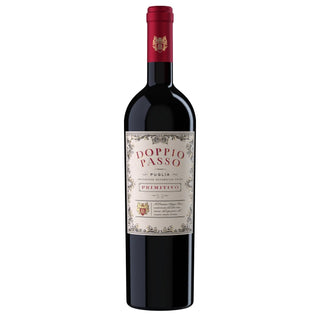
The bottles I reach for most often are from Doppio Passo — both at ¥2,200, right in the sweet spot.
For red: Doppio Passo Primitivo. A bestseller with over 28 million bottles sold across Europe, it delivers rich fruit and soft tannins in a dry, medium-bodied style. Versatile with everything from grilled meat to weeknight takeout. Learn more about the Primitivo grape.

For something sweet: Doppio Passo Moscato. A lightly sweet Sicilian white, lovely with desserts or as a post-dinner pour.

FAQ
Is cheap wine bad for you — does it cause headaches?
Price and hangovers aren't directly linked. Drinking too much, or your body's condition on the day, are far bigger factors. Stick to a sensible amount and enjoy it with food and water, and even an affordable wine can be a pleasure.
What's the difference between a ¥2,000 wine and a ¥5,000 wine?
Primarily: rarity of the region, production volume, and the care (aging, hand-sorting, etc.) that goes into it. For everyday meals, ¥2,000 is more than enough. Save the extra spend for when you want complexity on a special occasion.
Where should a beginner start?
Start with fruit-forward varieties (Primitivo or Merlot for reds) — easy to enjoy without a trained palate. If in doubt, a trusted importer's recommendation is the lowest-risk shortcut. New to wine altogether? The wine beginner's guide is a good place to start.
How long does an opened bottle keep?
Reseal it, stand it upright in the fridge, and it'll stay enjoyable for 2–3 days. A bit left over works great in cooking too.
No ceremony required — just pour, pair, and enjoy. That's the key to a long and happy relationship with wine.


Comments (0)
There are no comments for this article. Be the first one to leave a message!