

Sparkling wine is wine that has been carbonated during production — Champagne, Prosecco, and Cava are all members of this one big family. Here is everything you need to know to choose a bottle with confidence.
The key to choosing is simple. Decide three things: the occasion (everyday or celebration), your taste preference (dry or sweet), and your budget. With those three settled, you can narrow down the options quickly. Let’s walk through it step by step.
Common Misconception: Not Every Sparkling Wine Is "Champagne"
In Japan, it is easy to call any sparkling wine "Champagne," but true Champagne can only come from the Champagne region of France, made by a specific method. Italian Prosecco, Spanish Cava, and Italian Franciacorta each have their own distinct origin and name. Once you think of "Champagne" as a single place-name rather than a catch-all premium term, choosing becomes much easier.
One more thing: the sweetness labels can be deceptive. Brut is the standard dry style, Extra Brut is even drier, and Extra Dry — despite the name — is actually slightly sweeter than Brut. When in doubt, start with Brut and you will rarely go wrong.
Flavour Profile
Bubble texture, acidity, sweetness, and aroma balance define the style. Here is a rough guide:
| Element | Range |
|---|---|
| Bubbles | Fine and creamy to lively and energetic |
| Acidity | Pronounced (higher in cooler-climate regions) |
| Sweetness | Extra Brut to Demi-Sec (most bottles are dry) |
| Aroma | Apple, pear, citrus, white flowers; toasty notes from the traditional method |
| Serve at | 6-9°C (well chilled) |
Styles by Region
| Region | Main Method | Flavour Tendency |
|---|---|---|
| Champagne (France) | Traditional method (in-bottle) | Toasty and complex; higher price point |
| Prosecco (Italy, Veneto) | Tank method (Charmat) | Fruity and light; approachable everyday style |
| Cava (Spain) | Traditional method (in-bottle) | Champagne-like toastiness at an affordable price |
| Franciacorta (Italy, Lombardy) | Traditional method (in-bottle) | Italy's serious sparkling; fine, persistent bubbles |
There are two main production methods. The traditional method referments each bottle individually, creating toasty notes and fine bubbles. The Charmat (tank) method referments in large pressurised tanks, preserving fresh fruit character. Prosecco's lightness is entirely down to Charmat.
Back in Veneto, Prosecco is not a special-occasion wine at all. Open a bottle when a friend drops by; pour it at a weekday dinner — it is the everyday glass. By early evening, squares fill with people drinking Spritz made with Aperol or Select. Sparkling wine carries no ceremony there.
Sparkling Wine by Budget
"I’m interested, but how much should I spend?" is the question I hear most often. Here is a budget guide to help you decide.
| Budget | What to Look For | Best For |
|---|---|---|
| ¥1,000–¥2,500 | Cava, Chilean or Australian sparkling. Generous fruit, easy to enjoy | House parties, BBQ |
| ¥2,500–¥5,000 | Quality Prosecco, Crémant (French regional traditional-method). SWIRL’s Prosecco Millesimato (¥3,300) sits here | Everyday meals, gatherings with friends |
| ¥5,000–¥10,000 | Franciacorta, premium Prosecco Rosé, entry-level Champagne | Anniversaries, modest gifts |
| ¥10,000+ | Vintage Champagne, Prestige Cuvée | Special celebrations, luxury gifts |
Enjoying It in Japan — Food Pairings
In Japan, sparkling wine is often reserved for toasts and celebrations. In Veneto, the thinking is the opposite: it is the easiest wine for everyday use. Serve it well chilled with fried or salty food and the bubbles and acidity cut through the fat cleanly.
Specifically: tempura, karaage, sushi, salt-grilled fish, even chips. Dry Prosecco or Champagne pairs surprisingly well with everyday Japanese dishes and snacks. Rosé sparkling works beautifully with salmon, prosciutto, or strawberry-based desserts. No wine fridge needed — pop the bottle in the fridge two to three hours before serving, and a sparkling wine stopper will keep the bubbles alive until the next day.
Federico's Picks
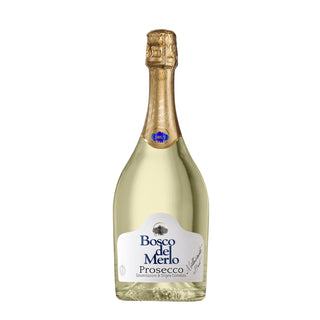
The bottle I reach for most often as an introduction is Bosco del Merlo's Prosecco Millesimato Brut (¥3,300). Apple, pear, and white flower aromas; dry but fruit-forward; a light 11.5% alcohol. Versatile enough to open as an aperitif or to carry through a whole meal.
For a more celebratory table, the same producer's Prosecco Rosé Millesimato (¥3,700) is worth the slight step up. A touch of Pinot Noir in the Glera base gives a pale pink colour that immediately lifts the table.
Quick Guide by Occasion
| Occasion | Recommended Type | Why |
|---|---|---|
| Everyday meals | Prosecco (dry Brut) | Fruity and light; pairs with Japanese and Western food alike |
| Anniversary / proposal | Champagne or Franciacorta | Traditional-method complexity and prestige set the mood |
| Gifts / hostess presents | Prosecco Rosé | Eye-catching pink colour at an approachable price |
| Party / BBQ | Cava or Prosecco | Great value; easy to enjoy in large groups |
| Sweet-tooth guests | Moscato d'Asti | Gently sweet and lightly sparkling; doubles as dessert |
How to Choose, When to Serve, Similar Styles
Think about the occasion. For everyday meals and parties: fruity, affordable Prosecco. For anniversaries or gifts: the complexity of Champagne or Franciacorta. For quality on a budget: Cava, which delivers in-bottle complexity at a fraction of the price. Whatever you choose, pour into a glass with a slightly wider mouth than a flute — it opens the aroma beautifully.
For more ideas, see 5 Versatile Pairing Wines or How to Pair Wine with Japanese Food.
Frequently Asked Questions
Q. What is the difference between Champagne and Prosecco?
A. Region and method. Champagne uses the traditional in-bottle method in France's Champagne region; Prosecco uses the tank method in Italy's Veneto. Prosecco tends to be fruitier and more affordable.
Q. Is "Extra Dry" actually dry?
A. This is the most common confusion. Extra Dry is slightly sweeter than Brut. For a firmly dry style, choose Brut or Extra Brut.
Q. Are there sweet sparkling wines?
A. Yes. Demi-Sec and Moscato-based lightly sparkling wines are sweet and perfect with desserts or as a light after-dinner drink.
Q. How long does it keep after opening?
A. A proper sparkling wine stopper in the fridge will keep the bubbles enjoyable until the next day. The old trick of putting a spoon in the bottle neck unfortunately does not work.
Q. Which sparkling wine should I choose as a gift?
A. Prosecco Rosé is an easy gift choice — the pink colour is eye-catching and the price is approachable, making it welcome at birthdays, send-offs, and welcome parties. If the budget allows, a Franciacorta or a single-vintage Millesimato Prosecco makes a more premium impression.
Q. What should I buy if my budget is around ¥3,000?
A. At this price point, Prosecco gives you the best balance of quality and value. SWIRL’s Prosecco Millesimato Brut (¥3,300) is a single-vintage Millesimato — a step above standard Prosecco in quality at this price range.
Don't save sparkling for special days only — pour it freely at the everyday table. A well-chilled glass makes any evening a little brighter.


Comments (0)
There are no comments for this article. Be the first one to leave a message!