

Acidity in wine is the refreshing quality that makes your mouth water and cleans your palate between bites. The crisp, lively sensation in a dry wine comes mainly from tartaric, malic, and citric acids. Acidity is not simply sourness — it preserves wine's freshness, determines how well it pairs with food, and forms the structural backbone that allows wine to age.
Why Acidity Matters
A wine that lacks acidity is described as "flat" or "flabby." Without acid, there is no lingering finish and the wine feels tiring to drink. When acidity is well-calibrated, it cuts through fat in food, cleanses the palate, and makes you reach for the next sip. This is the primary reason white wine works so well with seafood.
The Main Organic Acids in Wine
| Acid | Character | Where It's Found |
|---|---|---|
| Tartaric acid | Sharp, clean, wine's signature acid | All regions |
| Malic acid | Green apple sharpness; more prominent in cool climates | Chablis, northern Italy |
| Lactic acid | Soft, creamy; produced during malolactic fermentation | Oaked whites, most reds |
| Citric acid | Citrus-fresh; present in small amounts | Most white wines |
How Region Shapes Acidity: Cool vs Warm
Temperature is the biggest driver of acidity. In cooler regions, grapes accumulate sugar slowly while retaining more natural acid. In hot regions, sugars spike rapidly and organic acids degrade, resulting in lower-acid wines.
| Climate | Acidity Style | Example |
|---|---|---|
| Cool (Chablis, Alsace, Mosel) | High, sharp, mineral | Chablis Chardonnay (TA 7–8 g/L) |
| Warm coastal (Tuscany, Liguria) | Medium, refreshing, saline | Maremma Vermentino (TA 5–6 g/L) |
| Hot inland (Sicily, inland California) | Lower, soft, round | Sicilian Grillo (TA 4–5 g/L) |

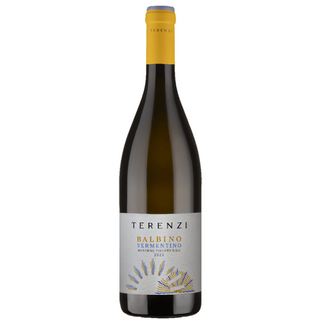
Maremma Toscana, Italy / Vermentino / Dry
¥4,400 (incl. tax)
Shop Now
Acidity by Grape Variety
| Variety | Acidity Profile | In a word |
|---|---|---|
| Riesling | Very high; tartaric-dominant, razor-sharp | Ultimate cut |
| Vermentino | Medium-high; refreshing with mineral saltiness | Sea breeze |
| Sauvignon Blanc | High; grapefruit-sharp | Citrus snap |
| Chardonnay (oaked) | Lower; softened by malolactic conversion | Creamy finish |
| Viognier | Low; aroma-forward with restrained acidity | Perfumed and soft |
A Sardinian Tradition: Is the Vermentino Alive?
In Gallura, northern Sardinia — home of the Vermentino di Gallura DOCG, established in 1996 as Sardinia's only white wine DOCG — granite soils and the coastal maestrale wind give grapes their distinctive sharp acidity. Local producers have long evaluated each vintage by a single question: is the wine vivo (alive) or piatto (flat)? A Vermentino that loses its acid is considered undrinkable by the fishermen's trattorias along the coast. For the coastal communities of Sardinia and Tuscany, acidity is not a technical measurement — it is the wine's life force. Vermentino's natural acidity, shaped by coastal winds and rocky soils, is the very thing that makes it the instinctive pairing for the seafood platters that define Italian coastal life.
Pairing Acidity with Food
| Food Type | Acidity Level | Example Wines |
|---|---|---|
| Fatty fish (salmon, sea bream sashimi) | High | Vermentino, Chablis |
| Lemon or vinegar-based Japanese or Italian dishes | Medium-high | Sauvignon Blanc, Pinot Grigio |
| Cream pasta, cheese dishes | Medium | Light Chardonnay, Gavi |
| Meat dishes, rich sauces | Red-wine acidity (paired with tannins) | Chianti, Barolo |
Tips for Enjoying Acidity at Home
Chilling a white wine makes its acidity more vivid. For Vermentino, serve at 8–10°C and the saline minerality will be at its most expressive. As the wine warms slightly in the glass over 10 to 15 minutes, the acidity softens and the fruit opens up — a simple at-home experiment worth trying.
When I started importing wine to Tokyo, I was immediately confident that Vermentino would work with Japanese seafood. The delicate dashi-based umami of Japanese cooking meets the sea-breeze acidity of coastal Italian wine beautifully. The slightly salty minerality of Vermentino even echoes the salinity of soy sauce — a pairing that feels almost intentional.
Maremma Toscana, Italy / Vermentino / Dry
¥4,400 (incl. tax)
Shop Now
Frequently Asked Questions
Q. What if I find acidity too sharp?
A. Pairing with food mellows the perception. Also try serving slightly warmer (13–15°C) to soften the sharpness.
Q. What's the difference between "sour" and "fresh"?
A. Balance. When acidity is in harmony with fruit and body, it reads as refreshing. When acid dominates alone, it tastes sour.
Q. Is acidity different in red wine?
A. In reds, acidity intertwines with tannins to create a more complex structure. In whites, acidity is more direct and easier to isolate.
Q. What food is Vermentino best with?
A. Seafood across the board — sashimi, shellfish, sea bass, acqua pazza. Anything seasoned with lemon or salt is a natural match.


Comments (0)
There are no comments for this article. Be the first one to leave a message!