

"Does wine really go with curry?" is a question I hear all the time, and the answer is: surprisingly well. When the depth of spice meets the sweetness of ripe fruit, a golden pairing emerges that is entirely different from what beer or tea can offer.
I first discovered this combination at a winery in Manduria, Puglia, where the local winemaker served Primitivo alongside a lamb spice stew. Puglia was under Arab and Norman rule from the 9th to the 12th century, and spices like cumin, coriander and saffron became deeply embedded in the region's culinary tradition. That is precisely why Primitivo, born in this terroir, carries a flavour DNA that naturally resonates with spiced dishes. That single glass over dinner shattered my assumption that curry and wine could never work.
Japan's encounter with curry dates to 1872, when a recipe in the manual Seiyo Ryori Shinan (Western Cuisine Guide) became the earliest known Japanese curry record. Arriving via Britain, curry evolved over 150 years into the uniquely Japanese "roux curry," a dish so popular that surveys show it appears on dinner tables at least once a week. In this guide, I compare the best wine pairings for every type of curry, from Japanese roux curry to Indian and Thai, and share professional pairing principles you can use at home.
Why Wine Works with Curry: The Science of Spice and Fruit
The key to understanding curry-wine pairing lies in knowing how three elements of curry, namely spice heat, roux sweetness and ingredient fat, interact with different components in wine.
Heat (capsaicin) and tannin. Capsaicin, the compound that gives chilli peppers their burn, stimulates TRPV1 pain receptors in the mouth. Tannin astringency acts on those same receptors, so pairing a hot curry with a high-tannin red (Cabernet Sauvignon, Nebbiolo) amplifies both heat and bitterness into an unpleasant sensation. Conversely, a wine with gentle tannins and generous fruit (Primitivo, Grenache) wraps the spice in fruity sweetness and creates a comfortable balance.
Sweetness and fruit harmony. Japanese roux curry contains plenty of sweet elements: grated apple, honey, slowly caramelised onions. An overly dry wine against this sweetness will taste sour. A Primitivo or Syrah, with ripe dark-fruit sweetness, harmonises with the roux while its acidity lifts the dish's richness.
Fat and the physical reset of bubbles. When curry's oils coat the palate, every subsequent bite tastes muted. The carbon dioxide in sparkling wine physically scrubs away that film, refreshing the palate. This is why the seemingly unlikely "curry with sparkling" pairing actually works brilliantly.
Japanese Roux Curry and Wine: Why Primitivo Is the Perfect Match
Japanese roux curry is built on a European-style brown roux base, blended with apple and honey sweetness, onion depth and a complex mix of spices. Whether the protein is beef, pork or chicken, the defining character is always the "sweet-savoury" roux. And the grape variety that matches this profile best is Primitivo.
Primitivo (DNA analysis has confirmed it is the same variety as California's Zinfandel) ripens fully in Puglia's warm climate, developing flavours of black cherry, prune and dried fig alongside a gentle spice note and smooth tannins. This trinity of "fruity sweetness, spicy finish and gentle tannins" harmonises remarkably with the sweet-savoury character of roux curry.
By protein: beef curry pairs best with concentrated reds (Primitivo, Syrah); pork curry with slightly lighter reds (Sangiovese, Dolcetto); and chicken curry with aromatic whites or light reds (Traminer, Barbera). That said, with Japanese roux curry the roux itself dominates the flavour, so choosing your wine by "roux sweetness level" rather than protein is more practical.
Indian Curry and Wine: Choosing by Spice Level
Indian curry demands a completely different approach from Japanese roux curry. The spice palette is broader and heat levels range widely, from mild Kashmiri curries to fiery vindaloo, so the wine choice changes at every step.
Mild (Butter Chicken, Korma): Creamy, gentle curries are superb with aromatic white wines. Traminer (Gewurztraminer) brings lychee and rose aromas that layer beautifully over the spices, while its fuller body stands up to creamy sauces. Off-dry Riesling is another classic match.
Medium (Chicken Tikka Masala, Lamb Rogan Josh): Curries with moderate spice and solid flavour pair well with a lightly chilled light red (Barbera, Sangiovese) or a fruity rose. Rose complements the spice aromas without overpowering them, and its acidity cuts through the oils.
Hot (Vindaloo, Madras): With intensely hot curries, avoid tannic reds at all costs. A slightly sweet sparkling (Prosecco Extra Dry) or an off-dry Moscato will soothe the burn. The chilled bubbles reset the palate while the sweetness calms the pain receptors. The trick is to embrace the heat with sweetness, not fight it.
Thai and Ethnic Curries with Wine
Thai curry is defined by the richness of coconut milk and the herbal freshness of lemongrass and kaffir lime leaves. This "creamy meets herbal" duality calls for different wines on each side.
Green Curry: The heat of green chilli and the freshness of herbs find a natural partner in Sauvignon Blanc, with its grassy aromatics and sharp acidity. Lemongrass and Sauvignon Blanc share citrus-family aromatic compounds, creating a bridge between the wine and the curry. Serve it well chilled and drink it alongside the heat. This is the classic pairing suggested at restaurants in Bangkok.
Red Curry: Milder and richer than green, red curry works with rose or light reds. A Pinot Grigio Rose offers gentle fruit that harmonises with coconut richness while leaving a clean finish.
Massaman Curry: With its peanut and potato richness, Massaman is the most mellow of Thai curries. A fruit-forward red (Primitivo) is a surprisingly excellent match. The sweetness-and-spice balance of Massaman mirrors the structure of Japanese roux curry, so the same red-wine approach works.
Sri Lankan curry and South Indian dal curry (lentil-based) deliver solid spice with moderate heat and a savoury legume backbone. White wines (Soave, Chardonnay) or Prosecco make gentle companions.
Curry-by-Curry Wine Pairing Chart
Use the table below for a quick reference of curry types and their best wine matches.
| Curry Type | Heat | Best Wine | Why It Works |
|---|---|---|---|
| Japanese Roux Curry (Beef) | Medium | Primitivo | Fruit sweetness meets sweet-savoury roux |
| Japanese Roux Curry (Pork) | Medium | Sangiovese, Primitivo | Acidity lifts pork fat |
| Butter Chicken | Low | Traminer, Viognier | Floral aromas layer with spice |
| Chicken Tikka Masala | Medium | Rose, Barbera | Light fruit complements tandoori char |
| Vindaloo | High | Moscato, Prosecco | Sweetness and bubbles tame the burn |
| Green Curry | High | Sauvignon Blanc | Citrus aromatics harmonise |
| Red Curry | Medium | Rose, Pinot Grigio Rose | Fruit and coconut in balance |
| Massaman | Low | Primitivo, Syrah | Sweet-spice structure mirrors roux curry |
| Seafood Curry | Medium | Prosecco, Pinot Grigio | Bubbles and acidity lift seafood umami |
| Keema Curry | Medium | Primitivo, Morellino | Fruit sweetness complements minced meat |
5 Tips for Pairing Wine with Curry
Here are five practical principles for making curry-wine pairings work every time.
1. Always chill your wine. Even reds should be served at 14-16 °C (about 15 minutes out of the fridge) when paired with curry. Spice raises your body temperature, so a room-temperature wine feels heavy. Whites and sparkling at 6-8 °C. The rule for curry is: a degree or two colder than usual.
2. Match the roux, not the meat. With Japanese curry, the roux flavour drives the pairing more than the protein. Mild roux pairs with fruity reds; hot roux with off-dry whites or sparkling. Remember this principle and you will never go wrong on a first attempt.
3. Avoid high-tannin reds. Cabernet Sauvignon, Nebbiolo and other tannic wines clash with curry spice. On curry night, reach for "gentle-tannin reds" or "whites, rose, sparkling."
4. Use palate cleansers. When eating Indian curry, a bite of raita (yoghurt salad) or kachumber (fresh vegetable salad) between mouthfuls resets the palate so you can appreciate the wine's delicate aromas. With Japanese curry, fukujinzuke (pickled relish) and rakkyo (pickled shallots) serve the same role.
5. Start with sparkling. If you are planning a curry dinner and cannot decide on one wine, go with a two-bottle setup: sparkling (Prosecco Brut) for the toast, red (Primitivo) with the main curry. This sparkling-to-red progression mirrors the Italian table: "spumante for the primo, red for the secondo," and it works beautifully with a curry dinner too.
What to Avoid: Wines That Clash with Curry
Knowing what works is only half the picture. Steering clear of bad matches is equally important.
Full-bodied, high-tannin reds. Barolo, Brunello di Montalcino and heavy Cabernets amplify spice and tannin together, leaving the palate dry and the burn lingering. Even a superb bottle cannot perform at its best against curry. The smart move is to save the prestige reds for another night.
Heavily oaked Chardonnay. New World-style Chardonnays with bold butter and oak flavours clash with curry spice, muddying the palate. If you want white, choose stainless-steel-fermented, fresh styles such as Soave, Pinot Grigio or Traminer.
Ultra-sweet dessert wines. Noble-rot wines and Vin Santo are too sweet for curry; the sugar stands apart unnaturally. "Slightly sweet" (around the residual sugar level of Moscato d'Asti) is the upper limit.
SWIRL Picks: 4 Wines for Curry Night
From the SWIRL selection, here are four wines whose curry compatibility we have tested first-hand.
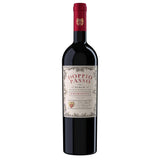
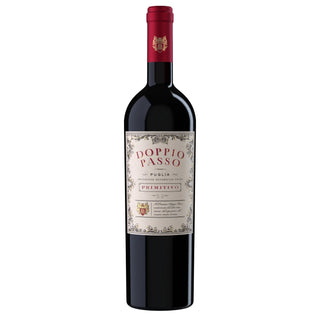
The best match for Japanese roux curry. Concentrated dark fruit and a spicy finish sync perfectly with sweet-savoury roux. Ideal for beef, pork and keema curries. Tax-included price: ¥2,750.
Doppio Passo Primitivo 2024Doppio Passo
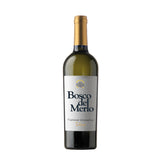
The partner for Butter Chicken and creamy Indian curries. Lychee and rose aromas weave beautifully through the spice. Tax-included price: ¥3,080.
Traminer Aromatico Ibisco 2023Bosco del Merlo
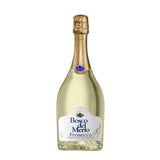
A toast for curry dinner, or the perfect companion for seafood curry. Fine bubbles reset the spice and leave the palate clean. Tax-included price: ¥3,300.
Prosecco Millesimato Brut 2024Bosco del Merlo
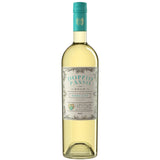
The rescuer for fiery curries. Muscat's gentle fruit sweetness and a hint of fizz wrap around the heat. A must for vindaloo and green curry. Tax-included price: ¥2,750.
Doppio Passo Moscato 2024Doppio Passo
Frequently Asked Questions
Q. Beer or wine with curry: which is better?
A. Both work, but they play different roles. Beer's carbonation and bitterness "wash away" the spice, while wine's fruit and aroma "harmonise with" it. Choose beer when you want to enjoy the curry's flavour simply; choose wine when you want to explore new dimensions of taste. In particular, the combination of roux curry and Primitivo offers a "sweet-savoury meets dark fruit" harmony that beer cannot replicate.
Q. Does wine work with curry udon or curry bread?
A. For curry udon, sparkling wine (Prosecco) is recommended because the bubbles highlight the dashi broth's delicate umami while refreshing the heavier curry element. Curry bread is deep-fried, so a white with crisp acidity (Sauvignon Blanc) or sparkling cuts through the oil effectively.
Q. Can I bring wine to a spice-curry restaurant?
A. If the restaurant allows BYO, absolutely. In fact, more and more specialty spice-curry shops in Japan now stock natural wines on their own. For a BYO bottle, a well-chilled Primitivo or Prosecco is the most versatile choice. Letting the staff know your pairing intention sometimes results in them adjusting the curry's spice level for you.
Q. I'm serving mild curry for the kids and hot curry for the adults. Can one wine cover both?
A. For a single-bottle solution, a slightly chilled Primitivo is the most versatile pick. Its fruit sweetness harmonises with mild curry, while its gentle tannins avoid clashing with hot curry. If you can open two bottles, Primitivo for the mild and Prosecco for the hot is the perfect combination.
Q. Any recipes that use leftover wine in curry?
A. A tablespoon or two of leftover red wine stirred into roux curry just before serving adds acidity and depth for a richer flavour. Leftover white wine, splashed over seafood while sauteing for a seafood curry, removes fishiness and concentrates umami. The rule: always cook with wine that tastes good on its own.
References: On the interaction between capsaicin and TRPV1 receptors, see E. Szolcsanyi, 2004, "Forty years in capsaicin research for sensory pharmacology and physiology," Neuropeptides; for the history of curry in Japan, see Keiko Kosuge, Nippon Yoshoku Monogatari Taizen (1994, Chikuma Bunko) and Keigakudo Shujin, Seiyo Ryori Shinan (1872); on Arab cultural influence in Puglia, see F. Ferraris, "La cucina pugliese fra Oriente e Occidente" (2011).


Comments (0)
There are no comments for this article. Be the first one to leave a message!