

A winter evening. Steam rises from a clay donabe pot on the table. Napa cabbage turns translucent and the fat from sliced pork belly melts slowly into the broth. You take a sip of Primitivo. The pot's umami spreads hot across your palate, and the wine's fruit and acidity merge right into it. Beer would wash away those delicate dashi nuances, but wine sits alongside them, lifts them, and builds a bridge to the next bite.
Nabe (hot pot) is one of the Japanese dishes where wine pairing works best. Multiple ingredients mingle with broth in a single pot, and the flavor evolves over time. This quality of a "dish in motion" resonates with the way a wine's temperature and aromatics shift in the glass, turning a meal into a complete experience.
Why Nabe and Wine Are a Natural Match
Three factors make nabe especially wine-friendly.
1. Layered umami: Dashi from kombu and bonito, protein-based umami from meat and seafood, and sweetness from vegetables build on one another as the pot simmers. These multiple layers of umami interact with a wine's fruit and acidity on many levels, giving nabe a wider pairing range than a simple grilled dish.
2. Temperature shifts: Nabe starts boiling hot, then cools slightly as you transfer ingredients to your individual dish. This temperature gradient draws out the fruit of a red wine at just below room temperature and pleasantly highlights a white wine's acidity.
3. Variety of dipping sauces: Ponzu's citrus tang, the richness of sesame sauce, the spice kick of yuzu kosho. The same pot paired with a different sauce changes the flavor direction entirely, inviting you to try more than one wine in a single meal.
Debunking the "Wine Doesn't Go with Nabe" Myth
"Nabe calls for beer or sake" is something you hear all the time. But this assumption usually comes from equating red wine with heavy, tannic heavyweights. In reality, Italian reds with generous fruit and gentle tannins (Primitivo, Sangiovese) blend remarkably well with the umami of soy sauce and miso.
Think about European stews: French pot-au-feu, Italian bollito misto. Structurally they are the same thing as nabe: protein, fat, aromatic vegetables, and liquid heated together in one pot. Wine is served with those dishes as a matter of course. Japanese nabe works on exactly the same logic.
Pairing Guide by Nabe Type
| Nabe Type | Flavor Profile | Recommended Wine Style | Why It Works |
|---|---|---|---|
| Shabu-shabu (ponzu) | Delicate broth, citrusy acidity | Light red (Sangiovese) | Gentle tannins and cherry fruit harmonize with ponzu's acidity |
| Shabu-shabu (sesame sauce) | Creamy richness, sweetness | Fruit-forward dry white | White wine's acidity refreshes the oiliness of sesame |
| Sukiyaki | Sweet-salty soy glaze, beef umami | Fruit-rich red (Primitivo) | Ripe-fruit sweetness echoes the sugar and soy in warishita |
| Kimchi nabe | Spicy, umami-rich, lactic tang | Sparkling or bold fruity red | Bubbles reset the heat; a red's fruit wraps the fermented umami |
| Yudofu / Mizutaki | Mild, delicate dashi umami | Light dry white (Pinot Grigio) | Understated acidity and fruit complement without overpowering |
| Motsu nabe | Rich umami, fatty depth, garlic | Red with tannin (Primitivo) | Tannins cut through the fat; spiciness matches the garlic |
| Tonyu nabe (soy milk) | Creamy, gently sweet | Unoaked dry white | Fresh acidity tightens the roundness of soy milk |
Temperature Management: Boiling Pots and Proper Wine Temps
"Won't the steam from the pot warm up my wine?" is a common worry, but it is rarely a real problem. Red wine's ideal range is 15 to 18°C, slightly below room temperature. Even with a glass sitting next to the pot, a normal drinking pace keeps the wine near that sweet spot.
A few practical tips for the concerned: chill your red in the refrigerator for just 15 to 20 minutes before opening, so that any warmth from the pot's steam brings it into the perfect range rather than past it. For white wine and sparkling, a small ice bucket on the table is all you need.
One more important point: let the food rest for a moment after transferring it from the pot to your dish. Ingredients scooped straight from a boiling pot are hot enough to scald, and at that temperature you cannot taste wine accurately. A brief pause on the plate dramatically improves pairing precision.
Lessons from Italy's Stewing Culture
When I think about pairing wine with nabe, the dish that always comes to mind is Caldariello, a winter staple from the Salento area of Puglia. Lamb is simmered slowly with sheep's milk, olive oil, onion, parsley, garlic, and wild fennel. From Lecce across the entire Salento peninsula, this dish is an essential part of the winter table. Locals pair it with Primitivo as a matter of course, and the idea that "rich, fatty protein calls for Primitivo" traces directly back to this food culture.
Caldariello is virtually unknown in Japan, yet when you analyze its structure, the parallels to nabe are striking: animal protein, fat, aromatic vegetables, and liquid merging slowly in a single pot. That is precisely why the same reasoning works when you pair Primitivo with motsu nabe or sukiyaki.
Nabe Flavor → Wine Selection Flowchart
What does the broth taste like?
↓
Light & delicate (yudofu, mizutaki, shabu ponzu)
→
Dry white or light red
Sweet-savory & rich (sukiyaki, motsu nabe)
→
Fruit-rich red
Spicy & fermented (kimchi nabe)
→
Sparkling or bold fruity red
Creamy (tonyu nabe, sesame sauce)
→
Crisp dry white
Swirl's Picks: Four Bottles for Nabe Season
These four wines cover virtually any nabe you throw at them. Keep a red, a white, and a sparkling on hand, and you can switch glasses to match whatever is bubbling in the pot.
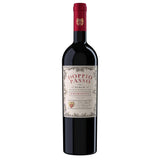
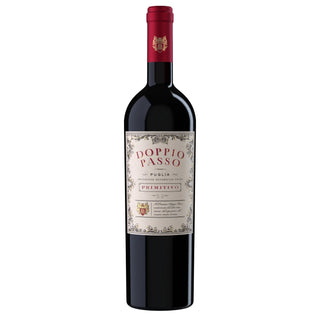
Primitivo from Puglia's Salento. Concentrated dark cherry and plum with a hint of spice. Soft tannins make it a perfect partner for sukiyaki's sweet-soy glaze and motsu nabe's miso richness. First and exclusive import to Japan.
Doppio Passo Primitivo 2024Doppio Passo
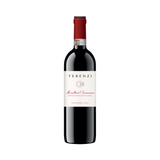
Sangiovese from Tuscany's Maremma coast. Vibrant cherry and violet aromas with a thread of sea-breeze minerality. A lighter red that sits gracefully alongside ponzu-dipped shabu-shabu or the delicate broth of yosenabe.
Morellino di Scansano 2023Terenzi
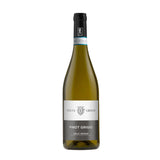
A crisp dry white shaped by northern Italy's cool climate. Sharp acidity with refreshing pear and apple fruit. The go-to bottle for yudofu, mizutaki, and any nabe where you want the wine to complement without competing.
Pinot Grigio 2024Tenuta Grimani
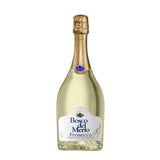
A dry sparkling from Veneto. Fine bubbles and crisp green-apple acidity reset the heat of kimchi nabe and lift every bite that follows. Also the ideal toast to kick off a nabe party.
Prosecco Millesimato Brut 2024Bosco del Merlo
A Practical Guide to Nabe and Wine at Home
Start here if you're new to it: Prosecco and kimchi nabe. The refreshing effect of the bubbles against the spice is immediately obvious, and you will get the appeal of "nabe + wine" in a single sitting.
When to open the red: Uncork it after the pot starts simmering and the wine will naturally approach serving temperature. Begin with sparkling or white for the toast, then switch to red once the ingredients are cooked through.
The shime (finishing course) question: Zosui rice porridge or udon noodles added at the end concentrate the broth's umami to its peak. Continuing with red wine works beautifully, but if you want to focus on the shime alone, switching to sake is a fine move too. Sparkling is best finished before the shime stage.
Solo nabe, solo bottle: A half bottle (375 ml) or a screw-cap wine makes portion control easy. One-person nabe plus a half bottle of Primitivo is one of winter's finest solo pleasures.
Frequently Asked Questions
Can I add wine directly to the nabe broth?
Adding white wine to the broth works well. About two tablespoons of dry white in 200 ml of dashi adds an extra layer of acidity and umami that rounds out the broth. Red wine will stain the liquid, so it is better suited to tomato-based or Western-style stew pots.
Can families with children still enjoy nabe with wine?
Absolutely. As long as you are not adding wine to the pot itself, children eat the nabe as usual. Simply setting wine glasses on the table alongside the nabe elevates an everyday dinner into something a little more special.
Can I use leftover wine the next day?
An opened red keeps in the refrigerator for two to three days; whites and sparkling for one to two days. Leftover red is excellent in the next day's curry or pasta sauce. Leftover sparkling poured over fresh fruit makes a quick dessert.
Are there nabe-friendly wines for people who dislike dry reds?
A slightly sweet sparkling such as Doppio Passo Moscato softens the spice of kimchi nabe. Pinot Grigio, with no tannins and an easy-drinking profile, is also a great entry point for those who find red wine too bold.
How many bottles should I prepare for a nabe party?
For four people over two to three hours, one sparkling and one red (two bottles total) is a good baseline. Add a white for three bottles and you can cover everyone's preference as the pot evolves. A standard 750 ml bottle pours about six glasses, so adjust for the group size and drinking pace.
References: McGee, H. (2004). On Food and Cooking: The Science and Lore of the Kitchen. Scribner. / Goldstein, D. (2015). The Oxford Companion to Sugar and Sweets. Oxford University Press. / Tsuji Culinary Institute (2018). The Art of Japanese Cooking.


Comments (0)
There are no comments for this article. Be the first one to leave a message!