

What Wine Goes with Ramen? A Counterintuitive Pairing That Actually Works
Pairing wine with ramen means matching the character of your broth with the acidity and body of the wine. When you think about it, ramen is a rich, nuanced dish built on layers of umami, fat, salt, and spice. These are exactly the elements that wine handles every day. The real question is which style of wine complements which style of broth.
The Common Misconception About Ramen and Wine
Many people assume beer is the only drink that goes with ramen, or that wine is simply too delicate for such a bold dish. This is a misconception worth correcting. A bowl of tonkotsu ramen has more structural complexity than many steak dishes. A sparkling wine's bubbles cut through pork fat the same way they cut through a cream sauce in Italian cooking. The challenge is not whether wine works with ramen; it is knowing which wine to reach for.
Pairing by Broth Style
| Broth Style | Wine to Choose | Reason |
|---|---|---|
| Shio (Salt) | Sparkling wine, dry white | Bright acidity mirrors the clean, delicate broth |
| Shoyu (Soy Sauce) | Light red, Pinot Noir | Savory umami in soy finds a counterpart in earthy reds |
| Miso | Amber wine, full white | Fermented depth pairs with oxidative or rich-bodied wines |
| Tonkotsu (Pork Bone) | Sparkling wine, Vermentino | Bubbles and acidity cut through the fat-rich broth |
| Tantanmen | Dry rose, off-dry white | Spice is tamed by slight sweetness or refreshing acidity |
| Tsukemen (Dipping) | Structured white, Chardonnay | Concentrated broth needs body and minerality to match |
A Cultural Note: Why Prosecco's Grape Was Renamed
In 2009, the EU reclassified Prosecco from a grape variety name to a geographic indication (GI), and the grape itself was renamed "Glera." This change was made to protect the Prosecco DOC and DOCG zones in Veneto and Friuli from imitations produced elsewhere in the world. Before 2009, any wine made from the Glera grape could legally be called Prosecco regardless of where it was produced. The GI protection changed that. Today, authentic Prosecco undergoes secondary fermentation in stainless steel tanks (the Charmat method), which produces fine, persistent bubbles and preserves the grape's fresh, green-apple, and floral character.
That freshness is exactly what a tonkotsu or shio broth needs. The pork fat coats the palate; Prosecco's carbonation and acidity lift it away between sips, allowing you to taste each mouthful of broth as clearly as the first.
Enjoying the Pairing at Home in Japan
Japan is an ideal country for wine and ramen pairing because the quality of ramen here is extraordinarily high. Each region and each shop has its own philosophy. For home cooking, a packet of quality ramen with a well-made shio tare is all you need. Chill a bottle of Prosecco to around 6 to 8 degrees Celsius, open it just before the noodles are ready, and pour it into a regular wine glass. The combination works as well at a kitchen table as it does in a restaurant setting.
For restaurant visits, many mid-range izakaya and ramen bars now carry wine by the glass. A dry sparkling wine or a light red ordered alongside a bowl of shoyu ramen surprises most guests in the best possible way.
Federico's Recommendation
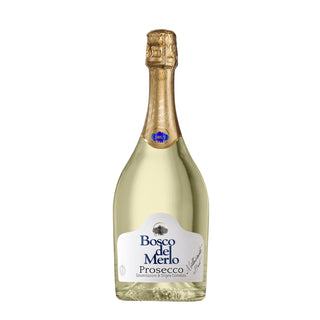
The wine I reach for most often with ramen is the Prosecco Millesimato Brut. Made from 100% Glera grapes in the hills of Veneto, it carries the geographic indication protection that dates back to the 2009 EU regulation. Vintage-dated (millesimato means single-vintage), it is crisper and more complex than a standard non-vintage Prosecco, and handles the richness of a tonkotsu bowl or the spice of a tantanmen with equal ease. The in-bottle secondary fermentation (metodo classico style) of millesimato gives it a finer bead and longer finish than the standard Charmat method.
How to Choose, Serve, and Explore Further
A practical guide: for shio and tonkotsu, sparkling wine is the default. For shoyu, try a light red with low tannin. For miso, experiment with an orange or amber wine if you want something adventurous, or a full-bodied white if you prefer something approachable. Serving temperature: Prosecco at 6 to 8 degrees Celsius; a light red at 14 to 16 degrees Celsius.
For further reading: the Vermentino Grape Guide covers a coastal Italian white that pairs beautifully with lighter broths. Wine Pairing with Yakitori shares the same logic of matching acidity to savory, umami-rich dishes.
Frequently Asked Questions
- Can red wine really go with ramen?
- Yes. A low-tannin red such as Pinot Noir or a light Sangiovese works well with shoyu and miso ramen. High-tannin reds clash with the salt and umami, so avoid big Cabernets with most broth styles.
- Why does Prosecco's grape have two names?
- The EU's 2009 geographic indication ruling renamed the grape from "Prosecco" to "Glera" to prevent producers outside the Veneto and Friuli zones from labeling their wines as Prosecco. The wine itself kept the Prosecco name; only the grape was renamed.
- Is sparkling wine a safe choice across different ramen styles?
- Dry sparkling wine is the most versatile option. It works well with shio, tonkotsu, and tantanmen, though it is less ideal for miso broths where a fuller-bodied white may be a better fit.
- What about instant ramen?
- It works. High-quality instant ramen with a shio tare packet is a real dish. A chilled glass of dry sparkling wine alongside it is a surprisingly good combination for a weeknight at home.
- What is the most common mistake when pairing wine with ramen?
- Choosing a wine that is too heavy. A full-bodied Chardonnay with heavy oak, or a tannic red Bordeaux, tends to overwhelm most broth styles rather than complement them. Start light and fizzy; adjust from there.


Comments (0)
There are no comments for this article. Be the first one to leave a message!