

Before you reach for a beer with yakitori, try wine — you won't look back.
As a sommelier born in Tuscany, the first thing that surprised me when I arrived in Tokyo was the untapped pairing potential of yakitori. The umami of chicken grilled over binchōtan charcoal, the caramelized sweetness of tare sauce, the minerality of shio — all of it resonates beautifully with Italian red wines.
Yakitori and wine pairing is about matching the fat content, salt level, and umami of each skewer to a wine's tannin, acidity, and fruit character. Because the flavour profile changes dramatically from cut to cut, you can either find one versatile wine for the whole table or switch glass by glass — both approaches are enjoyable.
The Common Misconception: Beer Isn't the Only Option
"Beer with yakitori" is deeply embedded in Japanese culture, but once you try wine alongside skewers, a completely different experience opens up.
Southern and central Italian reds — Primitivo, Sangiovese — have a charcoal-smoke resonance and fruit depth that amplifies the chicken's umami rather than competing with it. Most guests who try it say the same thing: "Why haven't I done this before?"
Cut-by-Cut Pairing Chart
Each cut has its own personality. Matching the wine to the cut makes every skewer a different experience.
| Cut | Flavour Profile | Wine Match | Why |
|---|---|---|---|
| Negima (thigh + leek) | Balanced umami — the most versatile cut | Primitivo, Sangiovese | Fruit and umami amplify each other |
| Tsukune (meatball) | Egg and garlic-enriched, rich | Full-bodied red (Barbera, Primitivo) | Match richness with richness |
| Torikawa (skin) | High fat, crispy texture | Sparkling Brut | Bubbles cut through fat and reset the palate |
| Reba (liver) | Iron-forward, intense | Off-dry white (Moscato), light red | Sweetness moderates the iron note (contrast pairing) |
| Sunagimo (gizzard) | Chewy, light, clean | Dry white (Vermentino, Soave) | Clean acidity lifts the delicate flavour |
| Seseri (neck) | Elastic, well-balanced fat | Medium red (Sangiovese) | Soft tannin meets the meat's natural sweetness |
| Bonjiri (tail) | Highest fat content of all cuts | Full-bodied red (Primitivo) | Generous fat needs generous fruit |
Tare vs. Shio: Switching Wine by Sauce
In Italy, changing wine to match different seasonings is standard practice. Applying that logic to yakitori's tare and shio gives you a two-act meal.
| Seasoning | Character | Recommended Wine Style |
|---|---|---|
| Tare (sweet soy glaze) | Sweet-savoury, umami-rich | Fruit-forward red (Primitivo) — the umami resonates |
| Shio (salt) | Clean, ingredient-forward | Dry white or light red (Vermentino, Pinot Noir) |
A fascinating historical parallel: Yakitori's skewer-grilling culture took root during the Meiji era (1868-1912). Before this period, Buddhist-influenced food taboos around four-legged animals were still observed in parts of Japan; it was chicken — easily grilled on a skewer — that spread freely as the taboo lifted. In Puglia at the same time, farmers working the Primitivo vineyards were grilling meat over wood fire as a daily tradition. Two cultures, two continents, converging on the same flavour truth: charcoal plus protein needs a rich, warm red wine.
Practical Tips for Enjoying Wine at Izakayas in Japan
Tokyo's izakayas and yakitori-ya are increasingly offering wine. Here's how to navigate it.
Decide on your skewers first, then choose the wine. If you're centring the meal around negima and tsukune, a fruit-forward red is your anchor. If it's gizzard and skin, lean white or sparkling. Work backwards from the skewer.
When there's only one glass option, a red works more broadly across tare skewers than white does. For shio skewers, white is the safer call.
For home grilling using convenience store or supermarket yakitori packs: a quick pass under the grill for 1-2 minutes before serving adds enough charred aroma to make the wine pairing come alive. Microwave alone doesn't cut it for this purpose.
Federico's Recommendation: Primitivo with Yakitori
The wine I recommend most for a yakitori pairing session is Primitivo from Puglia. The grape's natural affinity with charcoal-cooked meat comes from its origin — the hot, dry interior of southern Italy, where wood-fire cooking has been the norm for centuries.
Violet and cacao on the nose, rich black fruit, soft tannin, and a warm, lingering finish. Set that alongside tare-glazed negima or a juicy tsukune, and both the wine and the food become more than they were alone.
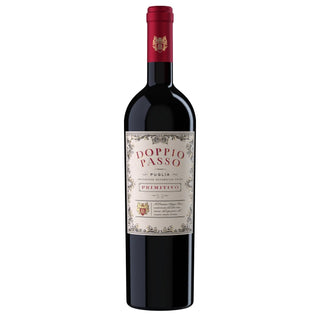
What I often serve is our Doppio Passo Primitivo. Made from sun-ripened Puglia Primitivo, best enjoyed around 15°C. Negima, tsukune, bonjiri — it handles them all naturally.
Summary: The Pairing Rules
① High-fat cuts (bonjiri, torikawa): full-bodied red or sparkling Brut
② Lean cuts (sunagimo, sasami): dry white
③ Tare: fruit-forward red; shio: white or light red
④ Liver and iron-heavy cuts: off-dry white (contrast)
⑤ When in doubt: Primitivo covers virtually all tare skewers
Related articles: Steak and Wine Pairing, Pasta and Wine Pairing
Frequently Asked Questions
Q. Does rosé work with yakitori?
A. Very well, especially dry rosé with shio skewers. The fruit and acidity balance handle the chicken fat cleanly.
Q. I also love sake — does wine actually work better?
A. It's neck-and-neck. For tare skewers, red wine's fruit character stands out distinctively. For shio skewers, a good ginjo sake and a dry white are equally well-matched — it comes down to mood.
Q. Can a very tannic wine work with yakitori?
A. Heavily tannic wines (young Barolo, for instance) can feel harsh against chicken fat. Primitivo's soft tannin is why it works so well here. Keep the tannin-to-fat ratio in mind.
Q. What's the best single bottle to bring to a large yakitori group?
A. A medium-bodied red with good fruit and acidity — Sangiovese or Primitivo — covers the most skewer types. Sparkling Brut is the other safe all-rounder that handles both tare and shio equally well.
Q. Can I pair wine with convenience store yakitori packs?
A. Absolutely. The trick: give them 1-2 minutes under a grill or in a fish roaster before serving. The added char is what makes the wine pairing click.


Comments (0)
There are no comments for this article. Be the first one to leave a message!