

Rosé wine is the best of both worlds, a versatile wine that flatters both meat and fish. It is often seen as merely sweet and light, but a dry rosé is one of the most useful all-rounders on the table.
Hi, I am Federico, and I pour Italian wine across Tokyo. People often tell me they do not know which rosé to choose, but once you understand the types it becomes a very dependable bottle.
A common misconception: rosé is sweet, a wine for the look of it
Many people picture rosé as sweet, or as a wine you drink for the mood. Yet most of the rosé drunk at the European table is dry. Colour depth is not about sweetness; it comes from how long the grape skins stay in contact with the juice. A pale salmon colour tends to mean crisp and dry, a deeper colour means more fruit and body. Keep that in mind and rosé becomes easy to choose.
Taste profile
| Item | Tendency |
|---|---|
| Body | Light to medium |
| Acidity | Bright and refreshing |
| Tannin | Very light |
| Aroma | Strawberry, raspberry, citrus, white flowers |
| Serving temperature | 8 to 10C (well chilled) |
How style changes by type and region
| Type / region | Style | Easy matches |
|---|---|---|
| Pale and dry (Provence and similar) | Light and delicate, citrus and flowers | Salad, starters, white fish |
| Pinot Grigio rosé / ramato (northeast Italy) | Coppery tint, gentle body and savoury depth | Salmon, chicken, tomato dishes |
| Deeper and dry (southern Italy and similar) | Fuller fruit and body | Grilled meat, tare-glazed dishes, spiced food |
| Sweet / lightly sparkling rosé | Gentle sweetness and bubbles | Dessert, fruit, mildly spicy food |
There are two main ways to make rosé. One is to draw off some juice early while making a red wine (the saignée method); the other is to press black grapes gently and remove the skins straight away (direct pressing). In both, the time on the skins sets the colour and the flavour. In Friuli and Veneto in northeast Italy there is an old tradition of leaving Pinot Grigio on its skins long enough to turn a coppery shade, called ramato (meaning coppery). In Japan, where Pinot Grigio is known as a pale white, it surprises people to learn it was originally drunk as a tinted rosé. On the shores of Lake Garda, Bardolino in Veneto makes a pale, charming rosé called Chiaretto, a summer-table staple for the locals.
How to enjoy it in Japan and what to serve (the heart of it)
The strength of rosé is its range: it can meet red-fleshed fish and tare-glazed meat alike. Here are the pairings I most often suggest.
With autumn salmon, reach for a rosé with a little body. It stands up to the fat without drawing out any fishiness. With red-fish sushi, zuke (marinated tuna) and katsuo (bonito), a rosé that is lighter than red wine sits just right. It is also an all-rounder with yakitori in tare sauce, pork shabu-shabu, tomato-based pasta and Chinese starters. In Japan rosé is often assumed to be sweet, but put a dry rosé on the table once and its usefulness wins people over. At home, chill to 8 to 10C and an ordinary white wine glass is plenty; a slightly larger glass lets the aromas open. For drinking outdoors, at a picnic or under the cherry blossoms, a screwcap bottle is easy and worry-free.
Federico's picks
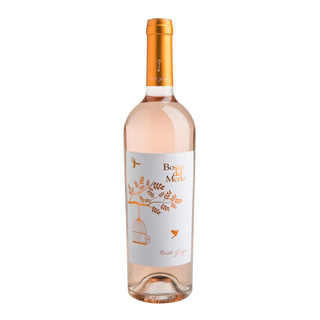
The bottle I most often pour as a first choice is Pinot Grigio Rosé. In the ramato tradition I mentioned above, it has a coppery tint and a dry palate, with strawberry and citrus aromas and a touch of savoury depth, suiting salmon, tomato dishes and a wide range of Japanese food. On days you want to add sparkle, pour Prosecco Rosé Millesimato, and for meat or a barbecue, the fruit-rich Napa Valley Bon Ton Rosato. One rosé can set the whole table.
How to choose, serving, and similar styles
To choose, use the depth of colour in the glass as your guide. A pale colour suits light starters and white fish; a deeper colour suits meat and spiced food. The serving temperature is 8 to 10C: too cold and the aromas close up, so wait a few minutes after taking it from the fridge. A similar move is a light red served slightly chilled, which plays a close role at the table. See also How to choose rosé wine, What is Pinot Grigio Rosé (ramato), and Wine with salmon.
FAQ
Q. Is rosé wine sweet?
A. Not all of it. Most of the rosé drunk with meals in Europe is dry. Use the word Dry on the label and a pale colour as your guide, and you will find a bottle that suits food.
Q. What does rosé pair with best?
A. Red-fleshed fish and salmon, tare-glazed meat and tomato dishes are its home ground. The more you hesitate between red and white, the more cleanly rosé ties the dish together.
Q. What is the most common mistake?
A. Judging sweetness by colour alone. There are plenty of dry rosés with a deep colour. If in doubt, ask the shop for a dry rosé.
Q. Any tips on chilling?
A. Aim for 8 to 10C. Too cold and the aromas hide, so take it out of the fridge and wait a few minutes to let the fruit open.
Rosé is a wine for every season. Tonight's table deserves a well-chilled dry rosé.


Comments (0)
There are no comments for this article. Be the first one to leave a message!