

Rosé is a wine made by drawing only a pale colour from the skins of black (red) grapes, sitting between red and white. Its pink colour makes many people assume it is sweet, but in reality most rosé is dry. Well chilled, it is the most versatile bottle you can put on a summer table.
Pouring Italian wine across Tokyo, from late June I hear the same request more and more: something light, well chilled, that goes with anything. My first suggestion, as Federico, is almost always rosé.
A common misconception: rosé does not mean sweet
The most common assumption in Japan is that rosé is sweet. The pink colour looks sweet, but the rosé people drink every day in Europe is mostly firmly dry. Telling them apart is simple: read the label. Brut, Secco or Sec, or 辛口 (dry) means crisp and dry. Dolce, Demi-Sec, or 甘口 (sweet) means sweeter. The depth of colour has nothing to do with sweetness.
How rosé tastes
Aromas of red fruit (strawberry, raspberry, cherry) over a light, white-wine-like acidity. Tannin (the drying grip) is very gentle, and the freshness sharpens the more you chill it.
| Item | Tendency |
|---|---|
| Body | Light to medium |
| Acidity | Medium to high (pleasant when chilled) |
| Tannin | Very light |
| Aromas | Strawberry, raspberry, citrus, sometimes flowers |
| Serving temperature | 8 to 10°C (sparkling a little lower, 6 to 8°C) |
How style changes by region
| Region | Style |
|---|---|
| Provence (southern France) | Very pale, dry and mineral. The world benchmark for rosé |
| Italy (Bardolino Chiaretto, Cerasuolo in Abruzzo) | A good balance of fruit and body |
| Sparkling rosé (such as Prosecco Rosé) | Lively bubbles, from aperitif to the meal |
| New World (California and others) | Fruit-forward and easy to read |
A rosé's colour comes from macerating the skins of black grapes in the juice for only a short time (the saignée method) or from gently pressing them (direct press). The shorter the maceration, the paler the pink. In other words, the difference in colour is a difference in winemaking, not in sweetness.
Here is something lovely from a southern French summer: filling a large glass with plenty of ice and pouring rosé over it, a style called rosé piscine (swimming-pool rosé). It took off on the beaches of Saint-Tropez, and there are even rosés made specifically so they do not turn watery over ice. Ice in wine surprises people in Japan, but on a warm afternoon terrace or by the pool, it is the most refreshing way to drink it.
How to enjoy it in Japan, and what to pair
Because rosé carries both the freshness of white and the savouriness of red, it bridges to Japanese dishes built on dashi, aromatics and a little fat: salmon sashimi or carpaccio, prosciutto and melon, chirashi sushi, yakitori (salt), ebi chili, tempura, and in summer even hiyashi chuka (chilled noodles). It is not a special-occasion wine; it is exactly the bottle to open casually on a weeknight.
No wine cellar needed. Chill it well in the fridge, and on a hot day drop in a single ice cube, southern-France style. If you worry about dilution, float some frozen berries or grapes: it looks cool and keeps the flavour from thinning. At my place too, in summer I most often pair a sparkling rosé with salmon or prosciutto.
Federico's pick
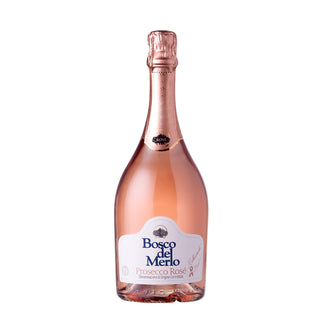
In summer the one I most often pour is Prosecco Rosé Millesimato from the Veneto producer Bosco del Merlo. It blends a little red Pinot Noir into Prosecco's Glera grape for a pale pink sparkling wine. Floral and light, it moves happily from a pre-dinner glass to a fish course. Part of its sales is also donated to breast cancer prevention, a story I share in this article.
Choosing and serving
For an aperitif or light dishes, reach for a dry, pale sparkling rosé or a Provence style. For richer food, an Italian rosé with more fruit is a reliable partner. Serve at 8 to 10°C, sparkling at 6 to 8°C. Over-chilling closes the aromas, so take it out of the fridge a little before serving. If you like light reds, lightly chilling a Pinot Noir is a close cousin of drinking rosé. If you prefer whites, see our guides to Pinot Grigio and Prosecco.
FAQ
Q. Is rosé a sweet wine?
A. No, most are dry. Look for Brut, Secco or 辛口 on the label. Depth of colour has nothing to do with sweetness.
Q. How long does it keep once opened?
A. Around 2 to 3 days in the fridge with a stopper. Sparkling rosé is best finished the same day or the next.
Q. Can I add ice?
A. In southern France, rosé piscine is the norm. If dilution bothers you, use less ice, or float some frozen berries.
Q. A common mistake?
A. Serving it too cold, or too warm. 8 to 10°C brings out the aromas and fruit best.
When it is hot, relax and open a bottle. Start with a well-chilled rosé.


Comments (0)
There are no comments for this article. Be the first one to leave a message!