

Italy is the world's great wine nation — every region produces wine, and each has its own distinctive grapes and styles. From Barolo in Piedmont to Chianti Classico in Tuscany and the sun-drenched vineyards of Puglia, knowing the regions transforms the way you choose wine. At SWIRL, we carry wines from characterful producers across Tuscany (home of Sangiovese), the radiant Mediterranean island of Sicily, and ancient-variety Sardinia.
Italy's Major Regions at a Glance
| Region | Key Varieties & Wines | Style & Approx. Price |
|---|---|---|
| Piedmont (North) | Nebbiolo (Barolo, Barbaresco), Barbera, Dolcetto | Powerful age-worthy reds, elegant whites. ¥4,000–¥30,000+ |
| Veneto (North) | Garganega (Soave), Prosecco, Amarone | Crisp whites, sparkling, full-bodied reds. ¥2,000– |
| Tuscany (Central) | Sangiovese (Chianti Classico, Brunello, Morellino) | Acid-driven, structured reds. ¥2,500–¥20,000 |
| Puglia (South) | Primitivo, Negroamaro | Rich, value-driven reds. ¥1,500–¥4,000 |
| Sicily (Island) | Nero d'Avola, Nerello Mascalese | Fruit-forward, distinctive reds & whites. ¥2,000–¥6,000 |
| Sardinia (Island) | Cannonau, Vermentino | Ancient varieties, saline whites. ¥2,500–¥5,000 |
Piedmont: Home of Barolo and Barbaresco
The first region to learn is Piedmont. Nebbiolo, grown on the Langhe hills, produces two great wines: Barolo ("the king of wines") and Barbaresco ("the queen of Italian wine"). Barolo DOCG requires at least 38 months of ageing, and its tannin and acid structure means it can develop for 20–30 years. Barbera opens earlier and is more approachable, while Dolcetto is the everyday glass. Full guide to Barolo here.
Tuscany: From Chianti to Morellino
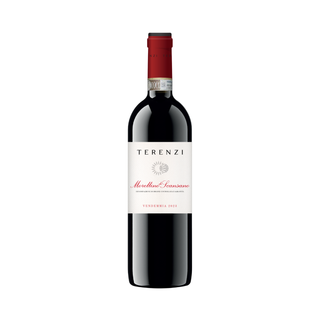
Sangiovese is the backbone of Tuscany. Chianti Classico around Florence, Brunello di Montalcino (the long-ageing flagship), and the coastal Morellino di Scansano (¥3,850) all show different characters of the same grape. For an accessible entry into Tuscany's style, Morellino is excellent value.
Puglia: Italy's South, Superb Value
At the heel of the Italian boot, Puglia is home to Primitivo and Negroamaro — rich reds at wallet-friendly prices (¥1,500–¥4,000). They shine alongside meat dishes and rich pasta sauces. If value is the priority, start here.
The Wine Windows of Florence: A Tuscan Custom Almost Unknown Outside Italy
A detail that stays with me from Tuscany: walking the old streets of Florence, you notice small arched openings, barely 30 centimetres high, set into the stone walls of historic buildings. These are the buchette del vino — wine windows. In 1559, Grand Duke Cosimo de' Medici granted nobles the right to sell wine directly from their estates, and these tiny hatches were how they did it: a coin passed in, a glass of wine passed out. Long forgotten, they were recently mapped and revived by a local association. During the pandemic, they found a second life as a perfectly socially-distanced way to hand someone a drink. For Florentines it's everyday scenery; for almost everyone outside Tuscany, it's a quiet revelation about how deeply wine is woven into Italian daily life.
Why Italian Wine Works So Well with Food
Italy's wines are built around the table — high acidity that cuts through tomato sauces and creamy pastas, tannins that love a bistecca, fresh whites that make seafood sing. This is a design feature, not a coincidence.
From Understanding to Exploring
I've visited producers across every major Italian region, from misty Langhe cellars to volcanic slopes on Etna. What I notice in Japan is that customers have already moved past understanding Italian wine — they're in an exploration phase, seeking out varieties like Timorasso or Tintilia that most Italians have never tasted. So rather than ranking regions, I'd rather ask what you're eating, who you're sharing with, and what you're curious about. That's always the best way in.
Browse Italian Wines
Explore our Italian wine selection — filter by producer, variety, or region.
Frequently Asked Questions
Q. Which Italian region should a beginner start with?
A. Tuscany's Sangiovese-based reds are the most food-friendly entry point. Chianti or Morellino from around ¥2,500 is a great start.
Q. How is Italian wine different from French wine?
A. Italy has over 500 officially recognised indigenous varieties and a style built around food pairing. France focuses more on terroir classification and strict regional rules. Italian wine's strength is diversity and table-friendliness.
Q. Piedmont or Tuscany — which is more popular?
A. Both are considered Italy's two great classic regions. In Japan, Chianti (Tuscany) and Barolo (Piedmont) are best-known. Tuscany offers a wider price range, with good bottles from around ¥2,500.
Q. Why does Italy have so many wine varieties?
A. The country stretches from the Alps to the Mediterranean, creating highly varied growing conditions. Italy recognises over 500 official varieties, with regional indigenous ones pushing the total past 2,000.
Q. What's the best-value Italian wine?
A. Southern Italy — Puglia and Sicily — offers the best value. Primitivo and Nero d'Avola deliver rich fruit from ¥1,500–¥3,000. Morellino di Scansano (Tuscany) at ¥3,850 is also excellent value.


Comments (0)
There are no comments for this article. Be the first one to leave a message!