

Do you know the grape called Moscato? You may have come across it in the form of a sweet sparkling "Moscato d'Asti." But Moscato is actually one of the oldest wine grapes in the world, with a history stretching back over 2,700 years in Italy. Its honey-like sweetness and extraordinary aromatics set it apart from any other white grape variety.
From sweet to dry, sparkling to still, Moscato is a fascinatingly versatile grape. In this guide I'll walk you through the variety from basics to Sicilian styles, through a sommelier's eyes.
What Is Moscato?
Moscato is the Italian name for the grape known in French as Muscat and in English as Muscat. The Muscat family contains over 200 varieties worldwide, but the two main ones used in Italian wine are:
- Moscato Bianco: The highest-quality Moscato, best known from Piedmont (Moscato d'Asti). Delicate aromas of floral honey, white peach, and apricot.
- Moscato di Alessandria (also called Zibibbo): Widely grown in Sicily. Richer fruit character and a tropical southern Italian nuance.
Moscato Is Not Just Sweet
When you hear Moscato, you likely think "sweet sparkling." Moscato d'Asti is indeed beloved worldwide as a low-alcohol (5%) lightly sparkling sweet wine. But the world of Moscato goes far beyond that.
- Sweet Frizzante (lightly sparkling): Moscato d'Asti DOCG. Around 5% ABV. Perfect after dinner or as a bright aperitivo.
- Dry still: Moscato Bianco from Sicily DOC fermented dry. An aromatic white wine.
- Passito (from dried grapes): Passito di Pantelleria from the island of Pantelleria off Sicily. Concentrated sweetness and remarkable complexity.
Moscato Key Specs
| Feature | Description |
|---|---|
| Color | Pale gold-yellow |
| Main Regions | Piedmont (Asti), Sicily, Friuli |
| Aromas | Muscat, white peach, apricot, orange blossom, honey, jasmine |
| Palate | Sweet to dry (by style). Fruity and aromatic |
| Acidity | Medium. Balances sweetness pleasantly |
| Alcohol | 5–13% ABV (by style) |
| Serving Temp | 6–10°C (best served well chilled) |
Regional Styles and 2,700 Years of History
| Region | Style / Key DOC |
|---|---|
| Piedmont (Asti) | Sweet frizzante (Moscato d'Asti DOCG). Delicate floral honey |
| Sicily | Still sweet to dry (DOC Sicilia). Tropical fruit character |
| Pantelleria Island | Passito (dried-grape). Concentrated sweetness (DOC Passito di Pantelleria) |
| Friuli | Dry still. Herbal and floral aromatics |
Here is something every winemaker in Sicily knows by heart — but that almost nobody in Japan has ever heard.
In Syracuse, Sicily (ancient name: Syracusa), Greek colonists from Corinth are said to have brought Moscato-type grapes with them when they settled in 734 BC. During the Roman era, naturalist Pliny the Elder recorded this grape as "apiana" — a name derived from the Latin apis, meaning bee, because bees were irresistibly drawn to the grape's extraordinary sweetness and aroma. "Moscato di Siracusa" is today recognized as one of the world's oldest wine regions, with a history of over 2,700 years. That ancient heritage is a point of quiet pride for every local winemaker. Almost no one in Japan knows this story.
How to Enjoy It in Japan
Moscato is often thought of as a dessert wine, but it excels as a food wine too. Sweet Moscato creates a fascinating contrast with spicy or savory dishes. Paired with karaage, sweet-and-sour pork, or mapo tofu, the sweetness and aroma of Moscato act as a palate reset between bites. It's also a classic match with cheese — especially Gorgonzola or creamy bear-style cheeses.
Federico's tip: chill it well (6–8°C), pour into a glass, and enjoy the first sip on its own. Peach and jasmine rise up — and you'll understand instantly why Pliny called it apiana. The bees know.
Federico's Pick
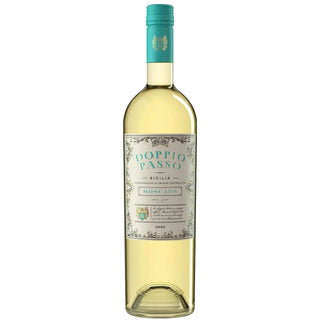
Doppio Passo Moscato from Botter — Japan's first and exclusive importer is Swirl. "Doppio Passo" (two steps) refers to the practice of partially drying some grapes to concentrate their sugars before fermentation, producing a deeper, rounder sweetness than standard Moscato. White peach, mango, and orange blossom fill the glass, with a refreshing acidity that keeps each sip alive.

How to Choose: Moscato Buying Guide
- If you love sweet sparkling: Moscato d'Asti DOCG. Low alcohol (5%), easy drinking
- Sweet but want something special: Passito di Pantelleria. Concentrated, honeyed sweetness
- Sweet but not cloying: DOC Sicilia Moscato (like Doppio Passo). Rich fruit, well-balanced
- You like dry wine but want aromatics: Dry Moscato from Friuli or high-altitude regions. An aromatic dry white
FAQ
Is Muscat the same as Moscato?
Yes, they are the same grape family. In English it's Muscat, in Italian Moscato, in French Muscat. However, there are over 200 varieties, and table-grape Muscat and wine-grape Moscato are often different varieties.
I don't like sweet wine — can I still drink this?
It depends on the style. DOC Sicilia types like Doppio Passo are sweet, but a lively acidity on the finish means many people who normally avoid sweet wine are surprised to find it refreshing. If you prefer dry, look for a dry Moscato from Friuli.
How quickly should I finish the bottle once opened?
Aim to finish sweet Moscato within 2–3 days. Keep it sealed with the cork in the refrigerator. Aromatics are this wine's strength — the sooner you drink it after opening, the better.
What's the difference between Moscato d'Asti and DOC Sicilia Moscato?
Region and style. Moscato d'Asti is from Piedmont, lightly sparkling, around 5% ABV, with delicate sweetness. DOC Sicilia Moscato is still (no bubbles), richer in fruit, and slightly higher in alcohol (around 8–11%).


Comments (0)
There are no comments for this article. Be the first one to leave a message!