

Primitivo is a red grape variety originating in Puglia, southern Italy, and has been scientifically proven by DNA analysis to be genetically identical to California's Zinfandel. It produces powerful, full-bodied wines with rich fruit flavors and high alcohol content.
Primitivo and Zinfandel: One and the Same Grape
The question comes up often: "Aren't Primitivo and Zinfandel different grapes?" The answer is simple — they are the same variety. In 1994, Professor Carol Meredith at UC Davis conducted DNA analysis and proved that Primitivo from Puglia and California Zinfandel are genetically identical. Tracing back further, their ancestor is an ancient Croatian variety called Crljenak. Puglia's farmers were astonished to learn that their native grape was the same as California's wine star — a historic discovery unlocked by science.
Flavor Profile
| Attribute | Tendency |
|---|---|
| Body | Full-bodied |
| Acidity | Medium |
| Tannins | Medium to medium-high |
| Aromas | Black cherry, plum, jam, spice (black pepper, cinnamon) |
| Serving temperature | 16–18°C |
Styles by Region
| Region / Style | Character |
|---|---|
| Primitivo di Manduria (Puglia) | Maximum concentration, higher alcohol. Flagship DOC-protected appellation. |
| California Zinfandel | Fruit-forward profile. Range from light White Zin rosé to dense, full-bodied reds. |
| Croatia Crljenak | Ancestral variety. Rustic, spicy style with lively acidity. |
In Puglia, some producers also use short-term drying (passimento) to further concentrate the fruit, creating Riserva-level wines. The Saignée method, which removes a portion of juice before fermentation to concentrate the rest, is another technique both use to extract the full potential granted by southern Italy's sun.
Enjoying Primitivo in Japan
Many Japanese drinkers assume it is "too heavy to pair with food," but the wine's balance of sweetness and fruit actually makes it a natural match for soy sauce-based dishes. Yakitori (tare), sukiyaki, braised pork belly — the sweet-savory sauce resonates with Primitivo's plum character so that wine and food become one in the mouth. Chill it in the refrigerator for about 30 minutes before serving to bring out the fruit, then decant for 15 minutes to open the aromas.
Federico's Recommendation
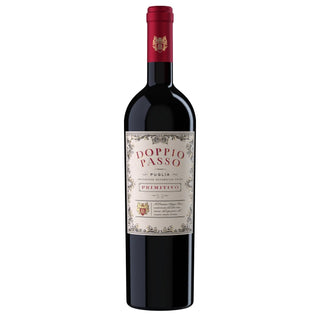
What we often pour at Swirl Wine is the Puglia-born Doppio Passo Primitivo. True to its name meaning "double step," grapes are harvested in two stages to enhance concentration. A jammy, fruit-rich expression with a firm, structured backbone beneath.
How to Choose, Serve, and Similar Grapes
Start with bottles labeled "Primitivo di Manduria DOC" for consistent quality. Serve at 16–18°C; if you have no wine cellar, pull it from the refrigerator an hour before drinking. Similar grapes: Malbec (Argentina), Grenache (southern France and Spain). See also our Primitivo Grape Guide.
Frequently Asked Questions
Q. Do Primitivo and Zinfandel taste different?
A. They are the same grape, but climate and winemaking create distinct profiles. Primitivo tends to be spicier and more structured; Zinfandel tends toward jammier, more forward fruit.
Q. Is White Zinfandel the same as Primitivo?
A. The grape is the same, but White Zinfandel is a sweet, residual-sugar rosé — a completely different drinking experience from dry, full-bodied Primitivo.
Q. Is it enjoyable without food?
A. Its rich fruit makes it pleasurable on its own. Pairing it with cheese (aged Gouda or Pecorino) brings out even more of the wine's character.
Q. Should I drink it quickly after opening?
A. Recork and store upright after opening; best consumed within 2–3 days. A wine pump to remove air extends enjoyment to about 5 days.
A grape raised by the Puglian sun, linking Italy and California across centuries. Let Primitivo show you just how fascinating the world of wine can be.


Comments (0)
There are no comments for this article. Be the first one to leave a message!