

In the Carso plateau of northeastern Italy, where Slovenia begins just beyond the ridge, spring still brings a familiar sight: a frasca, a cluster of leafy branches hung above a farmhouse door. It means the family is open for osmizza. The custom dates to 1784, when Emperor Joseph II granted Carso farmers the right to sell homemade wine and food for eight days per year, unlicensed (osem means "eight" in Slovenian). More than 240 years later, the tradition continues, and the red wine most often poured at these impromptu taverns is Terrano or Refosco. Almost entirely unknown in Japan, Refosco is one of Italy's oldest varieties and increasingly fascinating to European wine researchers.
What You'll Learn
- What Refosco is as a grape variety, and its origins
- Flavor characteristics and main styles
- Food pairings for the Japanese table
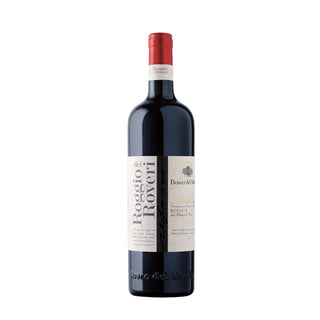
- About Bosco del Merlo "Refosco Roggio dei Roveri," available at Swirl
What Is Refosco?
Refosco is a native red grape grown primarily in Friuli Venezia Giulia, with plantings extending into eastern Veneto and the Carso DOC. Its origins predate Roman times, making it one of the region's most ancient varieties. "Refosco" is a family name covering several clones; the most representative is Refosco dal Peduncolo Rosso, named for its red stem (peduncolo rosso), which makes it unmistakable at harvest.
Flavor Profile
| Attribute | Character |
|---|---|
| Color | Deep ruby with violet hues |
| Aromas | Blackberry, plum, violet, black pepper, dried herbs |
| Palate | Dry, medium-to-full body, firm acidity, structured tannins |
| Tannins | Medium-high, dry with good grip |
| Alcohol | Approx. 12.5–14% |
| Finish | Long, spicy and dry |
The Region: Friuli and the Carso
Friuli Venezia Giulia is Refosco's heartland, where it appears in DOCs including Friuli Grave, Colli Orientali del Friuli DOCG, and Carso DOC. Each appellation gives a different expression.
Carso DOC is perhaps the most distinctive: limestone soils and the cold bora wind from the northeast produce a mineral, structured wine unlike anything else in Italy. Refosco hasn't had the international profile of Bordeaux varieties, but it's riding the current wave of interest in Italian native grapes.
Pairing With Japanese Food
Refosco's firm acidity and tannins come alive with fatty, umami-rich dishes. Roast lamb, duck, braised pork belly, and miso-based meat dishes are natural partners.
On the Japanese table: chikuzen-ni (root vegetable stew), beef shabu-shabu with soy tare, or yakitori (skin or tsukune) work excellently. For cheese, aged gouda or a rich blue pairs well. Serve at 17–18°C and decant for 30 minutes to open those tannins.
Federico's Pick: Bosco del Merlo "Roggio dei Roveri"
The Refosco we carry at Swirl is Roggio dei Roveri by Bosco del Merlo, a historic estate near Pordenone in the Veneto, just beside the Friuli border. The winery has deep expertise in the native Friulian varieties that define this corner of northeastern Italy.
Roggio dei Roveri takes its name from the oak (rovere) grove bordering the vineyard. Aged in oak barrels, it tames Refosco's natural grip into something more approachable while keeping all the complexity: dark fruit aromatics layered with vanilla and spice, with a dry, poised tannic finish. It's an ideal introduction to Italian native reds.
How to Choose
When you see a Refosco label, check the DOC. Friuli Grave is fruitier and more approachable; Colli Orientali is more complex and age-worthy; Carso is mineral and individual. Bosco del Merlo takes a balance-focused approach that bridges Friulian character with broad appeal. If it's your first Refosco, start with a barrel-aged version.
Frequently Asked Questions
Where does Refosco come from?
It's native to northeastern Italy (Friuli Venezia Giulia, eastern Veneto), and is also grown in Croatia and Slovenia. It belongs to the shared wine culture of the northern Adriatic.
Is it a heavy wine?
As a variety it leans full-bodied, but the Bosco del Merlo Roggio dei Roveri uses oak maturation to soften the tannins, so complexity comes forward more than weight. It handles a wide range of food pairings well.
Storage and drinking window?
After opening: store upright and drink within 2–3 days. Unopened: 5–8 years of aging potential in a cool, dark place. Decant for 30 minutes before serving.


Comments (0)
There are no comments for this article. Be the first one to leave a message!