

A gentle fizz, a light sweetness, and a versatility that works from aperitivo to dessert. When Japanese wine drinkers try frizzante for the first time, the casual charm often surprises them. In Italy, lightly sparkling wines are a staple of daily meals, yet most people couldn't explain the exact difference between frizzante and the fully sparkling spumante.
What is Frizzante? Frizzante vs. Spumante
"Frizzante" is Italian for "lightly sparkling." The bottle pressure runs around 1-2.5 bar, versus 3+ bar for fully sparkling spumante (like Champagne or Prosecco Spumante). Rather than bursting bubbles, frizzante delivers a soft tingle on the tongue: lively but gentle.
Sparkling Style Comparison
| Style | Pressure | Example | Character |
|---|---|---|---|
| Frizzante | 1-2.5 bar | Moscato d'Asti | Lightly sparkling, delicate, low alcohol |
| Spumante | 3+ bar | Prosecco Spumante | Fully sparkling, classic aperitivo |
| Petillant Naturel | ~2 bar | Col Fondo | Ancestral method, cloudy, complex |
The Original Prosecco: Veneto's Col Fondo Tradition
The clean, bright Prosecco we know today became widespread only in the 20th century. Before that, all Prosecco in Veneto was made using the "col fondo" method, which translates literally as "with the bottom." Wines were bottle-fermented with native yeasts, and the lees were left in the bottle, creating a cloudy, lightly sparkling frizzante with sediment at the base.
Think of it as Italy's version of nigori sake: the cloudiness carries extra complexity and texture. This ancestral style is being revived today by artisan producers across Veneto, valued as the authentic original before the modern tank-fermentation method took over. A col fondo frizzante is essentially what Prosecco tasted like for centuries.
Enjoying Frizzante in Japan
Frizzante pairs more broadly than fully sparkling wines. Its gentle bubbles complement Japanese cuisine naturally: tempura, yakitori, white fish, and lighter sushi all work beautifully. With typical alcohol around 5-7%, it's an easy everyday option for meals.
If frizzante is new to you, try starting with a Prosecco Spumante to get comfortable with Italian sparkling wine, then compare the softness of a frizzante style alongside.
Our Recommendation
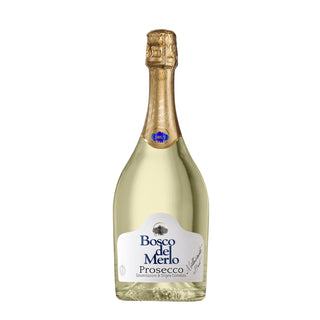
The Prosecco Millesimato Brut from family estate Bosco del Merlo in Veneto is a spumante, but its fresh apple and pear character and light body carry the approachable spirit of frizzante. A great entry point into the world of Italian sparkling wine.
How to Serve Frizzante
- Temperature: Chill to 6-8°C before opening. Colder temperatures soften the carbonation and bring out frizzante's characteristic gentleness.
- Glassware: A standard white wine glass over a flute: you'll capture more of the aroma.
- Food pairing: Seafood, light pasta, cheese, and fruit desserts are all excellent matches.
Frequently Asked Questions
Q. Is frizzante sweet?
It depends on the style. Moscato d'Asti is a classic sweet frizzante, while Prosecco Frizzante can be brut (dry). Always check the sweetness level before buying.
Q. How long does frizzante keep after opening?
Drink within 1-2 days for best flavor. A sparkling wine stopper will help preserve the fizz.
Q. What's the difference between frizzante and Champagne?
Champagne is a fully sparkling spumante with complexity from bottle-fermented aging. Frizzante is lighter, gentler, and typically at a more accessible everyday price point.


Comments (0)
There are no comments for this article. Be the first one to leave a message!