

Viognier is a white grape originating in the Rhône Valley of France, celebrated for its vivid aromas of peach, apricot, and white flowers (jasmine and acacia), paired with a generous, round body. Once nearly extinct, it is now cultivated in Italy, Australia, California, and many other regions.
The most common first reaction from people trying Viognier for the first time: "It smells like perfume." And they're right. The floral intensity is unlike any other white wine, which is exactly what makes it worth seeking out.
Myth: Viognier is too heavy to pair with food
The most common misconception about Viognier is that the high alcohol and full body make it awkward to pair with meals. Warm-climate Viognier can reach 14% alcohol or above, and that can feel heavy. But Viognier from cooler climates or higher altitudes keeps a lively acidity that balances the richness and makes it a perfectly practical food wine. The key is choosing the right origin and producer.
Taste profile
| Characteristic | Profile |
|---|---|
| Body | Medium to full |
| Acidity | Low to medium (varies by origin) |
| Tannins | None (white wine) |
| Aromas | Peach, apricot, white flowers (jasmine, acacia), ginger, spice |
| Serving temperature | 10 to 13°C |
How style changes by region
| Region | Character |
|---|---|
| Condrieu (France, Rhône) | The spiritual home of Viognier. Richest floral expression, high concentration, rare and expensive. |
| Maremma (Italy, Tuscany) | Mediterranean climate yields ripe, peach-compote fruit with a long Tuscan finish. |
| Australia (Eden Valley, etc.) | Generous, powerful fruit. Oak aging adds a creamy, rounded texture. |
| California | Rich and fruit-forward from the warm climate. Alcohol can climb, so temperature management matters. |
Winemaking decisions define the style of Viognier more than most grapes. Fermentation temperature is the key lever: cool fermentation (around 14 to 16°C) locks in the delicate floral aromas, while warmer temperatures build body and weight. Barrel fermentation and aging on the lees (sur lie) add creaminess and complexity. Understanding how a wine was made tells you a great deal about what to expect in the glass.
Enjoying Viognier in Japan
Viognier is often assumed to clash with seafood, but it pairs beautifully with richly flavored fish dishes: carpaccio, sauteed white fish, scallops in cream sauce. In a Japanese context, steamed clams in sake and udon dishes with cream-based sauces make surprisingly good companions.
The Maremma, the coastal Tuscan region where our recommended Viognier comes from, has a history almost entirely unknown in Japan. This was once Italy's wild frontier, home to the butteri: cattle herders on horseback, the Italian equivalent of cowboys. In 1890, when Buffalo Bill brought his rodeo troupe to Italy, he challenged the local butteri to a horsemanship competition. The butteri won. These riders traditionally ate acquacotta ("cooked water"), a humble soup of stale bread, wild herbs, and egg, eaten with local wine at the end of long days working cattle. It is still served in Maremma trattorias today, and it is virtually unknown outside Italy. A generous, aromatic white like Viognier is exactly the kind of wine that lifts this kind of deep, rustic food.
Serve at 10 to 13°C. Take it out of the refrigerator about 10 to 15 minutes before pouring, or use a wine cooler to prevent it from warming too quickly. Too warm and the alcohol comes forward and the delicate florals disappear.
Federico's recommendation
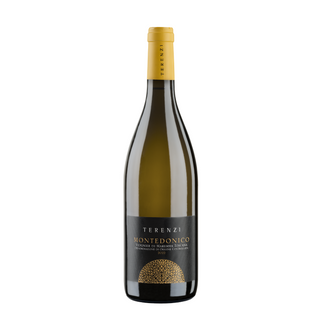
For an introduction to Viognier, I often recommend Terenzi "Montedonico", a Maremma DOC Viognier from Tuscany. It opens with jasmine and ripe peach, then delivers the generous, sun-warmed body that southern Tuscany produces. Drink it cool and notice how the aromatics shift as it warms slightly in the glass. It is the ideal bottle for understanding what Viognier is about.
How to choose, when to drink, and similar grapes
When choosing a Viognier, pay attention to the region's climate. Cool climates (northern Rhône, high-altitude Italy) produce crisp, clearly defined floral wines. Warm climates (Australia, California) produce rich, fruit-forward styles. Match the weight to the season and what you're eating.
Drink most Viogniers within one to three years of release. High-quality examples like Condrieu can develop for five or more years, but for everyday bottles the fresh fruit and floral character is the point: drink them young.
Similar grapes: Pinot Grigio is lighter and crisper. Chardonnay is more neutral and ranges more widely in style. Gewürztraminer shares Viognier's floral intensity but tends to be richer and slightly sweeter. If you enjoy Viognier, Gewürztraminer is worth exploring, and vice versa.
FAQ
Q. What food does Viognier pair with?
A. White fish meuniere, scallops in cream sauce, carpaccio, and aromatic Asian dishes (Thai curry, Vietnamese food) all work well. The wine's floral aromatics echo and lift the flavors in the food.
Q. Is Viognier dry or sweet?
A. It is dry. However, the ripe stone fruit can give an impression of sweetness even when no residual sugar is present. A genuinely sweet style is the exception, not the rule.
Q. How is it different from Chardonnay?
A. Chardonnay is comparatively neutral and takes on the character of its terroir and winemaking. Viognier always leads with its own floral and stone-fruit personality, wherever it is grown.
Q. Does it need decanting?
A. Generally no. However, a heavy, oak-aged Viognier benefits from 10 to 15 minutes in a decanter to open the aromas. Worth trying with a high-quality Condrieu.
Born in Condrieu and finding new expression in Maremma, Viognier is the grape for anyone who thought all white wine tasted the same. One glass changes that assumption.


Comments (0)
There are no comments for this article. Be the first one to leave a message!