

What Is Zibibbo?
Zibibbo is one of Italy's oldest white grape varieties, rooted in Sicily and the volcanic island of Pantelleria, and is known internationally as Muscat of Alexandria. The name comes from the Arabic word zabīb, meaning raisin — a clue that drying and concentration are at the heart of this grape's identity. In Tokyo's wine scene the question "What's Zibibbo?" comes up often, but one sip explains why the people of Pantelleria have staked their island's future on this grape for centuries.
The Most Common Misconception: Zibibbo Is Not Only Sweet
Most people hear "Zibibbo" and assume it means sweet wine, since the famous Passito di Pantelleria DOC is a world-class dessert wine made from sun-dried Zibibbo grapes. But Zibibbo is also vinified dry. A fresh, dry Zibibbo carries notes of muscat blossom and orange peel yet finishes clean and crisp. The same grape can show two completely different personalities depending on how it is made.
Flavour Profile
| Characteristic | Profile |
|---|---|
| Body | Light to medium (depending on style) |
| Acidity | Gentle (Mediterranean climate) |
| Aromas | Muscat blossom, white peach, orange flower, apricot, honey (aged styles) |
| Serving temperature | 8-10°C (dry) / 10-12°C (off-dry) |
Zibibbo's defining trait is its intense aromatics. The moment the glass reaches your nose, a wave of muscat fragrance arrives — similar in direction to Riesling or Gewurztraminer, but rounder and more sun-ripened. Tannins are virtually absent, making it an easy match for summer aperitivo occasions.
Styles by Region
| Region | Style | Character |
|---|---|---|
| Pantelleria Island (DOC) | Passito (sweet) | Concentrated honey, apricot, and dried fig from sun-dried grapes. A benchmark dessert wine |
| Sicily mainland (Terre Siciliane IGP) | Dry | Fresh, light, muscat blossom aromatics. Great as an aperitif or with seafood |
Something worth knowing about Pantelleria's alberello vineyards. On Pantelleria, Zibibbo is grown using a technique called alberello pantesco (bush vine training), inscribed in 2014 as a UNESCO Intangible Cultural Heritage of Humanity — one of the oldest agricultural traditions in the Mediterranean. To protect the vines from the violent sirocco wind blowing up from North Africa, each plant is set into a hole dug into the volcanic soil, trained low to the ground, and sheltered by dry-stone walls. Each plant yields only about 1.5 kg of fruit — roughly one-fiftieth of mainland yields. Grapes hand-picked in early August are spread on raised drying racks called stenditoi and turned by hand every single day for 15-30 days, losing 75% of their weight before they become the raw material for passito. Every time I share this story at tastings in Tokyo, eyes light up before the wine even reaches the glass.
Enjoying Zibibbo in Japan
In Japan, the assumption that "muscat-scented means sweet" often leads people to overlook dry Zibibbo as a food wine. It pairs beautifully with:
- White fish sashimi and carpaccio: gentle acidity and aromatics lift the umami of kombu dashi
- Tempura (white fish and vegetables): the palate-cleansing freshness resets the finish after each piece
- Southeast Asian cuisine (Thai, Vietnamese): spice and fragrance resonate with each other
- Cream-style cheese (Camembert): a pairing that comes back time and again at Tokyo tastings
Serve well-chilled at 8-10°C. On a summer evening after the rainy season, on the balcony with tempura — simple, but hard to improve on.
Federico's Picks
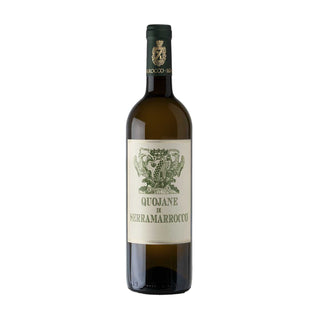
The Zibibbo I reach for most often at Tokyo tastings is Serramarrocco's Quojane Zibibbo, from vineyards on the slopes of Mount Erice in western Sicily. Fermented at low temperature in stainless steel to preserve the aromatics, it delivers muscat blossom, white peach, and a whisper of honey in a dry style that works for both first-time Zibibbo drinkers and seasoned white wine lovers.
How to Choose, Serve, and Compare
For a dry Zibibbo: look for Terre Siciliane IGP or Sicilia DOC on the label. Choose a young vintage — freshness is the whole point, so within 1-3 years of harvest. For sweet passito: confirm the label says Passito di Pantelleria DOC. Try it with vanilla ice cream or red-bean wagashi — the pairing is a genuine surprise. Similar grapes: within the aromatic family, Gewurztraminer is spicier, Moscato Bianco lighter and more delicate.
Frequently Asked Questions
Q. Is Zibibbo the same as Muscat?
A. Essentially yes. Zibibbo is the Italian name used in Sicily; in French it is Muscat d'Alexandrie, in English Muscat of Alexandria. It belongs to the same grape family as what Japan calls Muscat of Alexandria.
Q. What is Passito di Pantelleria?
A. A sweet dessert wine made by sun-drying Zibibbo grapes before fermentation. Notes of honey, dried apricot, and orange peel. Exceptional with foie gras, blue cheese, or vanilla ice cream.
Q. What is the most common mistake?
A. Buying a dry Zibibbo hoping for sweetness. Labels marked Secco, Dry, or IGP indicate a dry food-style wine. If you want sweet, look for Passito or Dolce.
Q. How long does it keep after opening?
A. Aim to finish it within 2-3 days, refrigerated. Aromatic white wines lose their fragrance quickly once oxidised, so use a wine stopper and drink it soon.
Q. Where can I buy Zibibbo in Japan?
A. Japanese distribution is still limited. The Quojane Zibibbo by Serramarrocco, available at Swirl, is a dry-style expression of this grape available online.


Comments (0)
There are no comments for this article. Be the first one to leave a message!