

Zinfandel is the iconic red wine grape of California, known by its alter ego "Primitivo" in Italy's Puglia region — and they are genetically identical. The two names differ, but the DNA matches completely. This discovery stunned the wine world around 2001 to 2002, when a research team led by Carole Meredith at UC Davis proved through DNA analysis that Zinfandel, Primitivo, and the Croatian native variety Crljenak Kaštelanski are all the same grape. The trail led to the Dalmatian coast of Croatia — an unexpected origin for one of California's most celebrated reds.
Common Misconception: "Zinfandel Is Sweet Rosé"
Many people first encounter Zinfandel as "White Zinfandel," a sweet rosé that was born in California in the 1970s. Made by separating juice from skins early in fermentation, it became a global bestseller and fixed the "Zinfandel equals sweet" association. In reality, Zinfandel is a bold, dry red wine that can reach 14 to 16% alcohol. Italian Primitivo is also fundamentally a dry red. The name Primitivo comes from the Latin "Primitivus" (the first to ripen): in Puglia, this variety is harvested in late August, ahead of virtually every other grape.
Flavor Profile
Zinfandel/Primitivo leads with ripe dark fruit — blackberry, cassis, plum — layered with jammy richness and followed by pepper, cinnamon, vanilla, and sometimes dark chocolate. Tannins range from medium to fairly firm, acidity is relatively low, and alcohol runs high.
| Attribute | Typical Character |
|---|---|
| Body | Medium to full |
| Acidity | Low to medium |
| Tannins | Medium to moderately firm |
| Primary aromas | Blackberry, plum, pepper, vanilla, spice |
| Alcohol | High (13–16%) |
| Serving temperature | 16–18°C |
Style by Region
| Region | Name | Style |
|---|---|---|
| California (Sonoma, Lodi, Paso Robles) | Zinfandel | Rich and jammy, high alcohol, pronounced vanilla from American oak |
| Puglia, Italy (IGT/DOC) | Primitivo | Fruit-forward, comparatively lighter, many accessible entry-level bottles |
| Puglia, Manduria (DOCG) | Primitivo di Manduria | Concentrated; includes sweet Passito styles; Italy's top appellation for the grape |
| Croatia (Dalmatia) | Crljenak / Tribidrag | The ancestral homeland; old-vine examples with rustic, individual character |
California Zinfandel is typically aged in American oak, amplifying vanilla and toasted notes. Puglia Primitivo often uses French oak or shorter maturation, letting the fruit speak more directly. Because both regions are warm, timing the harvest to avoid over-ripeness is where winemaker skill shows most.
Enjoying It in Japan: Surprising Pairings with Japanese Food
When I pour this wine for guests in Tokyo, the reaction that surprises them most is how well it works with teriyaki yakitori. Chicken wings or pork belly braised in a sweet-soy glaze are a natural match: the umami-sweet sauce resonates with the grape's low acidity and jammy fruit character.
The other discovery is sukiyaki. The sweetness of the warishita broth melds with the wine's fruit, amplifying the beef's richness in a way that defies the usual "tannin-cuts-fat" logic. With this grape, it's more about fruit wrapping the meat.
In Japanese summers, temperature matters most. Because the alcohol is high, warm wine feels heavy. Just taking the bottle from the fridge 30 minutes before serving hits that 15 to 17°C sweet spot and transforms the impression completely.
Federico's Recommendation
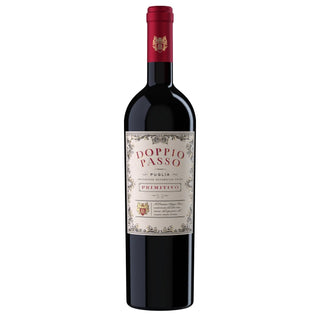
The bottle I reach for most is Doppio Passo Primitivo — the first Primitivo we at Swirl introduced exclusively to Japan from Puglia. Dense blackberry and cassis, followed by vanilla and a hint of spice. For the price, it punches well above its weight as a genuine Primitivo, and it's the ideal starting point for exploring this grape alongside Japanese food.
How to Choose, When to Drink, and Similar Grapes
The key question when choosing Zinfandel/Primitivo is how much intensity you want. For something lighter, look to Puglia IGT Primitivo. For bold power, go to California Zinfandel from Sonoma or Paso Robles. If you enjoy this style, Sangiovese from Tuscany is a natural next step — similar Italian roots, higher acidity, more food-friendly structure. Entry-level bottles from both regions are best enjoyed young.
Frequently Asked Questions
- Q. Are Zinfandel and Primitivo exactly the same wine?
- The grape is identical, but climate, terroir, and winemaking differ, so the wines taste different. California Zinfandel tends to be richer and higher in alcohol; Puglia Primitivo is generally a bit lighter and more fruit-driven.
- Q. What is White Zinfandel?
- White Zinfandel is a sweet rosé made from Zinfandel grapes. It was created in California in the 1970s by separating juice from the skins early. Think of it as an entirely different product from red Zinfandel.
- Q. What Japanese foods pair well with it?
- Teriyaki yakitori, pork belly braised in soy sauce, sukiyaki — anything with a sweet-savory glaze works beautifully. The grape's juicy fruit is also approachable for guests who normally find big tannic reds too much.
- Q. What is Primitivo di Manduria?
- It's the DOCG (top-tier Italian appellation) from the Manduria zone of Puglia. Richer and more concentrated than everyday IGT Primitivo, and it also comes in sweet Passito styles. A step up in intensity and prestige.
- Q. I found Zinfandel too heavy. What should I do?
- High alcohol amplifies the feeling of weight when the wine is warm. Aim for 15 to 17°C — just take the bottle from the fridge about 30 minutes before serving. That small adjustment makes a significant difference, especially in summer.


Comments (0)
There are no comments for this article. Be the first one to leave a message!