

Have you ever been told to serve red wine at "room temperature"? That advice originated in France and Italy, where stone-walled cellars sit at 15 to 17°C. A Japanese living room in summer can easily exceed 28°C, and at that temperature a red wine's alcohol pushes forward while its delicate fruit disappears. On the other hand, pulling a white straight from the fridge at 3 to 5°C locks its aromas inside the glass. Adjusting the temperature by just a few degrees transforms the same bottle into something entirely different. This guide covers the ideal temperature for every type of wine and practical techniques for getting there in a Japanese home.
Why Does Temperature Change Wine So Dramatically?
Wine contains hundreds of volatile aroma compounds that evaporate more readily as the liquid warms up, producing a richer bouquet in the glass. Push the temperature too high, however, and ethanol evaporates faster as well, adding a sharp, stinging sensation that drowns out the aromatics.
On the palate, lower temperatures accentuate acidity and the astringency of tannins, while higher temperatures bring sweetness and roundness to the fore. Temperature is essentially an invisible dial that shifts the balance among aroma, acidity, sweetness, and bitterness.
Italy's AIS (Associazione Italiana Sommelier) enforces strict temperature protocols during professional tastings because even a few degrees' difference can make the same wine taste like two completely different bottles. In a blind tasting, most people will identify a wine served at 18°C and the same wine served at 12°C as two separate wines.
The same principle applies at home. You do not need to buy expensive wine to enjoy a better drinking experience; simply controlling the temperature makes a significant difference. In Italy, trattoria owners routinely check the temperature before pouring, and bars across Milan pull each glass of white from the fridge to order. Bringing that professional habit into your kitchen is the easiest upgrade you can make.
How Temperature Changes the Taste of Wine
High temperature (above 18°C)
→ Aroma compounds evaporate actively → rich bouquet
→ Alcohol also evaporates → more heat and sting
→ Sweetness comes forward / acidity and tannin soften
Low temperature (below 6°C)
→ Aroma evaporation is suppressed → muted nose
→ Acidity and tannin stand out → sharp impression
→ Sweetness is restrained, wine tastes drier
Ideal temperature (recommended range by type)
→ Aroma, acidity, sweetness, and tannin in optimal balance
→ The wine's full potential is unlocked
Is "Room Temperature" Really Right for Reds? The Answer for Japanese Homes
In short, Japanese room temperature is too warm for red wine in almost every season. The French word "chambre" referred to rooms at 15 to 17°C, but a heated Japanese living room sits above 20°C even in winter and can reach 25 to 30°C in summer.
The ideal serving temperature depends on the style of red.
| Red Wine Type | Recommended Temp | Typical Varieties | Tip |
|---|---|---|---|
| Light-bodied reds | 13-15°C | Barbera, Dolcetto, Beaujolais | Serve slightly cool to preserve fruit |
| Medium-bodied reds | 15-17°C | Sangiovese, Morellino, Chianti | Best balance of fruit and acidity |
| Full-bodied reds | 16-18°C | Primitivo, Barolo, Amarone | Too cold and tannins become harsh |
The easiest trick for a Japanese home: put the bottle in the fridge 30 minutes before serving. A bottle sitting at 25°C will drop to around 16 to 17°C in half an hour. The same technique works in a heated room during winter.


Are You Over-Chilling Your White Wine and Rosé?
A typical Japanese fridge crisper drawer sits at about 3 to 5°C. Many people keep white wine there permanently and pour it straight at the table, but at 5°C or below most of the wine's aromas stay trapped in the liquid.
Here are the targets by style.
| White / Rosé Type | Recommended Temp | Typical Varieties | Tip |
|---|---|---|---|
| Crisp, dry whites | 8-10°C | Pinot Grigio, Soave, Vermentino | Take out of the fridge 5-10 min before pouring |
| Rich / oak-aged whites | 10-13°C | Oaked Chardonnay, Friuli whites | Too cold and oak character disappears |
| Aromatic varieties | 8-10°C | Traminer, Moscato (dry) | Keep slightly cool to highlight floral notes |
| Rosé | 8-12°C | Pinot Grigio Rosé, Provence rosé | 8°C as an aperitif, 10-12°C with food |
A simple approach: remove the bottle from the fridge and leave it at room temperature for about 10 minutes. It will rise from around 5°C to 8 to 10°C, and fruit, herb, and floral aromas will begin to open up. Those few minutes make a noticeable difference. If you have a wine cooler or ice bucket, keep the bottle there between pours to prevent it from warming further as the meal progresses.

Sparkling Wine Temperature: Three Tips to Preserve the Bubbles
Sparkling wine is best served colder than still whites. As the liquid warms, carbon dioxide becomes less soluble and the bubbles escape all at once.
Aim for 6 to 8°C. Chill in the fridge for at least three hours before opening.
Tip 1: Keep the bottle still before opening. Vibration agitates dissolved CO2, and the moment you pop the cork the wine foams over. After taking it out of the fridge, set it gently on the table and wait about one minute before opening.
Tip 2: Use an ice bucket to hold the temperature. Sparkling bottles are typically slender and warm up quickly at room temperature. During a meal, keep the bottle in an ice-water bucket and return it after each pour.
Tip 3: Do not pre-chill the glass. A chilled glass can actually over-cool the wine and shut down its aromas. Use a room-temperature glass; as long as the wine itself is properly cold, the pour temperature will be low enough.

Veneto / Glera | Single-vintage (Millesimato)
¥3,300 (tax incl.)
Shop now
Seasonal Temperature Calendar for Japanese Homes
Japan's four distinct seasons mean the ideal prep routine changes throughout the year.
Spring (March to May): Room temperature 18 to 22°C
Red wine may be fine as-is on cooler days, but from late April onward, 15 minutes in the fridge before serving is a good precaution. Whites and sparkling are best poured straight from the fridge or after sitting out for five minutes. For cherry-blossom picnics, carry the wine in a cooler bag with ice packs.
Summer (June to September): Room temperature 25 to 32°C
The hardest season for temperature control. Even reds should spend at least 30 minutes in the fridge before serving. Poured wine rises 3 to 4°C in under five minutes, so pour smaller amounts and top up frequently. Avoid placing bottles in the path of air conditioning drafts, which cause rapid temperature swings.
Autumn (October to November): Room temperature 18 to 23°C
The most comfortable season for wine. Full-bodied reds can be served as-is; medium-bodied reds need only about 10 minutes in the fridge. Seasonal pairings: grilled sanma (Pacific saury) with Pinot Grigio at 8 to 10°C; mushroom pasta with Morellino at 15 to 16°C.
Winter (December to February): Room temperature (heated) 22 to 26°C
Heated rooms are not as extreme as summer, but they are still too warm for most reds. Simply keeping the bottle away from heaters helps. Winter is the season of nabe (hot pot) and sukiyaki; paying attention to wine temperature during these meals noticeably improves the pairing.
Rapid Chilling and Temperature Maintenance: A Practical Guide
"I want to drink now but the wine isn't cold." This happens all the time. Here are techniques you can use with items already in your kitchen.
Ice-Water Bath (Fastest Method)
Fill a bowl or bucket with equal parts ice and water, and submerge the bottle up to the shoulder. Water transfers cold far more evenly and rapidly than air, making this much faster than a fridge. A white wine reaches 8 to 10°C in about 15 minutes; a red drops to 16°C in roughly 10. Adding a pinch of salt speeds the process further by lowering the freezing point and accelerating ice melt.
Using the Freezer (With Caution)
Placing a bottle in the freezer is convenient, but after 15 minutes the expanding liquid can push out the cork, or worse, crack the glass. Always set a timer. Fifteen minutes in the freezer cools a white to roughly 10°C.
Wet-Towel Wrap
Soak a kitchen towel in water, wrap it around the bottle, and place it in the freezer. Evaporative cooling shaves two to three minutes off the normal freezer time.
Maintaining Temperature During a Meal
If you do not have a wine cooler, a deep pot or salad bowl filled with ice water works well. For reds on a hot summer day, you may not need an ice bucket, but keep the bottle out of direct sunlight between pours.
Serving Temperature Quick-Reference Chart
A summary table combining AIS (Associazione Italiana Sommelier) guidelines with practical advice for Japanese homes.
| Wine Type | Recommended Temp | Practical Tip for Japan | Example (Swirl range) |
|---|---|---|---|
| Sparkling (dry) | 6-8°C | Fridge for 3+ hours | Prosecco Millesimato |
| Sparkling (sweet) | 4-6°C | Fridge for 4+ hours | Moscato d'Asti |
| Crisp dry white | 8-10°C | Out of fridge 5-10 min | Pinot Grigio, Soave |
| Rich white | 10-13°C | Out of fridge 15 min | Oaked Chardonnay |
| Rosé | 8-12°C | Out of fridge 5-10 min | Pinot Grigio Rosé |
| Light red | 13-15°C | Into fridge 30 min before | Barbera, Dolcetto |
| Medium red | 15-17°C | Into fridge 20-30 min before | Morellino di Scansano |
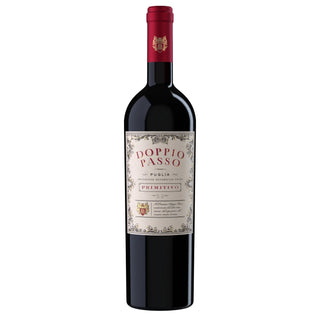
| Full-bodied red | 16-18°C | Into fridge 15-20 min before | Doppio Passo, Barolo |
| Sweet dessert wine | 6-8°C | Fridge for 3+ hours | Passito |
Temperature and Food Pairing at the Japanese Table
When you control the temperature, pairing possibilities expand. Here are specific combinations with Japanese home cooking and restaurant dishes.
| Dish | Recommended Wine | Serving Temp | Why It Works |
|---|---|---|---|
| Sashimi platter | Pinot Grigio | 8-10°C | Cold white with cold food; minerality lifts the umami of raw fish |
| Tempura | Prosecco Millesimato | 6-8°C | Bubbles cut through the oil and reset the palate |
| Yakitori (tare sauce) | Morellino di Scansano | 15-16°C | Sweet-savoury tare meets Sangiovese's acidity and cherry fruit |
| Sukiyaki / beef hot pot | Doppio Passo Primitivo | 16-17°C | Rich warishita broth pairs with Primitivo's concentrated dark fruit |
| Curry rice | Doppio Passo Primitivo | 16-17°C | Spice heat and the wine's ripe fruit sweetness complement each other |
| Cheese board | Morellino di Scansano | 16-17°C | Hard cheese saltiness and Sangiovese's acidity bring each other out |
| Fruit tart | Prosecco Millesimato | 6-8°C | Fruit sweetness and sparkling acidity keep dessert light |
Common Misconceptions About Wine Temperature
Several pieces of widely repeated advice about wine temperature have no solid basis. Here are the most common ones, corrected.
Myth 1: "Red wine should always be served at room temperature."
As discussed above, "room temperature" refers to 15 to 17°C in a European stone building. In Japan, especially from May through October, room temperature exceeds 20°C. Cooling your red briefly before serving brings it closer to its intended flavour. Think "ideal temperature," not "room temperature."
Myth 2: "The colder the white wine, the better it tastes."
Cheap table wine may be fine extremely cold, but a quality white loses its complex fruit aromas when over-chilled. Oak-aged whites and aromatic varieties perform best at 8 to 12°C.
Myth 3: "Wine can be stored long-term in a regular fridge."
A fridge is excellent for short-term chilling but unsuitable for long storage. Low humidity dries the cork, allowing air in and causing oxidation. Wine you plan to drink within a few days is fine, but anything longer needs a cellar environment of 12 to 15°C and 60 to 70% humidity.
Myth 4: "A degree or two doesn't make any real difference."
Even a 2°C shift is perceptible. Compare sparkling at 6°C versus 10°C: the fineness of the bubbles and the impression of acidity differ markedly. You do not need laboratory precision, but keeping to the right zone makes a meaningful difference.
Frequently Asked Questions
Q. Can I tell the right temperature without a thermometer?
Hold the bottle in your palm. If it feels cool but not painfully cold, you are roughly in the 10 to 14°C range. If your fingertips sting with cold, it is too chilled; if it feels warm, it needs more time in the fridge. With practice you can judge by touch, but a kitchen probe thermometer held against the neck of the bottle gives a quick reading when in doubt.
Q. Is it OK to use an ice-water bath for red wine?
Absolutely. An ice bath sounds extreme, but five to ten minutes is enough to take a red from 25°C down to 16 to 17°C. Check by touching the bottle every five minutes and remove it once it feels cool rather than cold.
Q. How fast does wine warm up after opening?
At a room temperature of 25°C, wine poured into a glass rises about 2 to 3°C in five minutes. Wine left in the bottle on the table warms by 3 to 5°C in 30 minutes. In summer, keep whites and sparkling in an ice bucket. Even reds benefit from a cooler or a shaded spot when the room is above 28°C. When opening multiple bottles at a party, set up separate coolers for reds and whites.
Q. What can I use instead of a wine cooler?
A deep pot or salad bowl filled with ice and water works well. A bucket from a 100-yen shop is another practical option. Stainless steel containers retain cold especially well. Freezing a plastic bottle and setting it beside the wine is possible but less efficient than an ice-water bath.
Q. Does decanting change the wine's temperature?
Pouring into a decanter increases the liquid's contact with air, opening the aromas while also raising the temperature by 1 to 2°C. Decanting a red that just came out of the fridge warms it slightly and aerates it at the same time, helping it reach drinking condition faster.
References: AIS (Associazione Italiana Sommelier) Tasting Protocol, Wines of Italy official site, J. Robinson, "The Oxford Companion to Wine," 4th ed.


Comments (0)
There are no comments for this article. Be the first one to leave a message!