

You bought a good bottle, opened it at home, and it tasted flat or harsh. Before blaming the wine, check its temperature. Serving temperature is one of the biggest variables in how a wine actually tastes — and one of the easiest to fix. The same bottle at 15°C and at 25°C are genuinely different drinks.
Why Temperature Changes Wine So Dramatically
Wine's aroma compounds (esters, alcohols, organic acids) evaporate faster at higher temperatures. Too warm: alcohol dominates and the wine feels heavy and burning. Too cold: aromas shut down and the wine tastes thin. Tannins in red wine feel noticeably more astringent when chilled, which is why over-chilled reds taste dry and harsh rather than smooth.
Recommended Serving Temperatures by Type
| Wine Type | Target Temperature | Note |
|---|---|---|
| Sparkling (Brut) | 6-8°C | Chill well to preserve bubbles |
| Light dry white | 8-10°C | Sauvignon Blanc, Pinot Grigio |
| Full-bodied dry white | 10-12°C | Chardonnay, Garganega |
| Rosé | 10-12°C | Keeps it fresh and fruity |
| Light red | 12-15°C | Pinot Noir, Gamay |
| Full-bodied red | 15-18°C | Cabernet, Primitivo |
| Sweet dessert wine | 6-10°C | Cold balances sweetness |
Temperature Effects by Wine Type
Full-bodied reds are best at 15-18°C. Wine labels and books say "room temperature" — but this refers to a European cantina (wine cellar), which runs at 15-18°C. Japan's summer room temperature (28-30°C) is far too warm. A practical fix: put the red wine in the fridge 30 minutes before serving, then take it out 10 minutes before pouring.
White wines are often over-chilled. Below 8°C, the aromatics close completely. If you pour straight from the fridge, wait 2-3 minutes in the glass before drinking — you'll smell the difference as it opens up.
Sparkling wine needs proper chilling. At 6-8°C, CO2 stays dissolved and bubbles are fine and persistent. Fill a wine bucket with equal parts ice and water, submerge the bottle, and it reaches serving temperature in about 20 minutes.
Practical Temperature Management in Japanese Homes
Japan's home environment creates challenges in both directions. Summer room temperature easily hits 28-30°C, which is too warm for every wine style. Winter indoor heating can push rooms above 22°C — also too warm for the red wines people naturally reach for in cold weather.
Simple rules that work without a wine cellar: put red wine in the fridge 30 minutes before serving; take white wine out of the fridge 15 minutes before serving. These two habits alone will measurably improve every wine you open at home.
Italian Service Philosophy and the AIS
In Italy, wine serving temperature is not a technicality — it is part of the table philosophy. The AIS (Associazione Italiana Sommelier), founded in Milan in 1965, was one of the first European sommeliers' associations to establish systematic serving temperature guidelines. AIS education frames temperature as the starting point of wine and food pairing: get the temperature right and wine enhances food; get it wrong and even the finest bottle underperforms.
As an Italian sommelier, I'll say this plainly: building the habit of serving wine at the right temperature is the single highest-return investment a home wine drinker can make. It costs nothing and changes everything.
Our Temperature-Friendly Pick: Primitivo
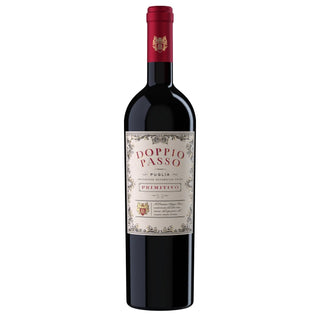
Primitivo from Puglia is one of the most forgiving wines to serve at home. At 15-18°C it delivers jammy dark fruit, spice, and smooth tannins in perfect harmony. Its higher alcohol (13.5-14.5% ABV) means that serving it too warm makes it feel heavy and hot. In Japan's summer, taking it out of the fridge 20-30 minutes before serving gets it almost exactly right — no thermometer required.
FAQ
Q. Can I chill red wine?
Yes, especially in summer — and in Japan's climate it's often essential. Avoid going below 12°C: tannins tighten and the wine tastes bitter. Light reds: 12-14°C. Full-bodied reds: 15-18°C.
Q. Do I need a wine cooler?
No. A regular fridge combined with timing (in 30 minutes, out 15 minutes) covers most situations. For long-term storage, 14-18°C in a stable environment is ideal, which generally does require a dedicated unit.
Q. Where do I store opened wine?
In the fridge, resealed. Bring it back to serving temperature before pouring. Drink within 3-5 days. A vacuum stopper extends freshness noticeably compared to just pushing the cork back in.
Q. What does "room temperature" mean on wine labels?
It refers to a European stone cantina or cellar, typically 15-18°C — not a modern heated or air-conditioned room. This is the most common source of over-warm wine service, especially in Japan.


Comments (0)
There are no comments for this article. Be the first one to leave a message!