

What Is Doppio Passo?
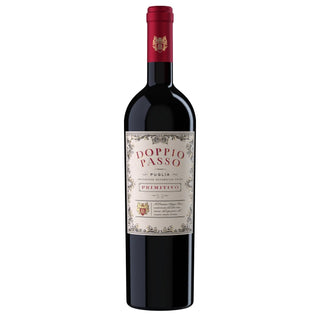
Doppio Passo is a dense, soft-textured Primitivo red from Puglia in southern Italy, named after the "double pass" (doppio passo means "two stages") winemaking method used to make it. The name refers not to a grape but to the way the wine is made in two stages. At Swirl, we are proud to bring you Doppio Passo as Japan's first and exclusive importer.
A Common Misunderstanding: "Doppio Passo" Is Not a Grape
Many people assume "Doppio Passo" is a grape variety, but it is a brand name and, at the same time, the name of a winemaking method. The grape inside is Primitivo, Puglia's signature black grape. DNA analysis has shown that Primitivo is the same variety as California's Zinfandel. Doppio Passo takes that Primitivo and vinifies it in two stages, giving a wine that is richer and gently sweeter than an everyday bottle.
What "Double Pass" Means
Here is how Doppio Passo is made. First, wine is fermented from grapes picked at the normal time. Then that wine is passed a second time over the skins of Primitivo grapes harvested later and lightly dried (appassimento). This "second pass" is the doppio passo. Drawing color, aroma, and a faint sweetness once more from the dried skins increases the wine's volume and roundness. Using dried grapes this way is age-old Puglian know-how.
How the Region Shapes the Style: The Land of Puglia
Puglia is the region in the "heel" of southern Italy, and the Salento peninsula is surrounded by sea on three sides. Strong daytime sun ripens the grapes fully, while cool evening breezes off the sea protect the fruit's aromatics. This day-to-night temperature swing gives Primitivo both power and finesse.
| Aspect | Character |
|---|---|
| Climate | Mediterranean, hot by day, cooled by sea breezes at night |
| Flavor | Full-bodied, ripe black fruit, a hint of sweetness |
| Tannin | Ample but round and soft |
| Serving temperature | 16 to 18C (a touch cooler in summer is fine) |
How to Enjoy It in Japan
Doppio Passo's mellow fruit is a superb match for Japan's sweet-savory seasonings. It sits beautifully alongside yakitori with tare sauce, buta no kakuni (braised pork), sukiyaki, and teriyaki, dishes built on sugar and soy sauce, because the toasty note of soy and the wine's gentle sweetness point in the same direction. It also handles staples like pizza and meat sauce with ease. In summer, chill it slightly and serve around 16C so it never feels heavy. Even without a wine cellar, 30 minutes in the fridge before serving is enough.
Federico's Recommendation
The reason I wanted to bring this wine to Japan is the satisfaction it delivers far beyond its price. Swirl has a contract with the producer Botter and introduces this Doppio Passo Primitivo as Japan's first and exclusive import. Carrying a bottle Italians drink every day to the Japanese table, just as it is enjoyed at home, is the greatest joy an importer can have. Try a bottle with your usual weeknight dinner.
How to Choose It, and FAQ
Q. Is it a sweet wine?
A. No, it is classified as dry. You will sense a faint sweetness from the ripe grapes and the double-pass method, so even those who dislike sweet wines can enjoy it.
Q. Isn't a dark red too heavy for beginners?
A. Its tannins are round, so it is ideal for people who are not fond of astringency. It makes a perfect introduction to red wine.
Q. Are Primitivo and Zinfandel the same?
A. They are the same variety. Only the name differs by country; the DNA matches.
Q. What temperature should I serve it at?
A. 16 to 18C is the baseline. In summer, a slight chill tightens up the fruit.
Easy to open without any fuss, and genuinely delicious. That is what Doppio Passo is.


Comments (0)
There are no comments for this article. Be the first one to leave a message!