

Biodynamic farming is an agricultural philosophy that integrates lunar cycles and celestial rhythms into the farming calendar, rejecting all synthetic pesticides and fertilizers. In wine, grapes grown biodynamically yield what producers call "biodynamic wine." It is frequently confused with organic wine, but the two are quite different.
Organic vs. Biodynamic: What Is the Difference?
Many treat "organic wine" and "biodynamic wine" as synonyms, but that is a misconception. Organic wine (certified under EU regulations) prohibits synthetic pesticides, herbicides, and fertilizers. Biodynamic goes further: it requires a lunar planting calendar and specific natural preparations (prépas). Every Demeter-certified biodynamic producer is also organic, but an organic-only producer is not biodynamic.
What Makes Biodynamic Wine Distinctive?
Biodynamic is a farming method, not a wine style — so flavor varies widely by grape, region, and winemaker. What practitioners consistently report, however, is that biodynamic farming amplifies terroir expression.
| Factor | Profile |
|---|---|
| Pesticides / herbicides | Not used (field to cellar) |
| Certification | Demeter (international), Ecocert |
| Lunar calendar | Root / Leaf / Fruit / Flower days guide farm work |
| Preparations | Natural compounds (e.g. BD500, cow manure fermented in horn) |
| Price | Typically higher than basic organic (handwork, small production) |
History and Philosophy of Biodynamics
Biodynamic agriculture traces back to 1924. The Austrian philosopher Rudolf Steiner delivered eight Agricultural Lectures to farmers at Koberwitz (now Kobierzyce, Poland) in June of that year. Drawing on his Anthroposophical worldview, Steiner conceived of farming as an interconnected system linking cosmos, earth, and humanity.
From the 1960s onward, German farmer Maria Thun independently researched the relationship between lunar movements and agricultural outcomes. She discovered that as the Moon moves through the twelve zodiac constellations, it correlates with four types of farming days — Root, Leaf, Fruit, and Flower days — and launched the Biodynamic Sowing and Planting Calendar in 1963. That calendar is still used worldwide. Some tasting rooms schedule tastings on Flower days, believing wine shows best then, and many wine lovers plan their bottles accordingly.
Enjoying Biodynamic Wine in Japan
When searching for biodynamic wine in Japan, look for the "Demeter" certification mark on the label or back label. Demeter International is the global certification body for biodynamic agriculture, setting strict standards from vine to bottle. Bottles can be pricey and quantities small, but producers faithful to biodynamic principles tend to craft wines that speak clearly of their origin.
Biodynamic wines pair beautifully with cuisine that lets ingredients speak for themselves: vegetable tempura, grilled seasonal vegetables, sashimi with minimal seasoning. The unadorned honesty of Japanese cooking amplifies the terroir transparency that biodynamic wines are known for.
Federico's Recommendation
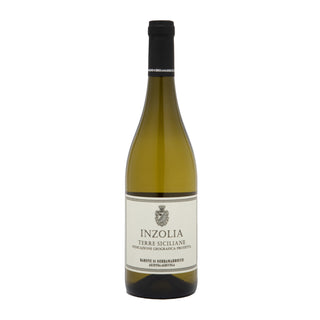
SWIRL's cellar does not yet carry a Demeter-certified biodynamic wine, but we do stock a certified organic white wine from Sicily that shares the same philosophy of natural farming: Barone di Serramarrocco Inzolia. Made from the indigenous Inzolia grape under the Sicilian sun, it is fresh and mineral — the ideal gateway into natural wine.
How to Choose: Finding the Certification
Three checkpoints when buying biodynamic wine: (1) Look for the Demeter or Ecocert biodynamic certification mark on the label. (2) Search the producer's name online to verify their commitment to biodynamic farming. (3) Check the vintage — many producers describe certain years as exceptional, and that context is worth knowing. Related article: What Is Organic (Bio) Wine?
Frequently Asked Questions
Q. What is the difference between biodynamic and organic wine?
A. Organic wine's main criteria are the absence of synthetic pesticides and additives. Biodynamic goes further, adding lunar-calendar-guided farm work and specific natural preparations (prépas). It is a more rigorous and philosophically grounded practice.
Q. Does the lunar calendar actually change how wine tastes?
A. Scientific evidence remains limited, but many sommeliers and producers attest that wine "shows differently" depending on the day. Some wineries schedule tastings on Flower days — it is worth experiencing for yourself.
Q. Where can I verify Demeter certification?
A. If the label carries a "Demeter" mark, the wine is certified. You can also search the producer's name on the Demeter International website (demeter.net) to confirm.
Q. Is biodynamic wine good for you?
A. With no synthetic pesticide residues and typically lower added sulfite levels, biodynamic wines do reduce certain exposure risks. Definitive health claims remain scientifically unproven — enjoy it as a thoughtfully farmed wine, not a supplement.
Q. Where can I buy biodynamic wine in Japan?
A. Natural wine shops and natural wine bars are your best bet. Online, look for sellers who explicitly state Demeter certification for the bottles they list.
The philosophy of biodynamic wine — moon, earth, and vines in dialogue — brings something singular to the glass. Bring a bottle to your next Japanese dinner and taste terroir in its most faithful form.


Comments (0)
There are no comments for this article. Be the first one to leave a message!