

Bio wine (also called organic wine) is wine made from grapes grown without synthetic pesticides or chemical fertilizers, using natural farming methods and minimal intervention in the cellar. The term comes from the French Biologique ("biological" or "organic"), and in Italy it is often called vino biologico.
In Japan, interest in bio wine has grown rapidly as more people seek wines that are kinder to the body and the environment. Yet the shelf can be confusing: "Organic," "Natural," "Bio," and "Biodynamic" labels appear side by side. Understanding the differences makes shopping much easier.
Bio Wine vs. Organic Wine vs. Natural Wine: what's the difference?
Many people mix these terms up. Here is a quick breakdown:
| Term | Meaning | Certification? |
|---|---|---|
| Organic Wine | Made from certified organic grapes, under EU or national standards | Yes (EU Organic, JAS, etc.) |
| Bio Wine | Everyday shorthand for organic wine; same meaning in practice | Same as above |
| Biodynamic | Organic farming taken further: guided by lunar cycles and treating the vineyard as a living system | Yes (Demeter, Biodyvin) |
| Natural Wine | No synthetic inputs + minimal cellar intervention, zero or near-zero additives | No formal certification — producer philosophy |
The key takeaway: bio/organic wine has certification; natural wine does not. Look for "EU Organic," "Biologico," or "AB Agriculture Biologique" on the label to confirm a wine is certified.
What does bio wine taste like?
A common misconception is that bio wine has a funky, unpredictable character. That reputation actually comes from natural wine (particularly no-sulfite wines), not from certified organic wine. Properly made organic wines are clean, expressive, and often clearer in their terroir character than conventional wines.
| Element | Typical profile |
|---|---|
| Body | Light to full — depends entirely on grape and region |
| Acidity | Bright and clear (fewer chemical residues) |
| Tannin (reds) | Fine-grained, naturally integrated |
| Aroma | Generous fruit with earthy, mineral nuance |
| Serving temp. | White: 6-10C / Red: 14-18C |
How bio wine styles change by region
| Region | Character |
|---|---|
| Sicily (Italy) | The EU's largest organic wine region. Warm, breezy, and naturally disease-resistant vineyards make organic farming the default for many producers. Indigenous whites like Inzolia and Grillo shine here. |
| Languedoc (France) | Mediterranean climate with low disease pressure. Organic is mainstream here. |
| Alsace (France) | Progressive producers; arguably the birthplace of biodynamic wine in France. |
| Napa Valley (USA) | Sustainable certification is most common; full organic is less widespread but growing. |
Sicily deserves a special mention. About 38% of Sicily's entire vineyard area carries organic certification, representing roughly 27.7% of all certified organic vineyards in Italy — making it the largest organic wine region in the EU. The warm, dry Mediterranean climate and sea winds keep the vines naturally healthy, making organic farming not an ideological choice but simply a practical one.
Enjoying bio wine in Japan: food pairings and practical tips
When I pour bio wine for guests in Tokyo, the most common question is: "Is it actually better for you?" The honest answer is that it tends to have fewer residual pesticides and lower added sulfite levels, which many people find easier on the body. However, the alcohol content is the same — so moderation still matters.
The clean, honest fruit and bright acidity of good bio white wine pairs beautifully with Japanese cuisine:
- Sashimi and sushi — the acidity plays off soy salt in a similar way to citrus
- Grilled fish — works with both white-fleshed and oily fish like mackerel
- Dashi egg roll (tamagoyaki) and chawanmushi — umami harmony
- Mountain vegetable tempura — the wine's brightness cuts through oil
No cellar? Store your bio wine in the vegetable drawer of your fridge (around 7-10C). Since many bio wines have lower added sulfites, aim to finish an opened bottle within 1-2 days for best flavour.
Federico's recommendation
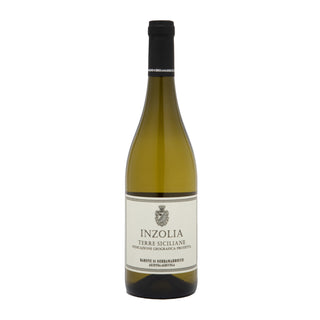
A wine I return to again and again is the Inzolia from Sicilian producer Serramarrocco. Made entirely from the indigenous Inzolia grape, farmed organically on the island's sun-baked hills, it has a translucent quality — citrus, white blossom, and a saline mineral thread that makes it a natural companion for fish dishes in any Japanese kitchen.
How to choose, serve, and store bio wine
Reading the label: Look for the EU Organic leaf logo, "Biologico," or "AB Agriculture Biologique." "Natural" or "Minimal Intervention" alone does not mean certified organic.
Drinking window: Most bio wines are made for early drinking. Premium examples (especially biodynamic wines) can evolve beautifully over 3-5 years.
Explore further: Bio wine is a natural gateway to orange wine and the broader world of natural and low-intervention winemaking.
Frequently asked questions
Q. Is bio wine more expensive than conventional wine?
A. It can be, due to certification costs and lower yields. But in regions like Sicily where organic farming is the norm, excellent bio wines are available at very accessible prices.
Q. Does "zero sulfites" mean a wine is organic?
A. No. Zero-sulfite wines follow the natural wine philosophy, not the organic certification standard. EU-certified organic wines may still contain small amounts of added sulfites (up to 100 mg/L for reds).
Q. Is it true that bio wine causes fewer headaches?
A. Some sensitive drinkers find wines with fewer additives easier to tolerate. However, the primary cause of headaches is alcohol itself, so pacing still matters most.
Q. How do I identify certified organic wine in Japan?
A. Look for the EU Organic logo on imported wines. Some imported wines also carry the Japanese JAS organic certification mark, which is increasingly common.
Q. What is the main difference between bio wine and biodynamic wine?
A. Organic (bio) wine focuses on what you don't use — no synthetic pesticides or fertilizers. Biodynamic wine adds a philosophical layer: farming in harmony with lunar cycles and treating the vineyard as a self-sustaining ecosystem. All biodynamic wines are effectively organic, but not all organic wines are biodynamic.


Comments (0)
There are no comments for this article. Be the first one to leave a message!