

What Are Tannins? Starting with the Definition
Tannins are naturally occurring polyphenol compounds found in grape skins, seeds, stems, and oak barrels — the components that give wine its astringency and structural backbone. In the mouth, tannins bind to salivary proteins and create a drying, puckering sensation. That feeling is the skeleton of red wine.
A Common Misconception: Astringency Is Not a Flaw
In Japan, many people associate "astringent" with "unpleasant." But think of tannins as the bass line in music: when present and balanced, they give the whole composition weight and make the wine far more food-friendly. The real issue isn't astringency itself — it's the difference between unripe tannins (harsh, green, sandpapery) and ripe tannins (fine-grained, silky, integrated).
Tannins come from three main sources: (1) Skin tannins — extracted during maceration in red wine production. (2) Seed tannins — more aggressively astringent, can add bitterness. (3) Oak tannins — leached from new barrels, carrying a woody, spice-inflected quality.
Tannin Levels by Grape Variety
| Variety | Tannin Level | Key Regions |
|---|---|---|
| Nebbiolo | Very high | Piedmont (Barolo, Barbaresco) |
| Tannat | Very high | Madiran (SW France) |
| Cabernet Sauvignon | High | Bordeaux, California |
| Sangiovese | Medium-high | Tuscany (Chianti, Morellino) |
| Merlot | Medium | Right Bank Bordeaux, Tuscany |
| Pinot Noir | Low | Burgundy, Oregon |
| Grenache | Low | Rhone, Spain |
Low tannin does not mean high quality. Nebbiolo produces some of the greatest red wines in the world and has very high tannins. What matters is tannin quality: whether it feels silky and fine-grained, or rough and drying.
Tannin Styles by Region
| Region | Tannin Character |
|---|---|
| Tuscany (Italy) | Sangiovese-driven. Firm when young, becoming silky with age. |
| Piedmont (Italy) | Nebbiolo's formidable tannins. Barolo, called the "king of wines," often benefits from a decade of cellaring. |
| Bordeaux (France) | Cabernet Sauvignon's rich tannins softened by Merlot blending — complexity through contrast. |
| Burgundy (France) | Pinot Noir's delicate tannins: silky, food-versatile, approachable young. |
Tuscany has a technique called Governo all'uso toscano, dating back to the 14th century. After harvest, a portion of grapes is dried until semi-raisin, then added to the new wine once primary fermentation is nearly complete, triggering a secondary fermentation. This process rounds out body, adds richness, and softens the angular tannins characteristic of Sangiovese. It is still technically permitted in some Chianti sub-zones today — a living piece of Tuscan winemaking wisdom. Almost no one in Japan knows the word "Governo."
Enjoying Tannic Wines with Japanese Food
"Tannic red wines don't work with Japanese food" — many people believe this. It's true that delicate sashimi and refined dashi-based dishes don't pair well, but there are plenty of Japanese dishes that are sensational with structured red wine.
The golden rule: fat wraps tannins. When fat and tannins meet in the mouth, the astringency softens and only the savory quality remains.
- Sukiyaki: the beef fat and Sangiovese tannins are a natural match; the sweet warishita sauce softens the grip further
- Yakitori (thigh meat / skin): fatty cuts and tannins are a classic pairing
- Braised pork belly (kakuni): soy-sugar braising liquid and tannin play beautifully against each other
- Cheese gyoza: fat plus fermented flavor together dissolve tannin in one go
Temperature matters too. Tannins feel harsher when the wine is too cold. Aim for 15-18°C (12-14°C even in summer). Simply letting a bottle sit out for ten minutes after pulling it from the refrigerator can transform the mouthfeel.
Federico's Pick
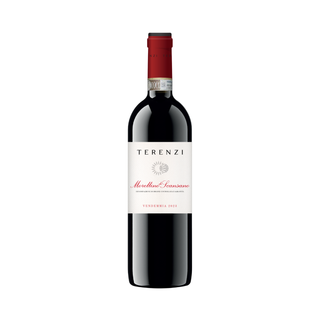
If you want to understand tannins, Sangiovese is the ideal teacher. What I often pour at Swirl is Morellino di Scansano from the Maremma coast in Tuscany. It doesn't carry the sheer weight of Barolo, but it has real structure inside bright, fruit-forward character — the perfect vehicle for experiencing what "good astringency" actually feels like.
See Morellino di Scansano (Maremma) for details.
Working with Tannins: Decanting, Temperature, and Aging
High-tannin wines benefit from 30 minutes to one hour of decanting before serving. Exposure to air oxidizes the tannins, rounding off the grip and adding a sense of volume. Try this especially with young Barolo or Chianti Classico.
With bottle age, tannins polymerize and gradually soften, sometimes forming sediment. A wine that tastes aggressively astringent today may be remarkably smooth in five to ten years. See How to Store Wine for more on cellaring.
Frequently Asked Questions
Q. Are tannins good for you?
A. As a type of polyphenol, tannins have antioxidant properties — one reason moderate red wine consumption is often linked to health benefits in research. That said, it is still alcohol; moderation applies.
Q. Do white wines contain tannins?
A. Very small amounts, but since conventional white wine ferments without skins, you rarely notice them. The exception is orange (skin-contact) wine.
Q. I don't like astringency. What can I do?
A. (1) Decant to let the wine breathe. (2) Pair with fatty foods like cheese or meat. (3) Serve slightly warmer (15-18°C). (4) Start with lower-tannin varieties like Pinot Noir or Grenache.
Q. Does an astringent wine just mean it's young?
A. Not necessarily. Variety is a bigger factor than age: Nebbiolo remains tannic even after decades, while some young Cabernets are made to be approachable immediately.
Q. Do tannins cause red wine headaches?
A. This is commonly said, but the scientific evidence is not yet settled. Histamines, tyramine, and simply drinking too much are more frequently cited as causes.


Comments (0)
There are no comments for this article. Be the first one to leave a message!