

What Is Orange Wine? Starting with the Definition
Orange wine is white wine fermented together with its grape skins, seeds, and stems — exactly how red wine is made — resulting in an amber to orange-hued wine. Also known as "skin-contact wine," it has attracted worldwide attention alongside the natural wine movement in recent years.
A Common Misconception: "Orange" Refers to the Color, Not the Fruit
Many people assume orange wine is made from oranges — but it isn't. There are no citrus fruits involved. The grape skins contain polyphenols and pigments that leach into the wine during extended maceration, turning it amber to orange. Another common question: is it sweet? In general, orange wines are dry.
Conventional white wine separates skins from juice immediately after harvest. Orange wine, like red wine, leaves skins, seeds, and stems in the fermentation vessel for anywhere from a few days to several months. This maceration process creates the distinctive color, aromatics, and tannins.
Flavor Profile
| Characteristic | Typical Range |
|---|---|
| Body | Medium to full (longer maceration means more weight) |
| Acidity | Medium to medium-high |
| Tannins | Light to medium (gentle grip from white grape skins) |
| Aromas | Apricot, ginger, tea, honey, walnuts, dried fruit |
| Serving Temperature | 12-14°C (slightly warmer than conventional white wine) |
In a word: orange wine delivers white wine's fruity brightness alongside red wine's structural backbone — a genuinely unique combination that often surprises first-time drinkers.
Styles by Region
| Region | Style |
|---|---|
| Friuli-Venezia Giulia (Italy) | Home of ramato, a copper-hued skin-contact Pinot Grigio. Pioneers include Josko Gravner and Stanko Radikon. |
| Georgia | Birthplace of wine: qvevri clay vessels buried underground have been used for maceration for 8,000 years. |
| Slovenia | Bordering Friuli, producing mineral-driven styles in a similar idiom. |
| Sicily (Italy) | Native varieties Inzolia and Catarratto are gaining attention as skin-contact material. |
Friuli has a word for it: ramato, meaning "copper-colored" in Italian. It describes the traditional style of skin-fermented Pinot Grigio that was standard practice in Friuli before the 1960s push toward clean, modern whites.
The producer who revived this tradition for a global audience is Josko Gravner, from Friuli's Collio zone. After losing most of his harvest to hail in 1996, he experimented with extended skin contact on surviving Ribolla Gialla, then traveled to Georgia in 2001 to study qvevri winemaking firsthand. The wines he released using buried clay vessels introduced orange wine to the wider world. Remarkably, Friuli's ramato heritage remains almost unknown in Japan even today.
Enjoying Orange Wine in Japan: A Hidden Affinity with Fermented Foods
When I recommend orange wine to Japanese customers, I always say: try it with fermented foods. Miso, tsukemono pickles, soy-braised dishes, the umami of shiitake — the fermentation-derived aromas in Japanese cooking resonate strikingly with the amber complexity of a well-made orange wine.
Pairings I particularly enjoy:
- Braised pork belly (kakuni): the soy-mirin glaze and tannin grip create a pleasing counterbalance
- Mushrooms sauteed in butter and soy: nutty aromatics and earthy finish echo each other
- Miso dengaku / saikyo-yaki: miso's fermented funk marries perfectly with beeswax and apricot notes
- Thai and Southeast Asian cuisine: the wine's structural backbone handles spice complexity well
A practical tip: serve at 12-14°C, slightly warmer than typical white wine. Take it out of the refrigerator about ten minutes before pouring. Once open, orange wine holds up to oxidation better than most whites, often staying fresh for two to three days.
Federico's Pick
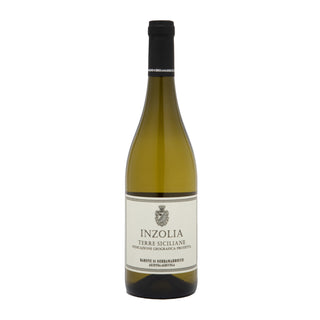
What I often pour at Swirl is an organic white made from Sicily's native Inzolia grape. Grown under certified organic viticulture, Inzolia carries richly aromatic compounds in its skins, making it a variety with a natural affinity for the skin-contact philosophy. It isn't orange wine per se, but it belongs to the same cultural universe: Italian natural winemaking. For anyone curious about that world, it's an ideal starting point.
See Inzolia Bio (Sicily) for details.
How to Choose, When to Drink, and Similar Wines
The key variable when selecting an orange wine is maceration length. Short (3-7 days) produces relatively fresh, approachable wine; extended (weeks to months) gives depth and complexity. If you're new to the category, start short.
The closest analog is rose: if rose is red grapes with brief skin contact, orange wine is white grapes with extended skin contact. It also features prominently in natural wine discussions. See What Is Natural Wine? for more.
Frequently Asked Questions
Q. Is it actually orange in color?
A. Color ranges from pale amber to deep orange to brownish-gold depending on maceration length. No two bottles look exactly alike.
Q. Is it sweet?
A. Generally dry. The name misleads many people, but sugar levels are low in most orange wines.
Q. What grapes are used?
A. Any white variety. Common choices include Pinot Grigio and Ribolla Gialla (Friuli), Rkatsiteli (Georgia), and Inzolia (Sicily) — producers typically use their region's indigenous varieties.
Q. Are there health benefits?
A. Orange wine contains more polyphenols from grape skins than conventional white, closer to levels found in red wine. That said, it is still an alcoholic beverage; enjoy in moderation.
Q. Is it good for red wine drinkers?
A. Yes. If you're accustomed to red wine's structure and grip, orange wine makes an excellent bridge to white wine.


Comments (0)
There are no comments for this article. Be the first one to leave a message!