

When you hear "orange wine," you might picture a citrus-flavored drink. In reality, it is a one-of-a-kind wine category defined by its amber glow, produced by fermenting white grapes together with their skins. This "skin-contact" technique, something I, Federico, grew up seeing as perfectly normal in Italy, now captivates wine lovers around the world. From 8,000-year-old clay vessels buried in Georgian soil to the avant-garde winemakers of Friuli, let's explore together this "fourth category of wine" that is neither white nor red.
What Is Orange Wine? The Basics
Orange wine is a white grape wine fermented in the same way as a red, with the skins left in contact with the juice, resulting in hues that range from amber to deep orange. Also known formally as "skin-contact wine," it has drawn global attention alongside the rise of the natural wine movement.
Conventional white wine is made by separating the skins from the juice immediately after harvest and fermenting the juice alone. Orange wine reverses this process: the skins and seeds stay in the fermentation vessel for anywhere from a few days to several months, a step called "maceration" (macération). This extended contact is what produces the wine's distinctive amber color, complex aromas, and gentle tannins. The "orange" in the name refers not to citrus fruit but to the orange-tinged hue that appears when polyphenols and pigments leach from the white grape skins into the wine.
"Is orange wine sweet?" is a question I hear often. In general, it is dry. If I had to describe it in a single phrase, it would be: a drink that delivers the fruit of a white wine and the structure of a red, all at once. Many people are genuinely surprised when they taste one for the first time. In Italy's natural wine bars, regulars increasingly order an orange wine right after their aperitivo Prosecco. In Milan and Turin especially, enotecas carrying dozens of orange wines on their list alone are no longer unusual.
Tasting Profile
| Element | Typical characteristics |
|---|---|
| Appearance | From pale amber to orange to deep tawny (varies with maceration length) |
| Body | Medium to full (longer maceration gives more weight) |
| Acidity | Medium to moderately high |
| Tannins | Light to medium (gentle astringency from white grape skins) |
| Aromas | Apricot, ginger, black tea, honey, nuts, dried apricot |
| Serving temperature | 12 to 14°C (slightly warmer than a standard white) |
The greatest appeal of orange wine lies in its complexity. The fresh fruit character of a white wine, the tannic grip of a red, and unique nuances of apricot, beeswax, and black tea that belong to neither category mingle together in the glass. Most orange wines truly come alive about 30 minutes after opening, once they've had some air, so pour into a generous glass and give them a moment. I first encountered orange wine at a tiny osteria in Friuli. I still vividly remember looking at the glass and asking, "Is this a white or a red?" Having tasted hundreds of wines as a sommelier, no experience has expanded my understanding of what wine can be quite like orange wine did.
How Regions Shape the Style
| Region | Style characteristics |
|---|---|
| Georgia | 8,000 years of qvevri winemaking. The birthplace of orange wine |
| Friuli-Venezia Giulia (Italy) | Famous for "ramato," the copper-hued Pinot Grigio. Gravner and Radikon are the pioneers |
| Slovenia | Bordering Friuli, producing mineral-driven styles |
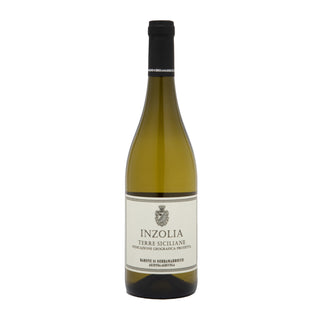
| Sicily (Italy) | Indigenous varieties Inzolia and Catarratto gaining attention as skin-contact grapes |
| Japan | Growing interest in skin-contact Koshu and Delaware. An emerging trend to watch |
Georgia's Supra and Qvevri: Where Orange Wine Began
🏺 Supra and Qvevri Winemaking
Georgia has a cherished tradition called the "supra," a ceremonial feast. The head of the family or an elder serves as the tamada (toastmaster), offering poetic speeches with each toast while guests share glass after glass of amber wine made in qvevri: large, unglazed clay vessels buried underground for fermentation and aging, a method dating back to around 6000 BCE. Georgia's winemaking culture was inscribed on UNESCO's Intangible Cultural Heritage list in 2013. It was the Italian winemaker Josko Gravner who, after visiting Georgia in the 1990s, brought qvevri winemaking back to his homeland, igniting the modern orange wine movement worldwide.
Friuli already had its own tradition called "ramato", Italian for "copper-colored," a style of Pinot Grigio fermented with its skins. From the 1960s onward, as clean, fresh modern whites became the norm, this tradition faded. Then Gravner, prompted by a devastating hailstorm in 1996 that left him only his Ribolla Gialla, experimented with extended skin contact. After visiting Georgia in 2001, he introduced qvevri winemaking to Friuli. The wines he released brought the very existence of orange wine to the attention of enthusiasts worldwide: a fusion of ancient Georgian wisdom and Italian innovation.
Today the tiny area of Oslavia has become a pilgrimage site for orange wine devotees, with an annual tasting event that draws buyers and journalists from around the globe. Young winemakers inspired by Gravner and Radikon continue to honor traditional maceration techniques while pushing new forms of expression.
Orange Wine on the Japanese Table
Whenever I recommend orange wine to customers in Japan, I always say the same thing: "Try it with fermented foods." Miso, nukazuke pickles, soy-based simmered dishes. The fermentation-derived aromas of Japanese cuisine resonate with the amber complexity of orange wine in a way that can be astonishing. There is actually a scientific basis for this affinity: both fermented foods and skin-contact wines are rich in amino acids and phenolic compounds, creating a synergistic umami effect on the palate.
Classic pairings: kakuni (braised pork belly, where the sweet-savory soy and mirin glaze interplays with the wine's tannic grip), mushrooms sauteed in butter and soy (the nutty aromas and earthy finish echo one another), and miso dengaku or saikyo-yaki (the fermented character of miso matches the beeswax and apricot notes perfectly). Perhaps surprisingly, Thai and other spice-forward cuisines pair beautifully as well: orange wine's structure absorbs the complexity of spice without flinching.
Serving tips: serve at 12 to 14°C, a touch warmer than a standard white, to let the aromas open up. The Italian way is to take the bottle from the fridge and let it sit for about ten minutes. Once opened, orange wine is more oxidation-resistant than typical whites; most hold their flavor for two to three days, making it a luxury to enjoy the gradual evolution. A large, red-wine-style glass is also recommended. Bring an orange wine to a dinner party and someone will inevitably ask, "What is this?" In that sense, orange wine is also the perfect conversation starter.
Your Gateway to Orange Wine: SWIRL's Lineup
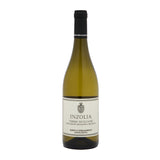
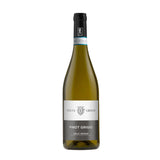
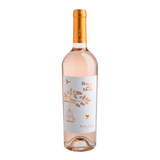
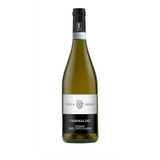
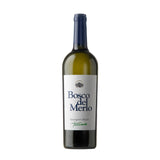
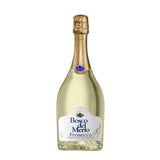
At the moment SWIRL does not carry an orange wine per se. However, we do stock wines closely linked to the orange wine world: Italian natural wine culture, Sicilian indigenous varieties, and grapes rooted in the ramato tradition of Friuli. If you've been curious about orange wine but don't know where to start, these gateway bottles are the perfect first step.
Choosing, Drinking Windows, and Similar Wines
The single most important factor when choosing an orange wine is maceration length. Short maceration (3 to 7 days) tends to be relatively fresh and easy-drinking, a good starting point for beginners. Long maceration (weeks to months) yields richer, more complex wines that pair brilliantly with cheese and cured meats. Check the back label or the producer's website for maceration details. Prices range broadly, from around 2,000 to over 10,000 yen, but for a first bottle the 3,000 to 5,000 yen range strikes a good balance between quality and value. At wine shops, you'll often find orange wines in the "natural wine" section, so asking the staff for "a good first orange wine" is a reliable approach.
For a similar experience, consider rose wine. If rose is "short skin contact with red grapes," then orange wine is "long skin contact with white grapes." Understanding this symmetry deepens your grasp of winemaking itself. Other boundary-defying styles such as pet-nat (petillant naturel) and qvevri-aged wines are also on the rise. Orange wine was the vanguard of this movement and remains the best category for experiencing wine's diversity firsthand. Orange wine is also widely discussed in the context of natural wine (vin naturel), so see our guide to natural wine as well.
Frequently Asked Questions
Is it really orange?
It ranges from pale amber to orange to deep tawny, depending on maceration length. The fact that every bottle looks different is because the combinations of grape variety and maceration time are virtually endless. Simply comparing the colors side by side is enough to appreciate the depth of the orange wine world.
Is orange wine sweet?
It is generally dry. Many people expect sweetness from the name, but the sugar level is not high. Bitterness and tannins from the skins actually make most orange wines taste quite dry. That said, a rare off-dry style does exist, so check the label if sweetness matters to you.
What grapes are used?
Any white grape can be made into orange wine. The most prominent varieties include Pinot Grigio and Ribolla Gialla (Friuli), Rkatsiteli (Georgia), Inzolia and Catarratto (Sicily), and Koshu (Japan). The frequent use of local indigenous varieties is one of orange wine's most fascinating aspects.
Is it a good fit for red wine lovers?
Absolutely. For anyone accustomed to the tannic structure of reds, orange wine is the ideal bridge into the world of white grapes. People who once felt that white wines lacked body are often amazed to discover the range of expression white grapes can offer. Conversely, white wine lovers who try orange wine often uncover an entirely new facet of the varieties they already enjoy.
How should I store it, and when should I drink it?
Store unopened bottles just like any white wine: in a cellar or a cool, dark place. Ideal storage temperature is 12 to 15°C, away from direct sunlight and vibration. The drinking window depends on the style: fresh, short-maceration types are best within one to three years, while serious long-maceration examples can age five years or more. After opening, most orange wines hold up for two to three days, like a red, and the gradual evolution is part of the pleasure. Some bottles actually taste more integrated on day two, so there's no need to finish the bottle in one sitting.
Conclusion
Orange wine is the "fourth category" that expands the world of wine beyond white, red, and rose. Behind it lies a rich tapestry of culture and philosophy: 8,000 years of Georgian history, the daring experiments of Friuli's innovators, and the untapped potential of Sicily's indigenous grapes. In Japan too, skin-contact Koshu and Delaware wines have been gaining ground in recent years, forging new connections with the Japanese table.
SWIRL does not yet carry an orange wine itself, but we offer a wide selection of Italian natural wines connected to the orange wine tradition. Pour a glass of Inzolia or Pinot Grigio and imagine: "What would this taste like if it were fermented on its skins?" Understanding a grape's character is the best compass you can have when the time comes to choose an orange wine. Let that curiosity lead you deeper into the world of wine. The next time you spot an orange wine at a wine bar or shop, give it a try. A new discovery awaits.
References: UNESCO, "Ancient Georgian traditional Qvevri wine-making method"; Simon J. Woolf, Amber Revolution (Interlink Books, 2018); Consorzio DOC Friuli Venezia Giulia official materials


Comments (0)
There are no comments for this article. Be the first one to leave a message!