

The alcohol content (ABV) of sparkling wine is mostly around 11 to 12%, while sweet styles like Asti and Moscato Spumante sit lower, at about 5 to 7%. Many people assume bubbles mean high alcohol, but sparkling wine is usually the same as, or even slightly lighter than, still wine. This guide covers the ABV and calorie guidelines by type, plus easy ways to enjoy it.
A common misconception: sweet does not mean higher ABV
The most frequent mix-up is thinking sweeter sparkling wine is stronger. It is often the opposite: sweet styles like Moscato d'Asti are made with the alcohol deliberately kept low, around 5 to 6%, while dry Prosecco and Champagne are higher, at 11 to 12%. ABV is decided not by sweetness but by how much sugar was converted into alcohol during fermentation. As for calories, leftover sugar (residual sugar) is what adds up. For the same volume, dry (Brut) styles tend to be lower in calories than sweet ones, which is worth remembering when you choose.
ABV and calorie guidelines by type
| Type | Typical ABV | Calories per 100ml (approx.) | Sweetness |
|---|---|---|---|
| Prosecco (Brut) | approx. 11% | approx. 70 to 80 kcal | Dry |
| Champagne | approx. 12% | approx. 75 to 85 kcal | Mostly dry |
| Cava | approx. 11.5% | approx. 75 to 85 kcal | Mostly dry |
| Asti / Moscato d'Asti | approx. 5 to 7% | approx. 90 to 110 kcal | Sweet |
The figures are guidelines only. In one glass (about 100ml), a dry sparkling is less than a third of a glass in calories. Sweet styles are the lowest in ABV, but their residual sugar pushes the calories a little higher.
How style changes by region
| Region | Signature bubbles | Character |
|---|---|---|
| Veneto (Italy) | Prosecco | Light and fresh, moderate ABV, everyday-friendly |
| Piedmont (Italy) | Asti / Moscato d'Asti | Sweet and low in alcohol, great for dessert or a morning glass |
| Champagne (France) | Champagne | Complex and rich, ABV slightly higher |
Veneto, Prosecco's home, actually has a culture of enjoying wine with the alcohol turned down. The famous Spritz is said to have begun in the 19th century, when the Austrians who ruled the region found the local wine too strong and diluted it with soda water (spritzen is German for to splash). Venice also has the ombra (meaning shadow), a small glass of wine drunk lightly through the day, a name said to come from merchants who kept their wine cool in the moving shade of St. Mark's Campanile. Not a long, heavy session, but a light little glass. It fits the modern, ABV-conscious way of drinking surprisingly well.
Enjoying it in Japan, and for those who mind ABV and calories
Pouring bubbles all over Tokyo, what I have come to believe is that ABV and calories are things you can control through how you choose and how you drink. First, on a day you want something clean, pick a dry (Brut) Prosecco: lower in residual sugar and easy to match with food. Next, when you want the alcohol even lighter, make it a proper Venetian-style Spritz (Prosecco, soda water and ice, with a little liqueur if you like), and the perceived strength drops right down. Paired with fried food, gyoza or tempura, the bubbles reset your palate, so even a small amount feels satisfying. Do not over-chill: around 8 to 10C in a smaller glass, slowly, is the most delicious and the smartest way to drink.
Federico's pick
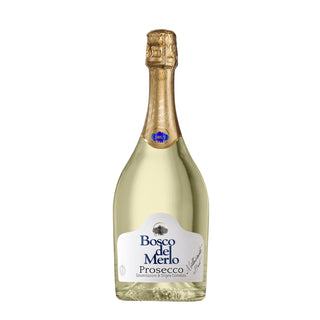
The one I always recommend for beginners is the dry Prosecco Millesimato Brut. It is about 11% ABV, a Brut with restrained residual sugar and light aromas of green apple and white flowers. Lovely on its own or as a Spritz, it is a perfect bottle for a day when you are mindful of ABV and calories.
Choosing, serving and similar styles
If you want lower ABV, go for sweet Moscato styles (5 to 7%); if you want fewer calories, go for a dry Brut. Choosing by purpose is the trick. Serve dry styles at 6 to 8C and sweet styles at 5 to 6C, well chilled, so the sweetness never feels heavy. To understand the difference between Prosecco, Champagne and Cava, see our guide to types of sparkling wine; for choosing in general, the how to choose sparkling wine guide; and for ABV and calories across all wine, our wine ABV and calories guide.
Frequently asked questions
Q. Does sparkling wine make you gain weight?
A. In moderation, there is no need to worry. A dry sparkling is about 70 to 80 kcal per glass, often less than a sweet soft drink. On days you mind it, choose dry and be aware of quantity and snacks.
Q. Which has the lowest ABV?
A. Sweet Moscato d'Asti and Asti, at around 5 to 7%. They are among the lightest of all wines.
Q. Dry or sweet: which is lower in calories?
A. Generally dry (Brut). Even at similar ABV, sweet styles are a little higher because of residual sugar.
Q. What is a common mistake?
A. Assuming sweet means light, so it will not add up. ABV may be low, but sweet styles are higher in calories. On a day you want to keep it light, a dry Brut is the right answer.
Do not overthink it: match the bottle to the moment. A chilled glass of bubbles makes a late-summer table feel that much lighter.


Comments (0)
There are no comments for this article. Be the first one to leave a message!