

Wine calories come from two sources: alcohol and residual sugar. A glass of red wine (150 ml) contains roughly 110 to 145 kcal, while white wine runs about 105 to 130 kcal. Compared to a can of beer (350 ml), wine has roughly one quarter the sugar content. Choose wisely, and wine is far from the "fattening drink" many people imagine. This guide compares calories, sugar and ABV across every wine type, with practical tips for enjoying wine at the Japanese table.
Common Misconception: Does "Sweet" Really Mean "High Calorie"?
The most common misconception about wine calories is that sweet wines are high in calories. In reality, the biggest calorie contributor is alcohol (7 kcal per gram), which packs more energy than sugar (4 kcal per gram).
Take Moscato d'Asti from Piedmont: at just 5 to 5.5% ABV, its residual sugar is relatively high, but a glass (150 ml) comes to only 75 to 80 kcal. Meanwhile, a dry full-bodied red (14 to 15%) has almost zero residual sugar yet clocks in around 140 kcal per glass. In other words, a sweet wine can actually be lower in calories than a dry one. When ABV is low, even a sweet wine stays moderate in total calories.
When I was at university in Rome, my friends would choose only dry wines to watch their calories. When I offered them a glass of Moscato after dinner, they were surprised: "This is the lightest one?" The numbers speak for themselves.
How Wine Calories Work: The Alcohol and Sugar Equation
Wine calories are determined by two components: alcohol (ethanol, roughly 7 kcal per gram) and residual sugar (glucose and fructose, roughly 4 kcal per gram). Dry wines (residual sugar below 2 g/L) tend to be higher in calories because of their higher ABV, while sweet wines with lower alcohol can end up in the middle range, or even below a dry red.
During winemaking, yeast converts grape sugar into alcohol and carbon dioxide. If fermentation is halted by cooling the tank, residual sugar remains and ABV stays low (this is how Moscato d'Asti is made). If fermentation runs to completion, the sugar is fully consumed and ABV rises. "Sweetness" and "ABV" exist in this trade-off relationship.
Wine Calorie Spectrum (per 150 ml)
5% / Sweet sparkling
11% / Dry sparkling
12% / Soave etc.
12% / Pinot Grigio style
13.5% / Sangiovese etc.
14.5% / Primitivo etc.
7-15% / Passito style
Red, White & Rosé: Complete Calorie and Sugar Comparison
Red wine (150 ml) contains about 2 to 3 g of sugar and 110 to 145 kcal. White wine (150 ml) has about 3 to 5 g of sugar and 105 to 130 kcal. "Which is less fattening, red or white?" The answer is: they are nearly the same. The difference is just 1 to 2 g of sugar and 5 to 15 kcal. If anything matters, it is ABV: choosing a lower-ABV dry wine is the easiest way to cut calories.
| Wine type | ABV range | Calories per 150 ml | Sugar per 150 ml |
|---|---|---|---|
| Moscato d'Asti | 5-5.5% | 75-80 kcal | ~14-16 g |
| Prosecco (dry) | ~11% | 100-110 kcal | ~4-6 g |
| Dry white (Soave, Pinot Grigio, etc.) | 11-13% | 105-130 kcal | ~3-5 g |
| Dry rosé | 11-13% | 100-120 kcal | ~4-6 g |
| Dry red (Sangiovese, Syrah, etc.) | 12-15% | 110-145 kcal | ~2-3 g |
| Dessert wine (Passito style) | 7-15% | 120-180 kcal | ~12-25 g |
For those watching carbs or managing their weight, dry red wine has the lowest sugar content per glass. However, "low sugar" does not equal "low calorie," so check both ABV and calorie estimates. See also our Wine Beginner's Guide and How to Choose Sparkling Wine.
How ABV Varies by Wine Type
| Category | Main reason | ABV range |
|---|---|---|
| Light sparkling (Moscato d'Asti, etc.) | Fermentation halted by cooling; high residual sugar | 5-6% |
| Prosecco (Glera grape) | Charmat method preserves fruit character; slight residual sugar | 11-12% |
| Italian dry white (Soave, Pinot Grigio, etc.) | Hillside temperature swings build grape sugar | 11-13% |
| French dry white (Chardonnay, etc.) | Cool climate, higher acidity | 12-14% |
| Italian red (Sangiovese, Nebbiolo, etc.) | Abundant sunshine and traditional full fermentation | 13-14.5% |
| Full-bodied red (Primitivo, Syrah, etc.) | Warm regions push grape sugar levels higher | 13.5-15% |
In winemaking terms, ABV is determined by "where you stop fermentation." Leave more residual sugar and ABV stays low; ferment to completion and ABV rises. Moscato d'Asti achieves its combination of sweetness and low alcohol by deliberately cooling the tank to halt fermentation partway through. In contrast, southern Italian varieties like Primitivo and Syrah grow in warm climates where grape sugar reaches very high levels, resulting in naturally high ABV after full fermentation.
Sparkling Wine Calories and Sugar: Dry vs. Sweet
"Sparkling wine is fattening" is a claim you hear often, but it is simply not true. A standard glass of sparkling wine is 120 ml (smaller than the 150 ml table-wine pour), so per-glass calories are actually quite moderate. The real variable is whether it is dry (Brut) or sweet (Demi-Sec, Moscato style): the sugar content differs dramatically. Brut (residual sugar below 12 g/L), Extra Dry (12-17 g/L), Demi-Sec (32-50 g/L): the sweetness label on the bottle tells you what to expect.
| Sparkling wine | ABV range | Calories per 120 ml | Sugar per 120 ml |
|---|---|---|---|
| Champagne (Brut) | ~12% | ~90 kcal | ~3-5 g |
| Prosecco (Brut) | ~11% | ~80-85 kcal | ~4-6 g |
| Cava (Brut) | ~11.5% | ~85 kcal | ~4-5 g |
| Moscato d'Asti (sweet) | 5-5.5% | ~60-65 kcal | ~14-16 g |
Dry sparkling wine (Brut) at 120 ml per glass comes to just 80 to 90 kcal, with only 3 to 6 g of sugar: one of the least caloric wine categories. Sweet Moscato d'Asti has more sugar, but at just 5% ABV, a glass can be lower in total calories than a dry red (150 ml, 110 to 145 kcal). Look for "Brut" on the label as your marker for dry sparkling. The myth that "sparkling wine is fattening" usually comes from drinking sweet styles or pouring larger servings.
Wine vs. Beer and Sake: Calorie Comparison
"Is wine more fattening than beer?" This is one of the most common questions. Per 100 ml, wine is higher in calories (beer ~40 kcal, red wine ~73 kcal), but serving sizes are completely different. Compare a 150 ml glass of dry wine with a 350 ml can of beer, and wine actually comes out lower in both calories and sugar.
| Drink | Serving size | Calories | Sugar |
|---|---|---|---|
| Dry red wine | Glass 150 ml | ~110-120 kcal | ~2-3 g |
| Dry white wine | Glass 150 ml | ~105-115 kcal | ~3-5 g |
| Dry sparkling | Glass 120 ml | ~80-90 kcal | ~3-6 g |
| Beer (350 ml can) | 350 ml (1 can) | ~140-145 kcal | ~10-11 g |
| Sake (nihonshu) | 1 go (180 ml) | ~185-200 kcal | ~6-8 g |
| Shochu (sweet potato/barley, 25%) | On the rocks 60 ml | ~85 kcal | 0 g |
Per serving, dry wine has 7 to 8 g less sugar than a can of beer and 20 to 30 fewer calories. For those focused on sugar intake, dry red wine and dry sparkling (Brut) are the most accessible choices. Shochu has zero sugar, but watch the calories from mixers. Ultimately, controlling your glass size and number of glasses matters most.
Enjoying Wine in Japan: Tips from Piedmontese Tradition
When watching calories and ABV, there is one simple rule: start with lighter wines. Begin with a light sparkling as an aperitif, move to a light white or rosé, then finish with your main red. This naturally keeps your total alcohol intake in check.
In Piedmont, there is a tradition called "merenda sinoira," a late-afternoon snack taken between 5 and 7 pm. Between rounds of farm work, locals enjoy local salumi, cheese and tajarin pasta, finishing with a glass of Moscato d'Asti's sweet bubbles. One light sparkling glass to wash away the afternoon's fatigue before heading back to work. It is a charming Piedmontese lifestyle habit that is virtually unknown in Japan.
To bring this to the Japanese table, try serving a chilled light sparkling (Prosecco or Moscato d'Asti) as an aperitif. It pairs beautifully with light starters like edamame, chilled tofu or potato salad. For dessert, a sweet Moscato goes surprisingly well with fruit, yokan (sweet bean jelly) and even ichigo daifuku (strawberry mochi). "Sweet wine with yokan and ichigo daifuku" may sound surprising, but Moscato's white peach aroma lifts the subtle sweetness of Japanese confections.
Four Tips to Keep Wine Calories in Check
1. Start with a lower-ABV wine: Moscato d'Asti (5%) or Prosecco (11%) as your aperitif.
2. Watch your pour size: The standard is 120 ml for sparkling and 150 ml for table wine. Measure at home and you may be surprised how much you have been pouring.
3. Alternate with water: In Italian restaurants, water is always on the table. Drink a glass of water between every glass of wine. It slows your pace and makes the morning after much more pleasant.
4. Enjoy with food: Drinking wine on an empty stomach speeds up alcohol absorption. Pair with snacks containing fat and protein, like cheese, prosciutto or nuts.
SWIRL Wines: Choose by ABV and Calories
Here are the Italian wines SWIRL imports, sorted from lowest to highest ABV. When watching calories, start from the top; when you want something richer, start from the bottom. All wines listed are currently in stock.
| Wine | Grape variety | ABV | Calories per 150 ml | Type |
|---|---|---|---|---|
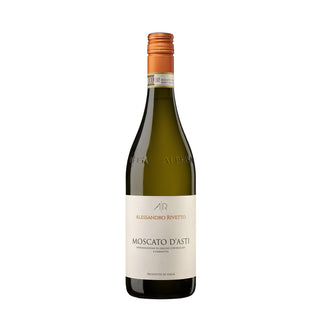
| Moscato d'Asti (Rivetto) | Moscato | 5.5% | ~78 kcal | Sweet sparkling |
| Doppio Passo Moscato | Moscato | 6% | ~82 kcal | Sweet sparkling |
| Prosecco Brut (Bosco del Merlo) | Glera | 11% | ~90 kcal | Dry sparkling |
| Prosecco Rosé (Bosco del Merlo) | Glera/Pinot Nero | 11.5% | ~95 kcal | Dry sparkling |
| Pinot Grigio (Grillo Iole) | Pinot Grigio | 12.5% | ~108 kcal | Dry white |
| Farinaldo Soave (Grillo Iole) | Garganega | 12.5% | ~108 kcal | Dry white |
| Pinot Grigio Rosé (Bosco del Merlo) | Pinot Grigio | 12% | ~105 kcal | Dry rosé |
| Sauvignon Blanc Turranio (Bosco del Merlo) | Sauvignon Blanc | 12.5% | ~108 kcal | Dry white |
| Morellino di Scansano (Terenzi) | Sangiovese | 13.5% | ~120 kcal | Dry red |
| Doppio Passo Primitivo | Primitivo | 13.5% | ~125 kcal | Full-bodied red |
| Syrah Seduzione (Bosco del Merlo) | Syrah | 14% | ~130 kcal | Full-bodied red |
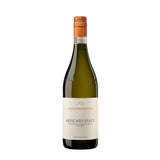
The lightest choice. 5.5%, ~78 kcal per glass. A perfect introduction to sweet sparkling
Moscato d'Asti 2024Alessandro Rivetto
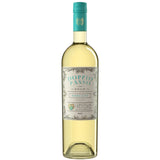
Lightly sweet, 6%. Aromatic and festive, great as a party starter
Doppio Passo Moscato 2024Doppio Passo
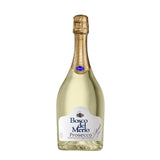
Dry sparkling, 11%. Crisp and low-calorie, ideal for toasting
Prosecco Millesimato Brut 2024Bosco del Merlo
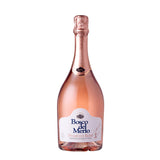
Dry rosé sparkling, 11.5%. Beautiful color with berry aromas
Prosecco Rosé Millesimato 2024Bosco del Merlo
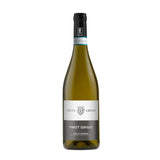
Crisp dry white, 12.5%. Clean acidity pairs well with Japanese cuisine
Pinot Grigio 2024Tenuta Grimani
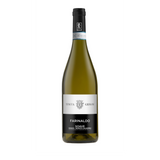
Northern Italian dry white, 12.5%. Mineral notes and floral bouquet
Farinaldo Soave 2024Tenuta Grimani
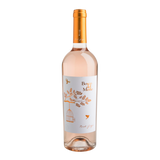
Dry rosé, 12%. Pairs beautifully with salmon and chicken dishes
Pinot Grigio Rosé 2024Bosco del Merlo
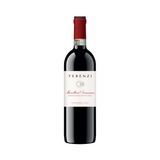
Sangiovese red, 13.5%. A perfect match for tomato-based pasta
Morellino di Scansano 2023Terenzi
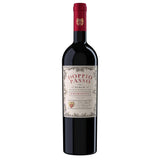
Rich full-bodied red, 13.5%. Made for steak and BBQ nights
Doppio Passo Primitivo 2024Doppio Passo
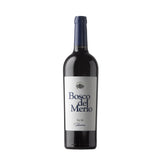
Spicy full-bodied red, 14%. For when you want something bold
Syrah Seduzione 2021Bosco del Merlo
Federico's Picks: For Those Watching Their ABV
If you are conscious of alcohol content, my go-to recommendation is Rivetto's Moscato d'Asti. At just 5.5% ABV, it is a genuine DOCG sparkling from Piedmont's Moscato Bianco grape. With aromas of white peach and flowers, delicate bubbles, and a light finish that never tires the palate, it is incredibly versatile: serve it chilled as an aperitif, alongside dessert, or as a graceful close to a dinner party.
For dry-wine lovers watching their sugar, I recommend Morellino di Scansano. Made from 100% Sangiovese in Tuscany, it has just about 2 g of sugar per glass. Cherry and violet aromas make it a pleasure to drink, and it pairs wonderfully with tomato-sauce pasta, yakitori with tare sauce, and sukiyaki.
Learn more about Moscato: What Is Moscato? A Complete Guide to Italy's 2,700-Year-Old Aromatic Grape
How to Choose the Right Wine for You
A purpose-driven guide to choosing from SWIRL's lineup.
Lowest calories → Moscato d'Asti (5.5%, ~78 kcal/glass) or Prosecco Brut (11%, ~90 kcal/glass).
Lowest sugar → Morellino di Scansano (~2 g/glass) or Doppio Passo Primitivo (~2 g/glass). Dry reds have the least sugar.
Low ABV with great flavour → Doppio Passo Moscato (6%). Sweet and fruity, yet fewer calories than a can of beer.
A light dry white → Pinot Grigio or Soave (12.5%, ~108 kcal/glass). Excellent with sashimi, tempura and seafood.
Full-bodied richness → Syrah Seduzione (14%). Spice and dense fruit. Higher in calories, so savour 1 to 2 glasses slowly.
Explore by grape: Sangiovese | Primitivo | Pinot Grigio | Moscato
Reading the Label: How to Check ABV
Every wine label displays the alcohol content as "Alc." or "Alcohol." Here is a quick reference.
5-7%: Light sweet sparkling (Moscato d'Asti style). Note that some wines labelled "Moscato" can exceed 10% depending on the region and method, so always check the number on the label.
11-13%: Prosecco, Soave, Pinot Grigio and other light whites. Light rosés and lighter reds also fall in this range. Easy to drink and easy to pace yourself.
13-15%: Full-bodied reds like Primitivo, Syrah and Barolo. The alcohol per glass increases significantly, so be mindful of your pace.
For Italian wines, DOC/DOCG regulations often set ABV ranges. For example, Moscato d'Asti DOCG must be 4.5 to 6.5%, while Barolo DOCG requires a minimum of 13%. When you see DOC or DOCG on the label, you can trust both quality and ABV accuracy.
Another tip: infer ABV from the grape variety. Moscato tends to be low (5-7%), Pinot Grigio and Soave (Garganega) are medium (11-13%), and Primitivo and Syrah run high (13-15%). This is useful when a restaurant menu lists only the grape name.
Frequently Asked Questions
Q. How can I reduce wine calories?
A. Choose lower-ABV wines (Moscato d'Asti or light Prosecco) and pay attention to your pour size. Standard servings are 120 ml for sparkling and 150 ml for table wine.
Q. Are sweet wines really lower in ABV?
A. Moscato d'Asti is 5-6%, which is very low. However, passito-style dessert wines (made from dried grapes) can reach 12-15% despite their sweetness, because the sugar is concentrated. Always check the ABV on the label.
Q. How much sugar is in wine? Which type is least fattening?
A. Dry red wine (150 ml glass) contains about 2-3 g of sugar; dry white about 3-5 g. Moscato d'Asti has a high 14-16 g of residual sugar but at just 5% ABV, its total calories are lower than a dry red. If sugar is your priority, go with dry red or dry sparkling. If total calorie count matters more, a low-ABV sweet wine is a surprisingly smart choice.
Q. Do "low-sugar wines" and "calorie-off wines" actually work?
A. These are a recent trend, but proceed with caution. Many "low-sugar wines" simply have less residual sugar, but if the ABV is high, the calorie count is almost the same. If you genuinely want fewer calories, choosing a naturally low-ABV wine (Moscato d'Asti, Prosecco) makes more sense. A naturally light wine also tastes more authentic than an engineered low-calorie product.
Q. Wine vs. beer: which has fewer calories and less sugar?
A. Per serving, dry wine wins. A glass of dry red (150 ml) is about 110-120 kcal with 2-3 g of sugar. A can of beer (350 ml) is about 140-145 kcal with 10-11 g of sugar. Wine has roughly one-third to one-quarter the sugar of beer. Compared to sake (1 go/180 ml at 185-200 kcal, 6-8 g sugar), wine is also lower in both calories and sugar.
Q. Can I drink wine while dieting?
A. In moderation, absolutely. A glass of dry red (150 ml) has about 2-3 g of sugar, less than one-tenth of a rice ball (~40 g sugar). Three keys: choose a lower-ABV wine, limit yourself to 1-2 glasses, and always enjoy with food. Drinking wine on an empty stomach speeds alcohol absorption and can stimulate appetite. Pairing with protein and fat (cheese, nuts, prosciutto) is the Italian rule of thumb.
Sources: Japan's Standard Tables of Food Composition (8th ed., Ministry of Education), OIV (International Organisation of Vine and Wine) technical standards, official winery data. Figures represent typical ranges by type; individual wines may vary.
Once you understand ABV and calories, choosing wine becomes much more freeing. Do not let the numbers dictate your choices. Find the style you enjoy and start tonight with something light. In Italy, we say "wine is part of the meal." Enjoying it slowly alongside food is how you naturally stay within a comfortable amount, and that is one of wine's most beautiful qualities.


Comments (0)
There are no comments for this article. Be the first one to leave a message!