

Wine's sugar content, calories, and alcohol level are determined on two axes: alcohol and residual sugar. Wine's alcohol concentration ranges from about 5 to 16%. Even in the same 150ml glass, calories and sugar content vary significantly by wine type. Common misconceptions — "sparkling wine makes you fat" and "sweet wine is high in sugar" — make wine uniquely tricky to navigate. Understanding these basics before you choose makes finding your ideal wine far easier.
"Sweet = High Calorie" Is a Major Misconception
Have you ever tried Moscato or a dessert wine? The idea that sweet wine is fattening is, in fact, a major misconception. Moscato d'Asti (Piedmont) has an alcohol content of just 5 to 5.5% — close to the non-alcoholic drinks sold in department stores. Dry Italian reds and Napa Valley wines, by contrast, can reach 14 to 15%. If you are watching your alcohol intake, sweet wine can actually be one of the more manageable options.
How Wine Calories Work
Wine calories come mainly from two components: alcohol (7 kcal per gram) and residual sugar (4 kcal per gram). Dry wines have little residual sugar but high alcohol, so they tend to be highest in calories. Sweet wines have lower alcohol but more sugar — their total is often in the middle range, or even lower than a dry red.
| Wine Type | Alcohol (approx.) | Calories per 150ml (approx.) | Sugar per 150ml (approx.) |
|---|---|---|---|
| Moscato d'Asti | 5 to 5.5% | 75 to 80 kcal | ~14 to 16g |
| Prosecco (dry) | ~11% | 100 to 110 kcal | ~4 to 6g |
| Dry white wine | 11 to 14% | 105 to 130 kcal | ~3 to 5g |
| Dry red wine | 12 to 15% | 110 to 145 kcal | ~2 to 3g |
| Dry rosé | 11 to 13% | 100 to 120 kcal | ~4 to 6g |
| Dessert wine (passito-style) | 7 to 15% | 120 to 180 kcal | ~12 to 25g |
Comparing Calories and Carbs: White Wine vs Red Wine
Dry red wine (150ml) has approximately 2–3g of sugar and 110–145 kcal. Dry white wine (150ml) has approximately 3–5g of sugar and 105–130 kcal. The answer to "which is less fattening, red or white?" is: almost identical. The gap is just 1–2g of sugar and 5–15 kcal. If you want to reduce intake, alcohol level matters more than colour — within the same dry style, a lower-alcohol wine saves more calories.
| Type | Sugar (per 150ml) | Calories (per 150ml) |
|---|---|---|
| Dry red wine | ~2–3g | ~110–145 kcal |
| Dry white wine | ~3–5g | ~105–130 kcal |
| Dry rosé | ~4–6g | ~100–120 kcal |
If cutting sugar is the goal, dry red wine is the lowest-sugar choice in this list. But "low sugar" does not equal "low calorie" — check both sugar and alcohol. See also our beginner's guide to wine and how to choose sparkling wine.
Alcohol Levels Vary Widely by Wine Type
| Category | Main Reason | Alcohol Range |
|---|---|---|
| Light sparkling (Moscato d'Asti, etc.) | Fermentation stopped mid-way by chilling; residual sugar retained | 5 to 6% |
| Italian dry white (Soave, etc.) | Hillside vineyards and temperature swings encourage sugar accumulation | 11 to 13% |
| French dry white (Chardonnay, etc.) | Cool climate, higher acidity, sugar less prominent | 12 to 14% |
| New World red (Napa, etc.) | Warm climate pushes grape sugar levels high | 13 to 15% |
In the cellar, alcohol level is determined by where fermentation is stopped. Leave more residual sugar and you get lower alcohol; ferment fully and alcohol climbs. Moscato d'Asti achieves its combination of sweetness and low alcohol by intentionally chilling the tank to halt fermentation mid-process.
Sparkling Wine Calories and Sugar: Comparing Dry and Sweet
A standard pour of sparkling wine is 120ml — smaller than a table wine pour — so calories per glass are often lower than you might expect. That said, sugar content differs significantly between "dry (Brut)" and "sweet (Demi-Sec, Moscato-style)" styles.
| Sparkling Wine | Alcohol (approx.) | Calories per 120ml (approx.) | Sugar per 120ml (approx.) |
|---|---|---|---|
| Champagne (Brut) | ~12% | ~90 kcal | ~3 to 5g |
| Prosecco (Brut) | ~11% | ~80 to 85 kcal | ~4 to 6g |
| Cava (Brut) | ~11.5% | ~85 kcal | ~4 to 5g |
| Moscato d'Asti (sweet) | 5 to 5.5% | ~60 to 65 kcal | ~14 to 16g |
Dry sparkling (Brut) at 120ml runs about 80 to 90 kcal — quite modest. Sugar is low at 3 to 6g, making it one of the lighter wine options. Sweet Moscato d'Asti has more sugar, but at just 5% alcohol, a glass can actually be lower in total calories than a 150ml dry red (110 to 145 kcal). The word "Brut" on the label is your guide to dry sparkling wine.
The Piedmont Way: Tips for Enjoying Wine Mindfully
When watching your alcohol intake, there is one simple rule: start with lighter wine. Choose a light sparkling as your aperitif, move to a light white or rosé, then finish with your main red — and you will naturally keep your total alcohol consumption in check.
Piedmont has a tradition called "merenda sinoira" — a late-afternoon ritual (around 5 to 7 pm) where farmworkers gather between shifts for local salami, cheese, and tajarin pasta, finishing with a glass of Moscato d'Asti's sweet bubbles. One light sparkling to wash away the afternoon, then back to work. It is a Piedmontese way of life that is almost entirely unknown in Japan.
In Japan, serving a well-chilled light sparkling (Prosecco or Moscato d'Asti) as an aperitif is an easy, elegant move. It pairs well with light starters and fruit, and a small sweet glass at dessert time is another effortless way to enjoy wine mindfully.
Federico's Recommendation: For Those Watching Alcohol
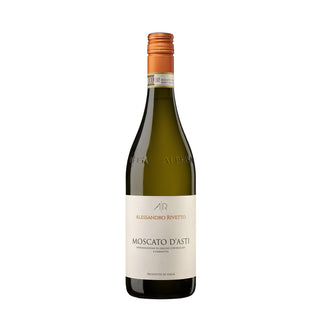
For guests mindful of alcohol content, my go-to recommendation is Rivetto Moscato d'Asti below. At just 5.5% alcohol, it is a true DOCG sparkling made from Moscato Bianco in Piedmont — fragrant with white peach and flowers, with delicate, persistent bubbles and a light, never-tiring finish. Equally at home served alongside dessert, chilled as an aperitif, or as a party closer; a bottle for every occasion.

Discover more about this grape: Moscato: A Complete Guide to Italy's 2,700-Year-Old Aromatic Grape
How to Read the Label: Finding Alcohol Content
Every wine label includes an alcohol content, listed as "Alc." or "Alcohol". Use these benchmarks:
5 to 7%: Light sweet sparkling (Moscato d'Asti and Moscato-style wines). High-alcohol versions exist, so always check.
11 to 13%: Prosecco, Soave, and other light whites. Rosé and lighter reds also fall here. Easy to drink and easy to pace.
13 to 15%: Full-bodied reds, Barolo, Napa, etc. Each glass carries more alcohol — be mindful of your pace.
Comparing Wine with Beer and Sake: Calories and Carbs
"Is wine more fattening than beer?" This is one of the most common comparisons. Per 100ml, wine does have more calories (beer ~40 kcal, red wine ~73 kcal) — but serving sizes are completely different. Compare a 150ml glass of dry wine with a 350ml can of beer, and wine actually comes out lower in both calories and carbs.
| Drink | Standard serving | Calories (approx.) | Carbs (approx.) |
|---|---|---|---|
| Dry red wine | 150ml glass | ~110–120 kcal | ~2–3g |
| Dry white wine | 150ml glass | ~105–115 kcal | ~3–5g |
| Beer (350ml can) | 350ml (1 can) | ~140–145 kcal | ~10–11g |
| Sake (seishu) | 1-go (180ml) | ~185–200 kcal | ~6–8g |
On a per-serving basis, dry wine has about 7–8g less carbs than a single can of beer, and is 20–30 kcal lower. For those watching carbs, dry red wine or dry sparkling (Brut) are among the easiest choices. That said, more glasses means more calories — ultimately, controlling your pour size and number of glasses matters most.
Frequently Asked Questions
Q. How can I keep wine calories down?
A. Choose lower-alcohol wines (Moscato d'Asti or light Prosecco) and watch your pour size. The standard pour is 120ml for sparkling and 150ml for still wine with food.
Q. Are sweet wines really low in alcohol?
A. Moscato d'Asti is indeed very low at 5 to 6%. However, passito-style dessert wines (made from dried grapes) can concentrate sugars enough to reach 12 to 15% alcohol. Always check the label.
Q. How much sugar does wine have? Which is better for avoiding weight gain?
A. A 150ml glass of dry red has about 2 to 3g of sugar; dry white is around 3 to 5g. Moscato d'Asti has more residual sugar — about 14 to 16g — but at 5% alcohol, its total calories are lower than a dry red. If minimizing sugar is the priority, choose dry red or dry sparkling. If total calories matter more, low-alcohol sweet wines are a surprising option.
Q. What is the difference between non-alcoholic wine and Moscato d'Asti?
A. Moscato d'Asti is a genuine wine made from Piedmontese grapes, with 5 to 6% alcohol and the full complexity of sparkling wine. Non-alcoholic wine contains no alcohol at all and is designed for non-drinkers or pregnant women. They serve entirely different purposes.
Q. What kind of wine is Rivetto Moscato d'Asti?
A. Produced by Alessandro Rivetto at his estate in Serralunga d'Alba, Piedmont, this is a DOCG Moscato d'Asti at 5.5% alcohol. Aromas of white peach, acacia, and lemon from Moscato Bianco grapes, using fruit from the Canelli area — a genuine certified estate wine.
Q. Are sparkling wine calories higher than red wine?
A. Generally lower. A standard 120ml glass of dry sparkling (Brut) is around 80 to 90 kcal, often less than a 150ml glass of red at 110 to 145 kcal. Sweet types (Demi-Sec or Moscato-style) do add calories and sugar. The misconception that "sparkling makes you gain weight" usually comes from drinking sweet sparkling or pouring oversized glasses.
Q. What light wine works well at a party?
A. Rivetto Moscato d'Asti is a bottle everyone can enjoy. At just 5.5% alcohol, with lively sweetness and bubbles, it pairs beautifully with light snacks and fruit — perfect as a party opener or closer.
Q. Which has fewer calories and carbs — wine or beer?
A. On a per-serving basis, dry wine (150ml glass) wins. A glass of dry red is about 110–120 kcal with ~2–3g of carbs. A 350ml can of beer is about 140–145 kcal with ~10–11g of carbs — wine has roughly one-third to one-quarter the carbs of beer. Per 100ml, beer is lower in calories (~40 kcal), but by typical serving size wine has the advantage. Compared with sake (1-go, 180ml, ~185–200 kcal, 6–8g carbs), wine is significantly lower in both calories and carbs.
Knowing the facts about alcohol and calories means wine is free to be enjoyed on your own terms. Tonight, start with a light pour.


Comments (0)
There are no comments for this article. Be the first one to leave a message!