

A wine's taste is mostly described with three words: tannin (grip), body (intensity) and acidity. Know these three and wine lists, back labels, and sommelier descriptions suddenly make sense.
The essential tasting terms
| Term | Meaning | How it feels |
|---|---|---|
| Tannin (grip) | Polyphenols from skins, seeds & barrel staves | A slight dryness in the mouth, like strong tea |
| Body | Weight / intensity: light, medium or full | Close to the difference between water and milk |
| Acidity | Fruit acids (tartaric, malic, etc.) in the wine | The crisp, mouth-watering sensation after a sip |
| Fruit | The fruit aromas derived from the grape variety | Cherry, strawberry, plum (for reds) |
| Finish (length) | Flavour that lingers after swallowing (longer = more complex) | A long finish is a mark of age-worthy wine |
| Minerality | A stony, inorganic quality linked to limestone soils or marine climates | Flint or wet stone notes, classic in Chablis |
What is "body"?
Body describes how heavy or intense a wine feels in the mouth. Higher alcohol tends toward full-bodied; more tannin adds to that weight. Light-bodied wines (Pinot Grigio, Pinot Noir) feel breezy and easy; full-bodied wines (Cabernet Sauvignon, Barolo) have presence and substance.
Where does tannin come from?
Tannin is a polyphenol found in grape skins, seeds and barrel staves. Because red wine ferments with the skins, it has much more tannin than white, which uses juice only. If tannin feels rough, look for a Riserva (where ageing has softened it) or a well-aged vintage where tannin has rounded out.
In Italy, households keep tasting notes too
In Friuli (north-east Italy), it is not only professionals who write tasting notes. Many families use a "scheda di degustazione" (tasting sheet) to jot down the colour, aroma, tannin, acidity and finish of wines they open — comparing bottles and vintages the way a food diary tracks favourite meals. Knowing the vocabulary turns drinking into a richer, more memorable experience.
Knowing the terms changes how you choose
"Tannin bothers me" → go light-bodied red or white. "I love a rich, grippy wine" → go full-bodied red. Combine these terms with our grape variety guide to zero in on your ideal bottle.
One bottle that shows all the terms in balance
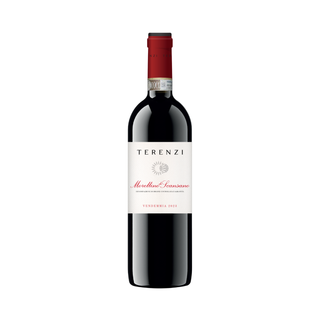
To feel tannin, acidity, fruit and body in harmony, try a Morellino di Scansano from Tuscany. It is a Sangiovese-based red with lively but gentle tannin and good acidity — a perfect teaching bottle.

FAQ
Q. I don't like tannin. Can I still drink red wine?
A. Yes — start with low-tannin, light-bodied reds like Primitivo or Barbera. Their fruit-forward style has gentle grip.
Q. What is the difference between body and tannin?
A. Body is the overall weight of the wine in the mouth; tannin is specifically the grippy, drying component within that. A full-bodied wine can still have gentle tannin (Grenache, for example).
Q. What does "fruit-forward" mean?
A. Rich, ripe fruit aromas — cherry, plum, strawberry — dominate the nose and palate. Common in warm-climate regions like Puglia and Sicily.
Q. Does a long finish mean a better wine?
A. Generally yes, but some styles are designed to be crisp and short — that's not a flaw. Finish length is one quality indicator, not the only one.
Q. What does "mineral" mean in a wine?
A. A stony, flinty quality linked to limestone and chalk soils or coastal vineyards. Common in Chablis, Muscadet, and Vermentino from Sardinia.


Comments (0)
There are no comments for this article. Be the first one to leave a message!