

The key to choosing wine comes down to two things: colour (type) and how full or light it tastes. Once you know the difference between red, white, rosé, and sparkling, and match your choice to your preferences and what you're eating, the chance of being disappointed drops dramatically — even on your first bottle.
Four Main Types of Wine
| Type | Character | Best for |
|---|---|---|
| Red wine | Tannin and body. Great with meat | Those who enjoy full, savoury flavours |
| White wine | Fresh acidity. Pairs with fish and vegetables | Those who prefer something lighter |
| Rosé wine | Between red and white. Versatile | When in doubt — works with almost anything |
| Sparkling wine | Bubbles. Great for toasts and aperitifs | Those who want something celebratory |
Your First Bottle: Where to Start?
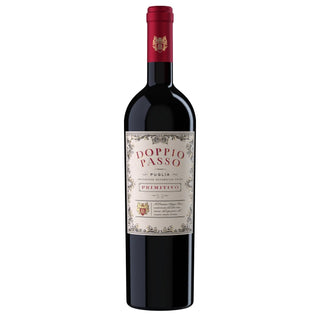
Start with something that has gentle tannins. For reds, Primitivo and Sangiovese offer ripe, approachable fruit. For whites, a crisp Sauvignon Blanc is food-friendly and rarely wrong.

For a full grape variety guide, see our Grape Variety Guide.
Budget Guide
| Budget | What to expect | Best occasion |
|---|---|---|
| ¥1,500–2,500 | Everyday drinking. Simple but consistent quality | Weeknight dinner, casual exploration |
| ¥2,500–4,000 | Varietal and regional character starts to show. Best value range | Weekend meals, first try of a new variety |
| ¥4,000–8,000 | Growing complexity and finish. Food pairing becomes rewarding | A meal worth marking, gifts |
| ¥8,000+ | Distinct producer and terroir character | Celebrations, collecting |
The Basics of Drinking Wine: Temperature Changes Everything
Temperature has a dramatic effect on how wine tastes. Chill a red too much and the aromas close up; warm a white too much and the acidity goes flat.
| Wine type | Ideal temperature | Practical guide |
|---|---|---|
| Sparkling / light white | 7–10°C | Straight from the fridge |
| Full-bodied / oaked white | 10–13°C | Out of the fridge for about 10 minutes |
| Light / fruity red | 14–16°C | Slightly cooler than room temperature |
| Full-bodied / tannic red | 16–18°C | Note: Japanese summer rooms tend to run warm |
A Lesson from Roman Trattorias: Wine Does Not Have to Be Complicated
The best antidote to wine anxiety is the ordering style of a Roman trattoria — a neighbourhood family restaurant. Regular diners never open the wine list. Instead they say "vino della casa, grazie" — the house wine, served in a simple carafe.
The carafe comes in three sizes: a quartino (250 ml), a mezzo litro (500 ml), and a litro (1 L). No label, no vintage, no appellation to worry about. You just pick a size and say red or white.
When I, Federico, started importing Italian wine in Tokyo, this unpretentious attitude was exactly what I wanted to bring with it. Try before you overthink. That is always the fastest way in.
FAQ
Q. How much should I spend on my first bottle?
A. Starting in the ¥2,000–3,000 range is ideal. You'll find good quality at an accessible price that lets you explore freely.
Q. Sweet or dry — which is better for beginners?
A. Many beginners find sweet wines easier to drink, but dry wines are far more food-friendly. Try both and see which you prefer.
Q. Red wine is too tannic — what should I do?
A. Try chilling it slightly (below 15°C). Then look for gentler varieties. Primitivo and Sangiovese have rich fruit and are ideal entry points.
Q. How long does an opened bottle keep?
A. Red wine keeps 2–3 days; white and sparkling 1–2 days. Use a wine stopper, store upright in the fridge, and it will last a little longer.
Q. Are there rules for matching wine and food?
A. The classic rule is "white with fish, red with meat," but it is more of a guideline than a law. The most reliable pairing: match the region — Italian food with Italian wine, for example, rarely fails.


Comments (0)
There are no comments for this article. Be the first one to leave a message!