

The difference between red, white, rosé and sparkling comes mainly from the grapes used and how the wine is made. Red ferments black grapes with their skins; white ferments juice only; rosé sits between the two; sparkling gains its bubbles from a second fermentation.
The four types compared
| Type | Grapes / method | Character | Best with |
|---|---|---|---|
| Red | Black grapes fermented with skins & seeds | Tannin and body | Meat, cheese, braises |
| White | Juice only fermented | Crisp acidity | Seafood, starters, washoku |
| Rosé | Brief skin contact with black grapes | Light and fruity | Salads, summer veg, versatile |
| Sparkling | Second fermentation adds bubbles | Bubbles and freshness | Aperitif, fried food, seafood |
Where do tannins come from?
A red wine's grip comes from tannins in the grape skins and seeds. White uses juice only, so it has little tannin and a crisp profile. Rosé sits in between because the skins touch the juice only briefly. See our tannin, body and acidity guide for more.
In Italy, a single meal calls for four different wines
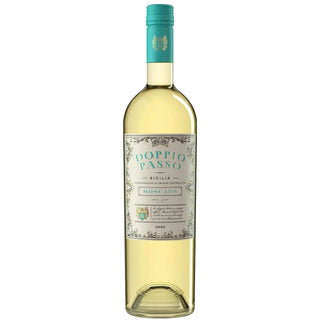
In Italy it is perfectly normal for four different wine styles to appear at one table. Prosecco as an aperitivo, a white with pasta or fish, a red with the meat course, and a sweet Moscato to close the meal with dessert. Rather than finding the choice daunting, Italians regard each type as a way to deepen the pleasure of the dish it accompanies — a philosophy woven deep into the country's food culture.
Choosing by occasion
Sparkling for toasts and aperitifs, white for seafood and starters, red for meat; rosé or sparkling when you want one wine for a wide spread.
A beginner-friendly red to start with
If you want to start with red wine, Primitivo from Puglia, southern Italy, is one of the most approachable. It has gentle tannins and rich ripe-fruit flavour, and excellent value in the ¥1,000–2,000 range.

FAQ
Q. Is rosé just red and white mixed?
A. No. Most rosé uses black grapes with very brief skin contact to achieve a pale colour. Blending red and white is a rare exception (rosé Champagne is one).
Q. What is orange wine?
A. A trendy style made by fermenting white grapes with their skins, producing an amber colour and complex flavour. See our orange wine guide.
Q. Is sparkling wine dry or sweet?
A. Both styles exist. Most Prosecco and Champagne are dry (Brut), while Moscato d'Asti is a gently sweet semi-sparkling wine. The word "Brut" on the label means dry; "Dolce" means sweet.
Q. Should a beginner start with red or white?
A. White and sparkling tend to be easier entry points. If you want red, try a Primitivo (from ¥2,200) — gentle tannins and plenty of fruit. See our beginner's guide too.
Q. Is rosé closer to red or white?
A. In flavour, closer to white. It has very little tannin; the emphasis is on fresh fruit and acidity. The grape variety, however, can make a big difference.


Comments (0)
There are no comments for this article. Be the first one to leave a message!