

The right wine for chicken is chosen not by the meat itself, but by how it is seasoned and cooked. The very same chicken thigh calls for a completely different wine when it is grilled with salt, glazed in a sweet-savory teriyaki sauce, or simmered in cream. Because chicken is mild and unassuming, the sauce and the cooking method become the real deciding factor.
I am Italian, and I import Italian wine in Tokyo, pouring it almost every day. Chicken may well be the most frequent meat on the Japanese table, which is exactly why knowing a reliable "chicken partner" or two makes everyday meals far more fun. In this guide I walk through chicken by cooking method, from salt and teriyaki to cream, roast and fried, and point you to a bottle you can actually drink from the Swirl cellar for each.
A common misconception: "chicken means white wine" is only half right
The most common assumption is that chicken always wants white wine. That is only half true. Chicken finished simply with salt or herbs does pair beautifully with white. But once you coat it in a sweet-savory teriyaki glaze, or roast it until it turns deeply golden and savory, a light red, a rosé, or a firm sparkling wine stands up to the dish far better.
The other misconception is that because chicken is light, the wine should be feather-light too. In reality, crispy rendered skin and the oil on fried chicken carry real weight. Pair them with a wine that has acidity and bubbles, or gentle fruit, and the palate resets cleanly so you keep reaching for more. Think of chicken not as a "light dish" but as "a dish whose character changes with the seasoning," and wine selection suddenly gets easy.
The cut matters too. Lean breast and tenderloin are delicate, so a crisp white or light sparkling lifts them. Juicier, richer thigh and wings are happier with a rosé or a light red. Whether the skin is crisped or removed changes the ideal bottle on its own. In short, there is no single "wine for chicken": the best and most delicious shortcut is to choose the bottle that suits the one plate in front of you tonight.
Cooking method decides it: the basics of chicken and wine
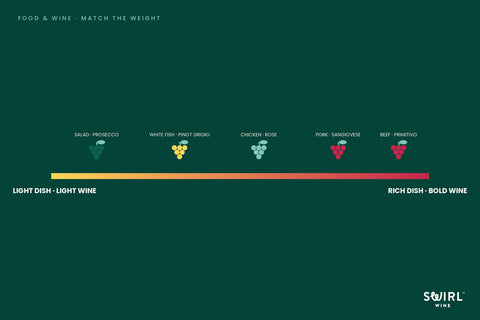
Chicken pairing comes into focus when you line the cooking methods up on a single scale. The further left, the more delicate; the further right, the richer and more savory, and the wine moves right along with it, from light white to sparkling, rosé, light red, and firm red.
Here is a quick reference that organizes the direction of flavor. Remember it by wine style and you can handle almost anything with the bottle already in your fridge.
| Cooking method / seasoning | Flavor direction | Recommended wine style |
|---|---|---|
| Grilled with salt, steamed chicken, mizutaki hot pot | Delicate, dashi umami | Light dry white, sparkling |
| Herb grill, lemon | Fresh and aromatic | Aromatic white, rosé |
| Cream stew, gratin | Rich and mellow | Oaked white (Chardonnay) |
| Karaage, fried chicken | Oil, crisp batter | Dry sparkling, dry rosé |
| Teriyaki, yakitori sauce | Sweet-savory, caramelized | Fruity light red, deep rosé |
| Roast, tomato braise | Savory, deep umami | Medium red (Sangiovese, Pinot Noir) |
| Tandoori, spiced | Heat and spices | Off-dry white, fruity red |
Recommended wines by seasoning and cooking method
Salt, herbs, grill: reach for a crisp white
Chicken simply grilled with salt, or grilled with herbs, is at its best with an unadorned dry white. Like a squeeze of lemon, a white with acidity cuts the chicken fat and lifts the dashi-like umami. Whites with minerality (a stony, briny, taut edge) such as Soave from the Veneto or Arneis from Piedmont are right at home here.
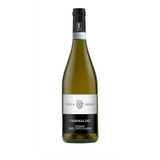
For salt-grilled and steamed chicken. Gentle Garganega white
Farinaldo Soave 2024Tenuta Grimani
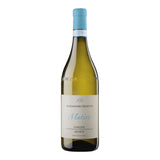
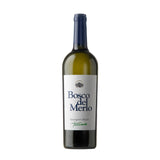
For chicken with lemon and herbs. Fresh and fragrant
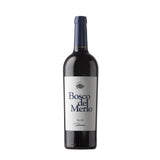
Sauvignon Blanc Turranio 2024Bosco del Merlo
Cream stews and gratin: an oaked white
Dishes made mellow with dairy, like chicken cream stew or chicken gratin, want a full-bodied white raised in oak. The wine's weight meets the richness of butter and cheese and points the same way on the palate. This is Chardonnay's moment. A light white gets overwhelmed by the richness, but a Chardonnay with oak nuances (a toasty hint of vanilla and nuts) holds its own against the cream and never tires you out. It loves the browned, savory top of a gratin too.
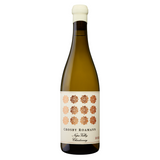
For cream stew and gratin. Mellow oak-driven richness
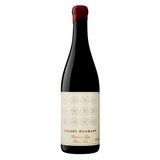
Napa Valley Chardonnay 2023Crosby Roamann
Karaage and fried chicken: sparkling and dry rosé
Karaage, the staple of the Japanese table, and the fried chicken that is a must at Christmas here, find their best partner in a dry sparkling wine. Fine bubbles and acidity sweep away the oil of the fry and leave only the savory crispness of the coating. It is like reaching for a sip of Prosecco instead of a squeeze of lemon. A dry rosé, with its balance of fruit and body, also takes on spicier seasonings with ease.
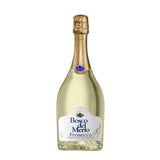
For karaage and fried chicken. Bubbles rinse the oil
Prosecco Millesimato Brut 2024Bosco del Merlo
Teriyaki and yakitori sauce: a fruity light red
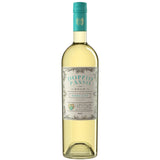
Teriyaki and yakitori sauce are sweet and savory, built on soy sauce, sugar and mirin. What you want here is a fruit-forward red that echoes the sweetness of the glaze. Juicy, low-tannin Primitivo is such a natural match it could have been made for the sauce. Serve it slightly chilled for an even lighter touch.
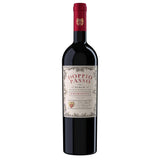
For teriyaki and yakitori sauce. Sweet ripe fruit (Japan's first exclusive import)
Doppio Passo Primitivo 2024Doppio Passo
Roast chicken and braises: a medium red
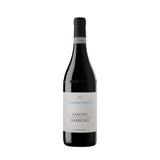
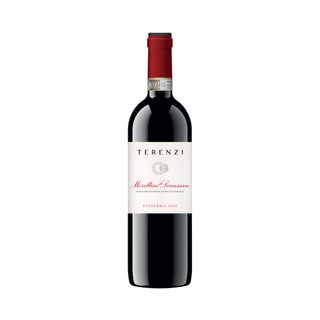
Roast chicken with crisped, savory skin, or chicken braised in tomato (the Italian hunter's style, cacciatora), suits a medium-weight red. Sangiovese, with its cherry fruit and clean acidity, is an all-rounder that embraces both the savory char and the umami. For a delicately cooked roast, the lighter reds of Pinot Noir or Nebbiolo are lovely too. If you roast a whole bird for Christmas or a home party, having a red open makes the table feel festive. The fruit of a red also loves the sweetness of roast potatoes and root vegetables on the side. The crisp skin, the juicy meat and the herbs are all tied together neatly by Sangiovese's acidity, making it the ideal bottle for a day when everyone gathers around one bird.
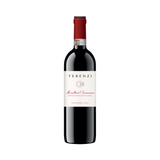
For roast chicken and tomato braises. All-round Sangiovese red
Morellino di Scansano 2023Terenzi
Tandoori and spiced chicken: an off-dry white
Chicken seasoned with curry powder or tandoori spices works well with a white that carries a touch of sweetness. It softens the heat and lets the aroma of the spices and the sweetness of the fruit sit side by side. A Sicilian Moscato made in a drier style is just the right balance here, never cloying, exactly suited to spiced food. Pairing a tannic red with spicy food makes heat and tannin clash on the palate, but a white with fruit sweetness tames the spice. Serve it well chilled so it rinses the lingering heat clean.
How style changes by region, and Italy's chicken culture
Chicken is loved the world over, but the character of the red you pair changes by region. Sangiovese from Maremma in southern Tuscany, with its cherry fruit and taut acidity, is perfect for tomato braises and roasts. Primitivo from Puglia, with ripe fruit soaked in sun, echoes sweet-savory glazes and barbecue. Pinot Noir from cooler regions leans into delicate, dashi-driven chicken dishes. For the same "red that suits chicken," remember that warmer regions push fruit forward for sweet-savory sauces, while cooler regions lift acidity and aroma for more delicate cooking.
Here is one piece of Italian chicken culture. In Japan, "Christmas means fried chicken," but in northern Italy (Lombardy, Emilia, the Veneto and more), the bird the Christmas and New Year's Eve table cannot do without is cappone. A cappone is a castrated rooster; its meat is tender and well-marbled, so it is stuffed and roasted, or slowly simmered into a brodo (broth) with tortellini (stuffed pasta) floating in it. In some areas it is a special feast prepared only once a year, for this day. The stuffing uses breadcrumbs, chestnuts and sausage, and in some households minced offal, filling the whole kitchen with its aroma. Even for the same "Christmas chicken," Japan's freshly fried version and Italy's moist roast cappone call for very different wines. Fried chicken loves sparkling; cappone loves a Sangiovese or Nebbiolo red that leans into its savoriness. This Christmas, trying it the Italian way, with a roast bird and a medium red, is a lovely idea.
Enjoying it in Japan: a chicken pairing quick table
Japanese chicken cookery may well have the richest variety of seasonings in the world. Here are the combinations I most often suggest to customers, organized by dish. When in doubt, start from this table.
| Chicken dish | Bottle to pair | Note |
|---|---|---|
| Salt yakitori, mizutaki | Farinaldo Soave | A gentle white that leaves the dashi umami alone |
| Yakitori (sauce) | Doppio Passo Primitivo | Sweet-savory glaze and fruit point the same way |
| Karaage | Prosecco Millesimato Brut | Bubbles rinse the oil; you keep going |
| Oyakodon, teriyaki | Pinot Grigio Rosé | A full dry rosé that stands up to sweet-savory |
| Chicken nanban, tartare | Sauvignon Blanc Turranio | Acidity meets the tartare; clean finish |
| Cream stew, gratin | Napa Valley Chardonnay | Oak roundness for the richness of dairy |
| Roast chicken | Morellino di Scansano | Sangiovese acidity for char and umami |
| Tandoori chicken | Doppio Passo Moscato (dry) | Wraps the spice in a touch of sweetness |
The trick to enjoying these at home in Japan is temperature. Serve whites and sparkling straight from the fridge, well chilled. Light reds (Sangiovese and Primitivo) are best chilled briefly: 20 to 30 minutes in the fridge in summer, about 10 in winter, to land around 15 to 18 degrees, where fruit and acidity fall into balance. "A lightly chilled light red" with yakitori or roast chicken is all you need to remember to avoid going wrong. No wine cellar required, just a fridge and a clock.
Chicken wines you can drink at Swirl: the list
Here is a bottle we can deliver right now for each cooking method. Check stock and price on each product page.
| Cooking method / seasoning | Style | The Swirl bottle |
|---|---|---|
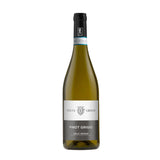
| Salt / steamed / mizutaki | Dry white | Farinaldo Soave / Pinot Grigio |
| Herbs / lemon | Aromatic white | Langhe Arneis / Sauvignon Blanc Turranio |
| Cream / gratin | Oaked white | Napa Valley Chardonnay |
| Karaage / fried | Sparkling / dry rosé | Prosecco Millesimato Brut / Pinot Grigio Rosé |
| Teriyaki / sauce | Fruity light red | Doppio Passo Primitivo / Syrah Seduzione |
| Roast / braised | Medium red | Morellino di Scansano / Petaluma Gap Pinot Noir / Langhe Nebbiolo |
| Tandoori / spiced | Off-dry white | Doppio Passo Moscato |
How to choose: picking a chicken wine by taste
When in doubt, choose from the flavors you already like.
- You often make salt-grilled chicken or mizutaki, choose a crisp white (Soave)
- You love teriyaki and yakitori sauce, choose a fruity light red (Primitivo)
- Karaage is a fixture on your table, choose a dry sparkling (Prosecco)
- You make a lot of cream dishes, choose an oaked white (Chardonnay)
- You often roast or tomato-braise, choose a Sangiovese red (Morellino)
To dig deeper by dish, see Wine with Yakitori and Wine with Karaage.
Frequently asked questions
Q. For chicken, is white or red the correct choice?
A. It depends on the cooking method. Chicken finished simply with salt or herbs wants white; chicken that is savory and richly seasoned, like teriyaki or roast, pairs well with a light red or rosé. The trick is to choose by the intensity of the seasoning, not by the color of the meat.
Q. Should I switch wines between salt and sauce yakitori?
A. Yes, and it makes things even more fun. Salt loves a crisp white or sparkling; sauce loves a fruity light red. You do not need to swap wine for every skewer: white on a salt-centered night, light red on a sauce-centered night, is division enough.
Q. Does red wine really not work with karaage?
A. It is not that it fails, but the best recommendation is a dry sparkling: the bubbles and acidity reset the oil of the fry. If you want a red, choose a low-tannin, lighter one and chill it slightly. Heavy reds tend to clash with the oil, so avoid them to stay safe.
Q. Can I chill the red I serve with roast chicken?
A. Please do chill it a little. Medium reds like Sangiovese or Pinot Noir are at their best around 15 to 18 degrees, where fruit and acidity balance. On a warm day, 15 to 20 minutes in the fridge before pouring makes a visible difference.
Q. What is the common mistake?
A. Deciding that chicken equals "light" and pairing nothing but a very light white with every dish. Teriyaki, roast and karaage are each better served by a light red, sparkling or rosé that can meet the char and oil. Look at the seasoning first, then choose a bottle: that alone changes the result.
Chicken is an ideal entry point into wine. Do try a bottle that suits your usual plate.
Reference: on the northern Italian Christmas tradition of cappone, see visititaly.eu "Pranzo di Natale: tradizioni e sapori della cucina lombarda" and scattidigusto.it "Natale e tradizioni".

Comments (0)
There are no comments for this article. Be the first one to leave a message!