
The basics of pairing wine and food mean looking at the "weight," the "intensity of flavor," and the "taste elements (acidity, tannin, sweetness, fat)" of the dish and the wine, then choosing either to match like with like or to set opposites against each other so they lift one another. No difficult knowledge is needed. Grasp a few "rules" and even the one bottle you have at home will taste far better.
I am Italian, I import Italian wine in Tokyo, and I recommend wine almost every day, in restaurants and in people's homes. When a customer asks, "What should I pair this wine with?", these five rules are what I run through in my head. In this article I will walk through each one, with examples from the Japanese table and a bottle you can drink at Swirl. By the end, choosing a wine from the menu will be something to look forward to.
A common misconception: "red with meat, white with fish" is only a starting point
The most widespread "rule" is "red with meat, white with fish." It is not wrong, but it is only the entrance. Believe that one line alone and you will miss many delicious combinations.
For example, richly glazed yakitori (chicken, a white meat) pairs beautifully with a light red Sangiovese. Conversely, a well-chilled light red or rosé sits nicely with a slice of tuna sashimi. What matters is not meat or fish, but the dish's "weight," its "seasoning," and the amount of fat. What I always say is, "Do not look at the color of the ingredient; look at the weight of the whole plate and the sauce." That is where real pairing begins.
Rule 1: match the "weight" of the dish and the wine
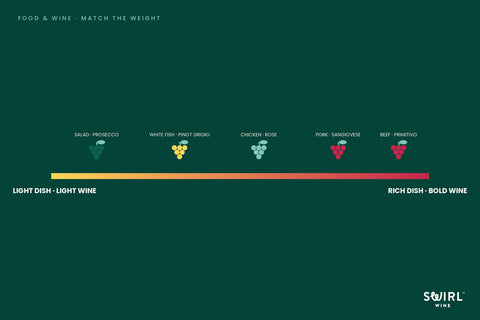
This is the most important rule and the hardest to get wrong. Light wine for light dishes, full wine for substantial dishes. When the weights balance, neither one crushes the other. The diagram at the top of this article shows exactly this "scale of weight." Let us lay it out below too.
→ sparkling, light white
→ crisp white, rosé
→ light red
→ bold red
Put a full-bodied heavy red next to a white-fish carpaccio and the fish's delicacy vanishes. Put a light white against a beef braise and the wine loses, tasting like water. Match the weight first. That alone prevents most failures. Judging it is easy: for the dish, ask "can a fork cut it, or do you need a knife?"; for the wine, ask "does it feel like water in the mouth, or does it have a thick heaviness?" The lighter the dish, the lighter the wine; the chewier the dish, the heavier the wine. That is all you need to remember. On body (the weight of wine), our guide to wine body goes into detail.
Rule 2: match the intensity and direction of flavor, or contrast them
Once the weight fits, next comes the "direction" of aroma and taste. There are two ways of thinking: "matching (complement)" and "contrasting (lift)."
Matching means layering similar flavors: an herb-driven dish with a herbaceous Sauvignon Blanc, something smoked with a smoky red. Contrasting means setting opposites against each other so each stands out: oily fried food with a crisp high-acid white, sweet teriyaki with a spicy red. Neither is the single correct answer, and the same dish can be enjoyed both ways. At tastings I like to pour the same karaage with Prosecco (contrast) and with Chardonnay (complement), and let people taste the difference.
Matching the intensity of flavor matters too. Put an explosively aromatic, characterful wine next to a faint, delicate dish and the dish gets left behind. The reverse, a bold spicy dish with a delicate, restrained wine, and the wine disappears. For both aroma and taste, strong with strong, gentle with gentle. Apply the same thinking as weight to the intensity of aroma. For instance, herbaceous pesto with a grassy Sauvignon Blanc, or a firmly spiced salami with a spicy Nero d'Avola: match the intensity and it comes together nicely.
Rule 3: balance acidity, tannin, sweetness, and fat
Wine has four "elements" that resonate with food. Keep these in mind and your pairings move up a level.
- Acidity cuts fat. A high-acid wine refreshes the palate against fried or fatty dishes. That is why tempura loves sparkling and oily fish loves a crisp white.
- Tannin binds with fat and protein. Tannin (the drying grip) ties to the fat and protein of beef and aged cheese and feels softer for it. That is why a heavy red is the classic match for steak. See also what tannin is.
- Sweetness tames heat. A slightly sweet wine wraps up the sting of chili and spice. For spicy Chinese or ethnic food, an off-sweet Moscato sits well.
- Acid meets acid. With dishes built on tomato sauce or vinegar, an equally high-acid wine (such as Sangiovese) matches naturally.
For these four, just look at which element is strong in the dish. Fat calls for acidity, heat for sweetness: remember that and you are set. On acidity, see our guide to wine acidity.
Combinations to avoid: why clashes happen
Once you know why things work, you can see why they clash. Pairing failures follow a few set patterns. Know them and you will sidestep the landmines.
- Tannic red x oily or raw fish. Pair a high-tannin red with oily fish like sardine or mackerel and a metallic fishiness can appear. For fish, reach for a low-tannin white, a rosé, or a light red.
- Dry wine x sweet dish. Put a dry wine against a dish heavy with sugar or mirin and the wine suddenly tastes sour and hollow. For sweet dishes, an equally sweet wine.
- Heavy red x delicate Japanese food. A deep, full-bodied red smothers the flavor of a refined, dashi-driven dish. Delicate food calls for a light wine.
- Strong bitterness x strong tannin. A very bitter dish with a tannic red amplifies the bitterness and grip of each other.
All of these share one thing: elements collide and one side juts out. Think of it as Rule 3's balance seen in reverse.
Rule 4: pair local with local (Italy's golden rule)
Italy has a golden rule: "what grows in the same place belongs together." In English it is "what grows together goes together," a piece of wisdom shared the world over. For centuries, within the same land's climate and food culture, the dishes and the wines grew up together. When in doubt, pair a dish with a wine from its region. That misses the mark least of all.
Its emblem is the Piedmontese dish brasato al Barolo. Beef is braised for the best part of a day in that region's Barolo (Nebbiolo), and then served with the same Nebbiolo wine. The very grape used in the braise is drunk at the table. The dish and the wine are, quite literally, blood relatives. This habit, ordinary to locals, expresses the essence of pairing better than anything. The same goes for Tuscany: a charcoal-grilled Chianina steak (bistecca alla fiorentina) with the local Sangiovese of Chianti. Along the Veneto coast, a stewed salt cod with the local white Soave. All of it is the idea that "the wine from the next field gets along best with the dish from the next kitchen." At the Japanese table it is the same: an Italian tomato braise with an Italian Sangiovese, a German or Alsatian-style dish with that land's white, and matching the region brings it together with surprising ease. As a "map" for when you are unsure, this rule is the most dependable of all.
And matching the wine you cook with to the wine you drink is an application of this rule too. If you simmer a tomato sauce in Sangiovese, drink the same Sangiovese. The direction of flavor lines up, and unity follows.
Rule 5: in doubt, sparkling. It is the all-rounder
When I truly cannot decide, I recommend sparkling. Fine bubbles and brisk acidity reset the palate, so it pairs astonishingly widely, from antipasti to fried food, from Japanese to Chinese. It is dependable when you want to carry a whole course on one bottle. The glass you toast with stays with you right through the meal: it is the most relaxed option of all. When a home party lays out many dishes, open one bottle of bubbles and it bridges everything from appetizers to the main. If I were bringing a single bottle to dinner at a customer's home, I would choose Prosecco without hesitation.
| Rule | In a word |
|---|---|
| 1. Match the weight | Light dish, light wine; heavy dish, heavy wine |
| 2. Match or contrast flavor | Lean in with similar aromas, or lift with opposites |
| 3. Balance the elements | Acid for fat, tannin for protein, sweetness for heat, acid for acid |
| 4. Pair by region | Food and wine from the same land match naturally |
| 5. In doubt, sparkling | Sparkling is the all-rounder that suits almost anything |
Building it with Swirl wines: by type
Once you have the rules, all that is left is to apply them to the wine on hand. From the Swirl cellar, here is a "core bottle for pairing" in each type.
| Type | Swirl wine | Dishes it is good at |
|---|---|---|
| Sparkling (all-rounder) | Prosecco Millesimato Brut | Antipasti, fried food, Japanese food in general |
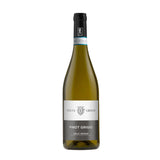
| Light white | Pinot Grigio | Salad, white fish, chicken |
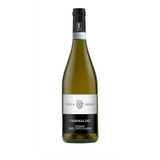
| Crisp white (seafood) | Farinaldo Soave | Sashimi, shellfish, carpaccio |
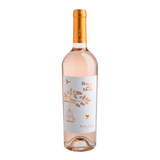
| Rosé | Pinot Grigio Rosé | Salmon, tomato antipasti, ham |
| Light to medium red | Morellino di Scansano (Sangiovese) | Tomato braises, yakitori (tare), pasta |
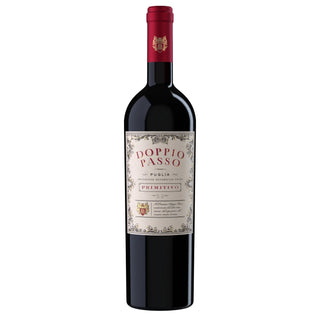
| Bold red | Doppio Passo Primitivo | Beef, grilled meat, hamburg steak, cheese |
| Sweet (for spicy food) | Moscato d'Asti | Spicy Chinese, ethnic food, dessert |
The bottle I most often pour for a pairing question is this Doppio Passo Primitivo. Full of fruit with soft tannins, it stands up to beef, grilled meat, and hamburg steak alike. For a medium red, Morellino di Scansano; for seafood, Farinaldo Soave. Keep these cores covered and you can handle almost any dish.
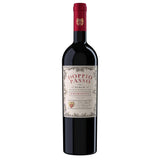
The bold-red core. For beef, grilled meat, hamburg steak (first and exclusive import to Japan)
Doppio Passo Primitivo 2024Doppio Passo
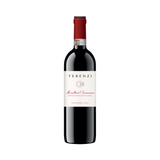
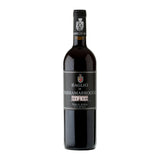
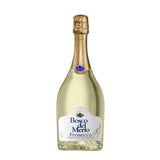
In doubt, this. All-round from antipasti to fried food
Prosecco Millesimato Brut 2024Bosco del Merlo
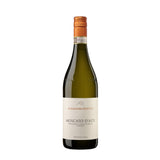
Off-sweet. Tames the heat of spicy Chinese and ethnic food
Moscato d'Asti 2024Alessandro Rivetto
Try it at the Japanese table: a quick reference by dish
I have applied the rules to dishes that often appear in a Japanese home. Start by following this quick reference, and once you are used to it, bend the rules a little.
| Dish | Wine to try | Rule at work |
|---|---|---|
| Sashimi, sushi (white fish) | Soave, Pinot Grigio | Match the weight, plus acid for a clean finish |
| Tempura, karaage | Prosecco | Acid and fizz cut the fat (contrast) |
| Yakitori (tare) | Sangiovese, Primitivo | Match the sweet glaze with fruit |
| Sukiyaki, grilled meat | Primitivo | Match the weight, plus tannin bonds with fat |
| Mapo tofu, dan dan noodles | Moscato d'Asti | Sweetness tames the heat |
| Tomato pasta | Morellino di Scansano | Acid meets acid, plus pair by region |
The thing most often forgotten in a Japanese home is temperature. Chill whites and sparkling well, and in summer chill reds too, 20 to 30 minutes in the fridge to reach 15 to 18°C, and the balance of acid and fruit shows cleanly. Even without a cellar, this one step raises the match with food. For dish-by-dish deep dives, see our guides to wine with Japanese food, wine with steak, and wine with cheese.
Choosing: pick the wine from your favorite dishes
Finally, a shortcut that works backward from the food you eat most.
- Lots of fried food and tempura → sparkling (Prosecco), or a crisp, cleanly acidic white
- You love meat dishes and grilled meat → a bold red (Primitivo)
- You often cook tomato and pasta → Sangiovese (Morellino)
- Mostly sashimi and Japanese food → a light white like Soave or Pinot Grigio
- You love spicy food → an off-sweet Moscato d'Asti
- Not sure what you are serving → one bottle of sparkling, no hesitation
Frequently asked questions
Q. Do I have to follow "red with meat, white with fish"?
A. It helps as a starting point, but it is not absolute. What matters more than the color of the ingredient is the dish's weight and seasoning. A light red with a rich chicken dish, or a well-chilled light red with tuna, can pair very well indeed.
Q. If I pick just one wine, what do you recommend?
A. Sparkling. Acid and bubbles reset the palate, so it handles everything from antipasti to fried food to Japanese cuisine. It is also your insurance when you want to carry a course on one bottle.
Q. What wine suits spicy food?
A. An off-sweet, low-alcohol wine. The sweetness tames the sting of the spice, and the lower the alcohol, the less the heat is amplified. An off-sweet frizzante like Moscato d'Asti is a good choice.
Q. Is it fine to chill red wine?
A. Yes. Light reds, Sangiovese, and Primitivo in particular come alive with fruit when lightly chilled to 15 to 18°C in summer. Japanese room temperature tends to leave them warm, so 20 to 30 minutes in the fridge is a good guide.
Q. What is a common failure?
A. A mismatch of weight. A heavy wine with a delicate dish, or a light wine with a substantial dish, and one side loses. Just keeping "match the weight" in mind cuts failures sharply.
The rules are only a map. Once you are used to them, go and find your own favorite combinations. A pairing the textbooks call wrong can become your best glass of all. The greatest joy of pairing is stacking up those little discoveries. Try plenty, and keep it light.
Sources: Vinology, "Italian Food and Wine Pairings"; WineWithSeth, "Italian Cuisine" (the regional pairing principle and brasato al Barolo); general wine-textbook pairing principles (the interaction of acid with fat, and tannin with protein).

Comments (0)
There are no comments for this article. Be the first one to leave a message!