

Cheese and wine pair beautifully when you follow two principles: match what grows in the same region, and match the intensity of flavour. Light, fresh cheeses call for white wine; rich, aged hard cheeses call for red. But there's far more nuance than that. Match by cheese type and every pairing clicks into place.
Quick Pairing Guide by Cheese Type
| Cheese Type | Examples | Wine Match |
|---|---|---|
| Fresh | Mozzarella, Burrata, Ricotta | Sauvignon Blanc, dry Prosecco |
| Bloomy rind | Camembert, Brie | Chardonnay (light oak), Sangiovese |
| Washed rind | Taleggio, Epoisses | Gewurztraminer, orange wine |
| Hard / semi-hard | Parmigiano, Comte, Grana Padano | Sangiovese (Morellino), Cabernet blends |
| Blue | Gorgonzola, Roquefort | Sweet dessert wine (Moscato, Port) |
"What Grows Together, Goes Together" — A Lesson from Emilia-Romagna
There is one rule every sommelier learns early: "What grows together, goes together."
Nowhere is this more vivid than in Emilia-Romagna. In the Po Valley towns of Parma, Reggio Emilia, and Modena — the birthplace of Parmigiano-Reggiano — when locals crack open a wheel aged 24 months or more, they pour a glass of locally grown Lambrusco without hesitation.
Lambrusco is a lightly sparkling red born from the same flat plain. Its acidity and gentle fizz cut right through the salty, umami-laden richness of Parmigiano. Cheese and wine from the same soil, working in perfect harmony — this is not a pairing trick; it is simply how things have always been eaten in Emilia.
The same logic applies in Japan. Italian cheeses call for Italian wine; French cheeses call for French wine. Use origin as your first filter and your pairing accuracy jumps immediately.
Why Does Blue Cheese Need a Sweet Wine?
Blue cheeses like Gorgonzola and Roquefort are intensely salty with a pungent kick. Pair them with something sweet and the salt and sugar create a contrast that makes both shine — the same principle as salted caramel. In Italy, drizzling honey over Gorgonzola is a common everyday habit, which tells you everything about how well sweetness works with these cheeses. Sauternes, Moscato d'Asti, and Port are the classic choices.
Our Recommendation: One Bottle for Hard Cheese
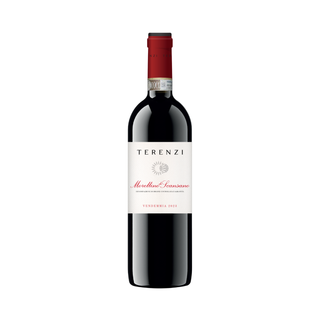
Hard cheeses like Comte and Parmigiano need a wine with enough body and acidity to match all that umami. Terenzi's Morellino di Scansano (¥3,850) is a Tuscan Sangiovese-based red. Cherry fruit, herb notes, and firm acidity catch the savoury depth of aged cheese beautifully. Try it with Pecorino Toscano or a mature Parmigiano.
Frequently Asked Questions
Q. If I'm serving several cheeses, which one wine should I choose?
A. A dry sparkling wine — Prosecco especially — is the most versatile option. The bubbles and acidity reset your palate between bites and work with every cheese type. See also: How to Choose Sparkling Wine.
Q. Which cheeses go with red wine?
A. For tannic reds, aged hard cheeses are the go-to: Parmigiano, Comte, Pecorino. Tannin and umami amplify each other and extend the finish. Creamy fresh or bloomy rinds are better with lighter reds or whites.
Q. Does Champagne or sparkling wine work with cheese?
A. Very well. Fresh and bloomy-rind cheeses in particular love bubbles — the acidity firms up the creaminess and keeps things lively. Sparkling is the right call for any party cheese board.
Q. What order should I eat cheese and drink wine?
A. Sip first, eat second, and repeat. A plain cracker or unsalted bread between rounds resets your palate. Eating the cheese first leaves fat in your mouth that muffles the wine's flavours.
Q. Can I find washed-rind cheese in Japan?
A. Yes — Taleggio (Italy) and Epoisses (France) turn up in import food shops and large supermarket cheese counters. The aroma is strong but the flavour is creamy and more approachable than you'd expect. Pair with Gewurztraminer or orange wine to highlight the complexity.


Comments (0)
There are no comments for this article. Be the first one to leave a message!